
The United States has reported 17 mass killings so far in 2025, marking the lowest count since 2006, as documented by a longstanding national database that tracks these events.
This database, which is a collaboration between The Associated Press, USA Today, and Northeastern University, characterizes a mass killing as an event where four or more individuals are intentionally killed within a 24-hour timeframe, excluding any perpetrators.
While not all mass killings this year involved firearms, the majority did.
In 2025, 14 out of the 17 mass killings were carried out using guns. Although the summary did not specify the nature of the remaining three incidents, based on the database’s criteria and historical reporting, non-firearm mass killings often involve methods like stabbing, arson, blunt-force trauma, or using vehicles as weapons.
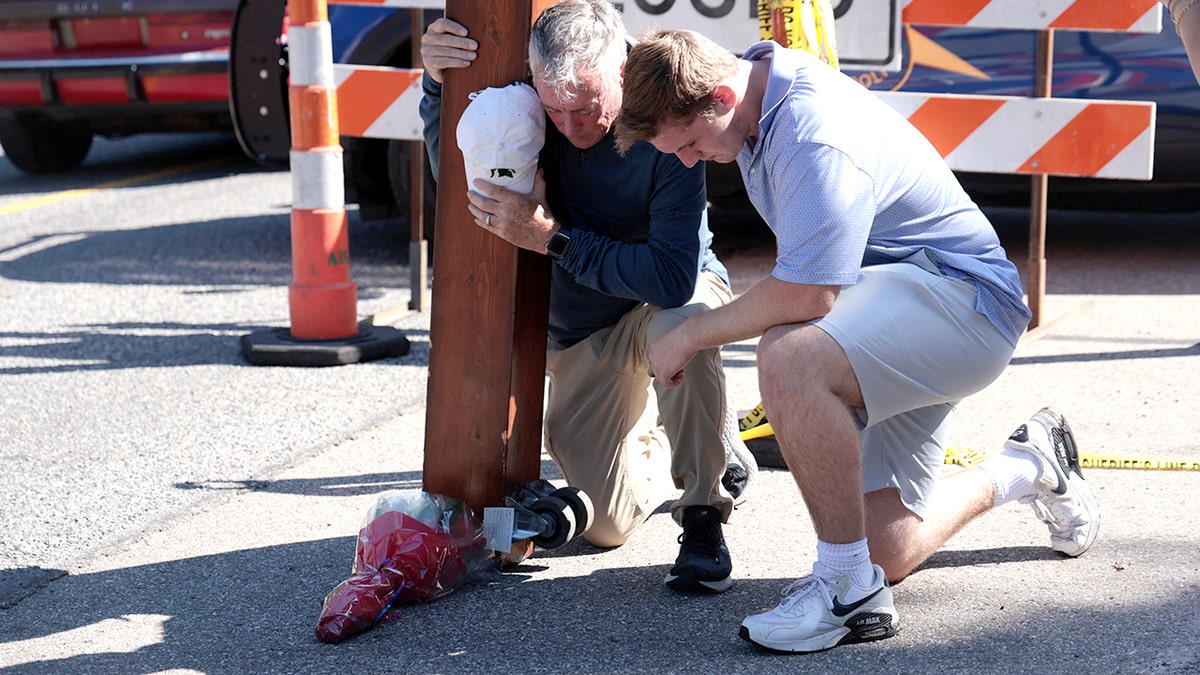
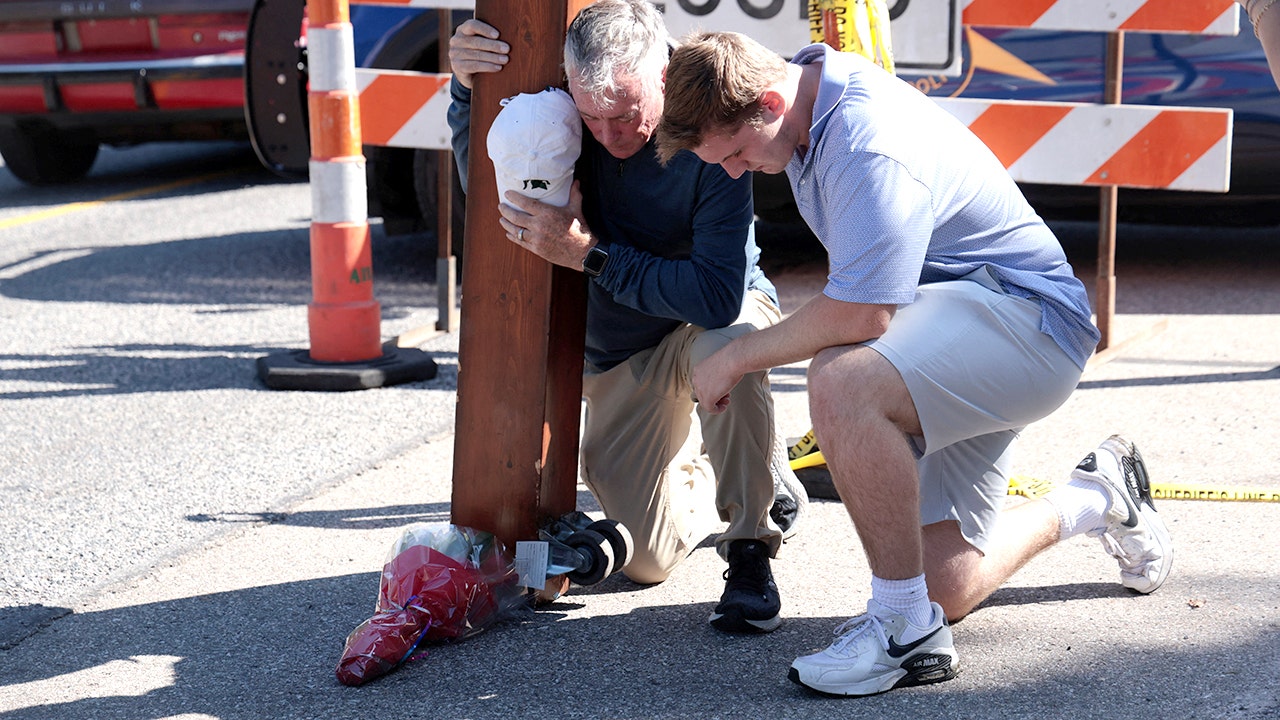
People participate in a prayer vigil near a shooting site at the Church of Jesus Christ of Latter-day Saints in Grand Blanc, Michigan, on September 29, 2025. (Reuters/Rebecca Cook)
James Alan Fox, a criminologist from Northeastern University who contributes to managing the database, noted that mass killings have decreased by approximately 24% this year compared to 2024, which itself experienced a 20% reduction from the figures in 2023.
Fox added that he’s not confident the trend will continue because the totals tend to swing sharply from year to year and that a few cases up or down can look like a big change.
“Will 2026 see a decline? I wouldn’t bet on it,” Fox told the AP. “What goes down must also go back up.”
James Densley, a professor at Metropolitan State University in Minnesota, said the drop may simply reflect the small number of mass killings recorded annually.
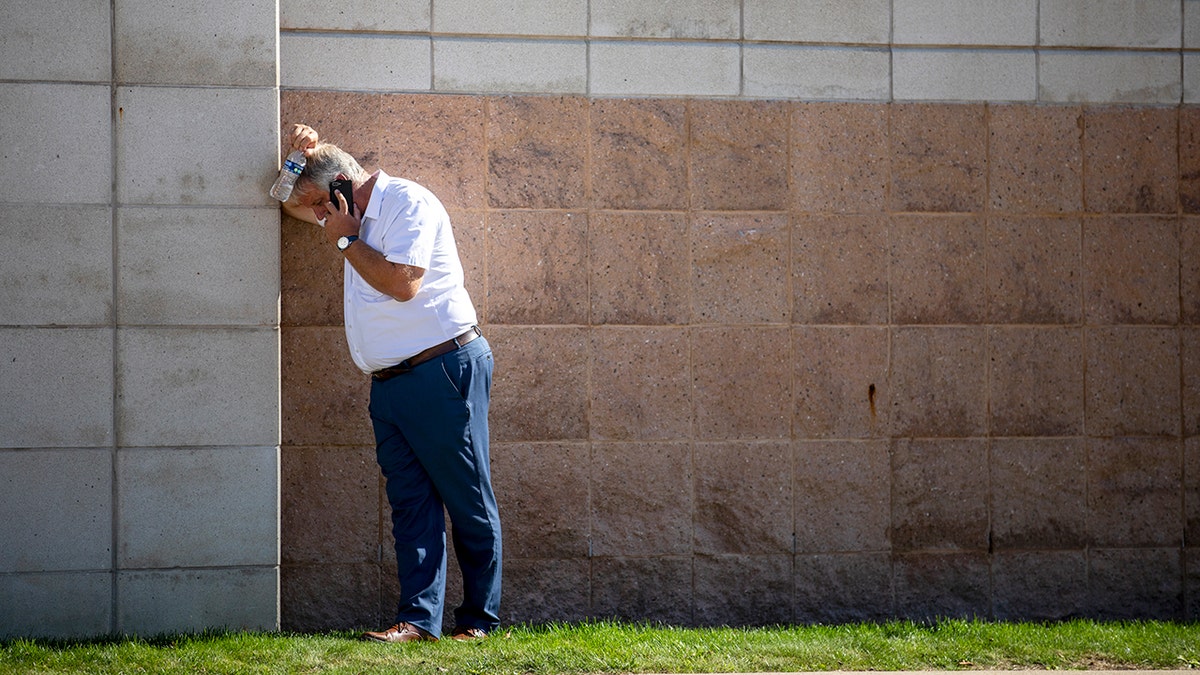
A man on his phone looks down as church members reunite at Trillium Theater across the street from the site of a shooting and fire at the Church of Jesus Christ of Latter-day Saints Sept. 28, 2025, in Grand Blanc, Mich. (Emily Elconin/Getty Images)
“Because there’s only a few dozen mass killings in a year, a small change could look like a wave or a collapse,” he told the outlet, adding, “2025 looks really good in historical context, but we can’t pretend like that means the problem is gone for good.”
Densley said the decline may also be influenced by falling homicide and violent-crime rates nationwide after COVID-19-era spikes.
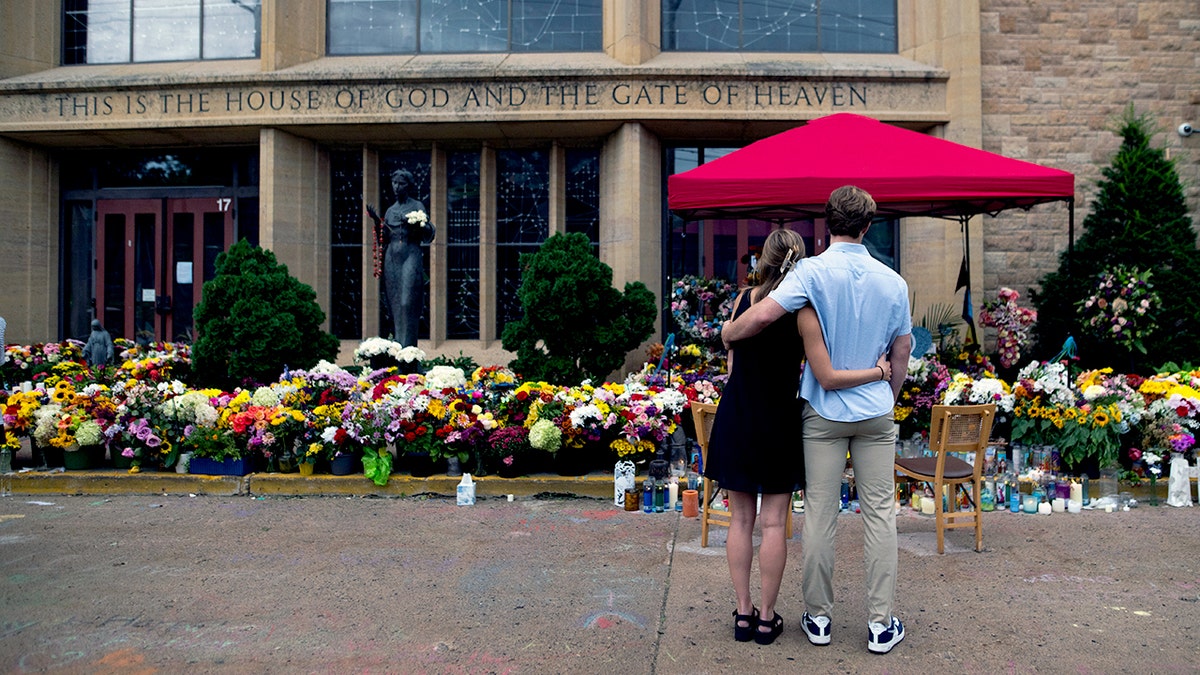
Two people stand outside the Annunciation Catholic Church in Minneapolis after a shooter killed two students and injured several others in August. (Stephen Maturen/Getty Images)
Improvements in immediate response to mass casualty events could also be contributing, he said.
He pointed to the Annunciation Catholic Church shooting in Minnesota in August in which two students died and dozens more were injured.
“The reason only two people were killed is because of the bleeding control and trauma response by the first responders,” he said. “And it happened on the doorsteps of some of the best children’s hospitals in the country.”
The most recent mass killing occurred in California last week when a child’s birthday party was shot up, killing four people, including three children.
In 2019, there were 49 mass killings recorded, the highest annual total since the database began tracking cases in 2006.