Share this @internewscast.com
Key Points
- A Korean Australian fermenter in regional Tasmania has created an “Australian kimchi” using Weet-Bix
- Sue Glynn moved from Sydney to Tasmania a decade ago and went on to establish a kimchi business
- Glynn encourages migrants to look beyond big cities and consider regional Australia as a place of opportunity
In Korea, the year 2026 is designated as the Year of the Red Horse, a concept rooted in the traditional 60-year cycle that combines Chinese zodiac signs with elements and colors.
As the Lunar New Year kicks off, the color red—symbolic of energy, renewal, and vitality—takes center stage in various celebrations, decorations, and foods. Few dishes embody this symbolism more vividly than kimchi, Korea’s beloved fermented delicacy.
In a quaint town in regional Tasmania, Korean Australian fermenter Sue Glynn is reshaping the concept of “local food.”
Glynn operates a modest kimchi business and workshop series named KimchiMe, where she crafts kimchi using organically cultivated cabbage and a surprising Australian twist—Weet-Bix.
This creation, which she dubs “Australian kimchi,” is designed to promote slow, stable fermentation and improve gut health.
More than a decade ago, Glynn relocated to Tasmania with her Australian husband after spending approximately 25 years living and working in Sydney. She sought a change of pace and aimed to avoid repeating the fast-paced urban lifestyle in her new rural environment.
“I was interested in seeing people grow their own vegetables and make their own food,” she said.
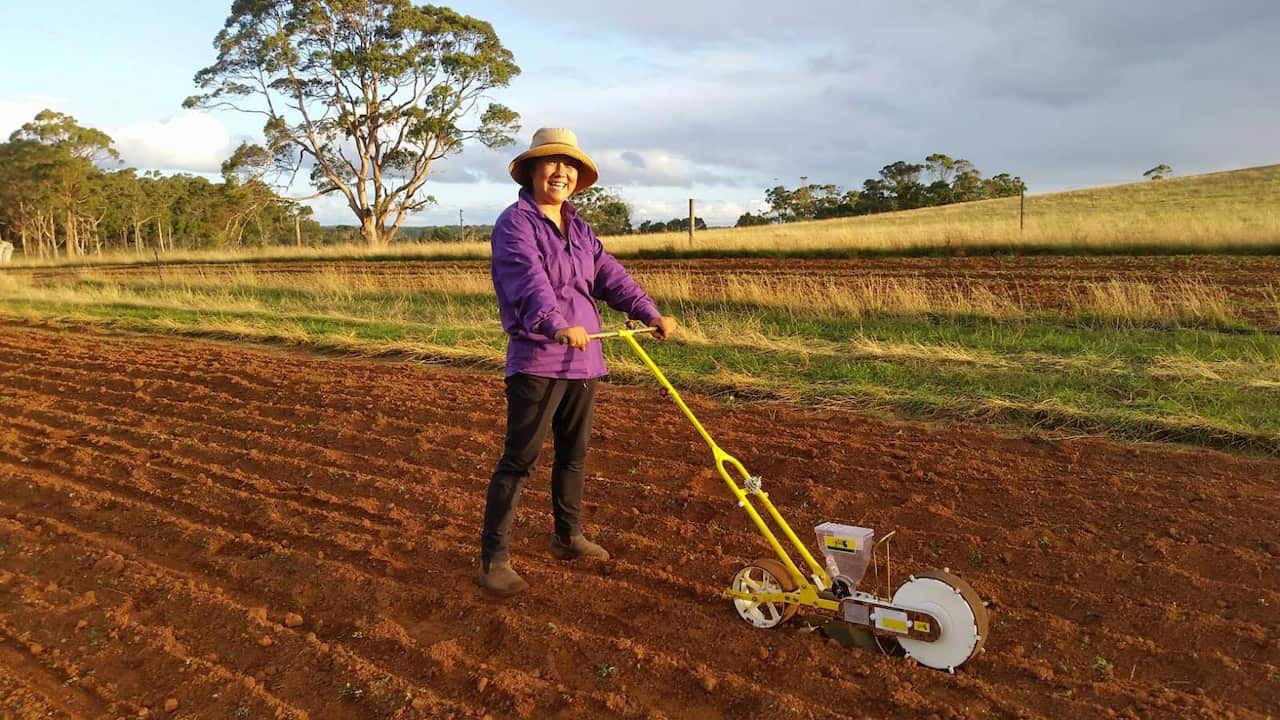
“Once, a local farmer who was very kind gave me a piece of land and said, ‘Why don’t you try growing something here?’ I really enjoyed planting seeds and watching something grow.”
Her first Tasmanian settlement was in Stanley, a small fishing town on the north-west coast with fewer than 600 residents. There, she began farming organically, growing up to 5,000 napa cabbages a year and supplying them to local markets.
While she had established herself as an organic grower, a chance encounter with locally-made kimchi in Tasmania became a turning point.
“That kimchi wasn’t the kimchi I had grown up with,” she said.
“I felt I wanted to make an authentic, genuine kimchi — something rooted in our culture — and my customers encouraged me by saying, ‘Show us your culture.’ That became my motivation.”
Glynn began making kimchi using the cabbage she grew herself. Her kimchi differs from many commercially available versions in Australia, with a lighter, cleaner flavour and less reliance on fish sauce. The style reflects family recipes passed down through generations.
“My parents came to South Korea from the North after the Korean War,” she said.
“I grew up watching my grandmother and mother make kimchi, and those North Korean family recipes stayed with me.”
What is kimchi?
Kimchi is a fermented dish typically made from vegetables such as napa cabbage, radish, spring onion and cucumber, seasoned with chilli, garlic, ginger and salt.
According to Korea’s food and drug safety ministry, there are more than 2,000 varieties of kimchi.
It’s a cornerstone of Korean cuisine — more than just a side dish, but a soul food served with almost every meal, from simple home-cooked dinners to Korean barbecue and special celebrations.
In an era when kimchi is easily bought, making it by hand remains something special for many Koreans — a way of staying connected to culture, family and tradition.
Kimchi, a new taste for Tasmanians
When Glynn first sold kimchi at Tasmanian markets, many locals were unfamiliar with it, and she often had to offer tastings to introduce people to the flavour.
Over time, as global interest in Korean culture grew through films, television dramas and K-pop, kimchi became more widely recognised.
Glynn said it has been particularly well received by people interested in health and wellbeing, drawn to its fermented nature and probiotic benefits.
“People in their 30s through to their 70s show strong interest,” she said.
“Especially those who want to improve their gut health. It’s not limited to one age group.”
Her produce and kimchi have been assessed by several Australian food awards programs, including the Royal Tasmanian Fine Food Awards, Royal Hobart, Melbourne Royal, and Australian Food Awards, where they received multiple acknowledgements for quality.
In 2022, Glynn was also named a finalist in the Australian Organic Industry Awards’ farmer of the year category.
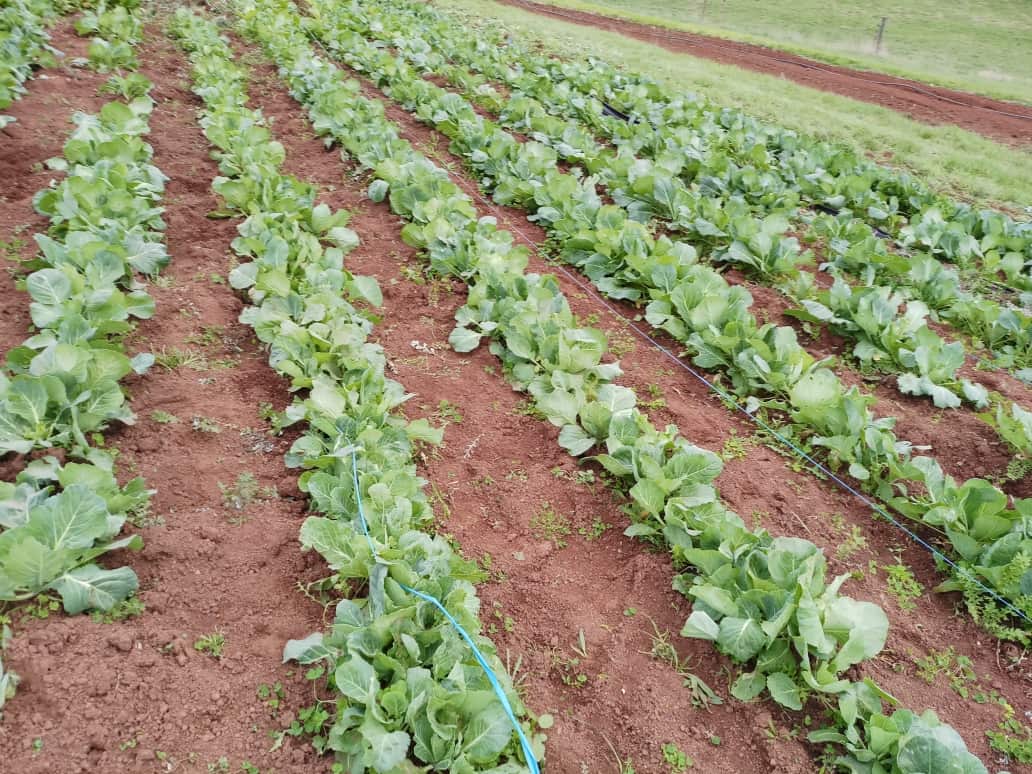
Two years ago, Glynn relocated to Evandale, around 10 minutes from Launceston airport.
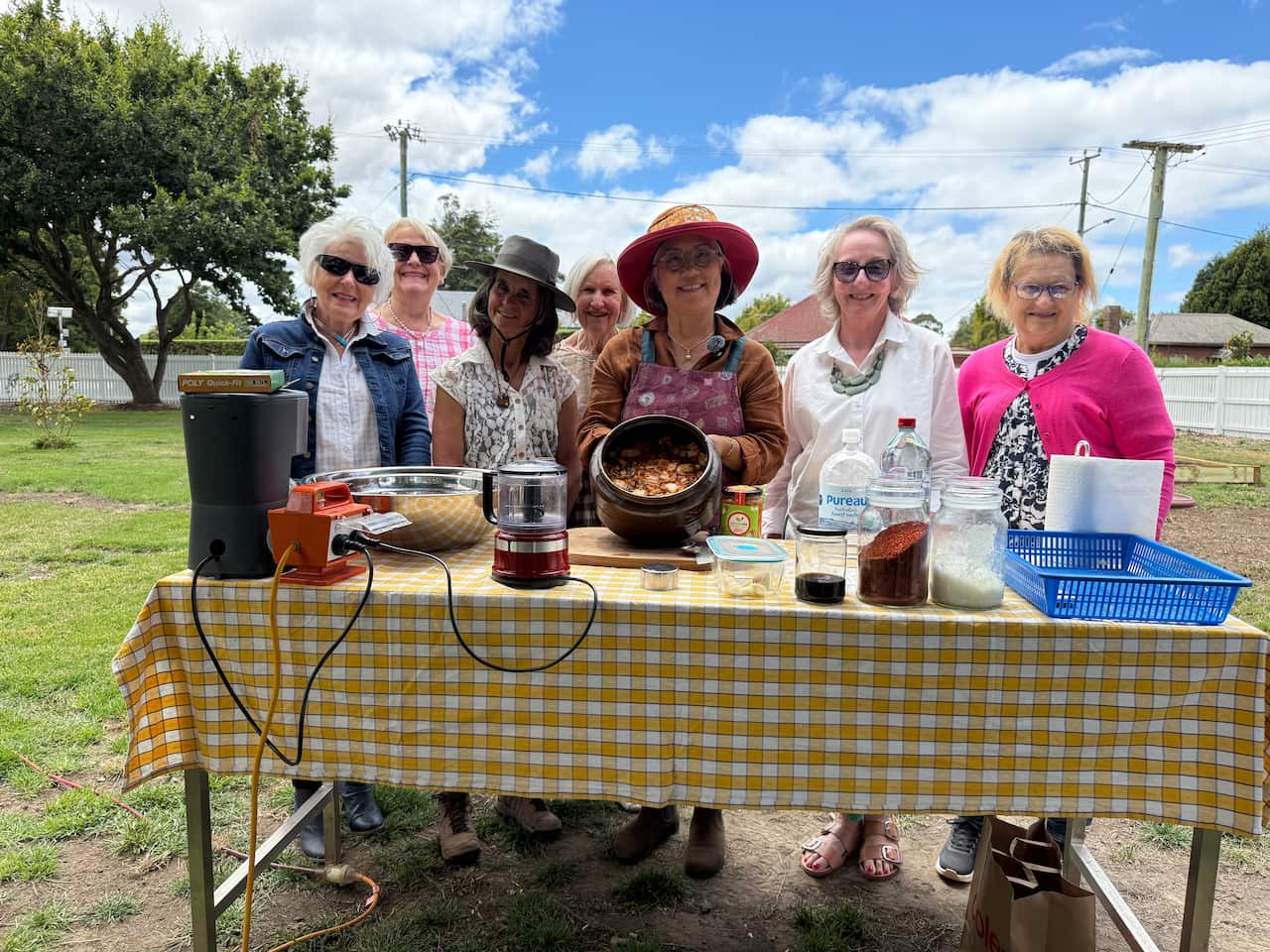
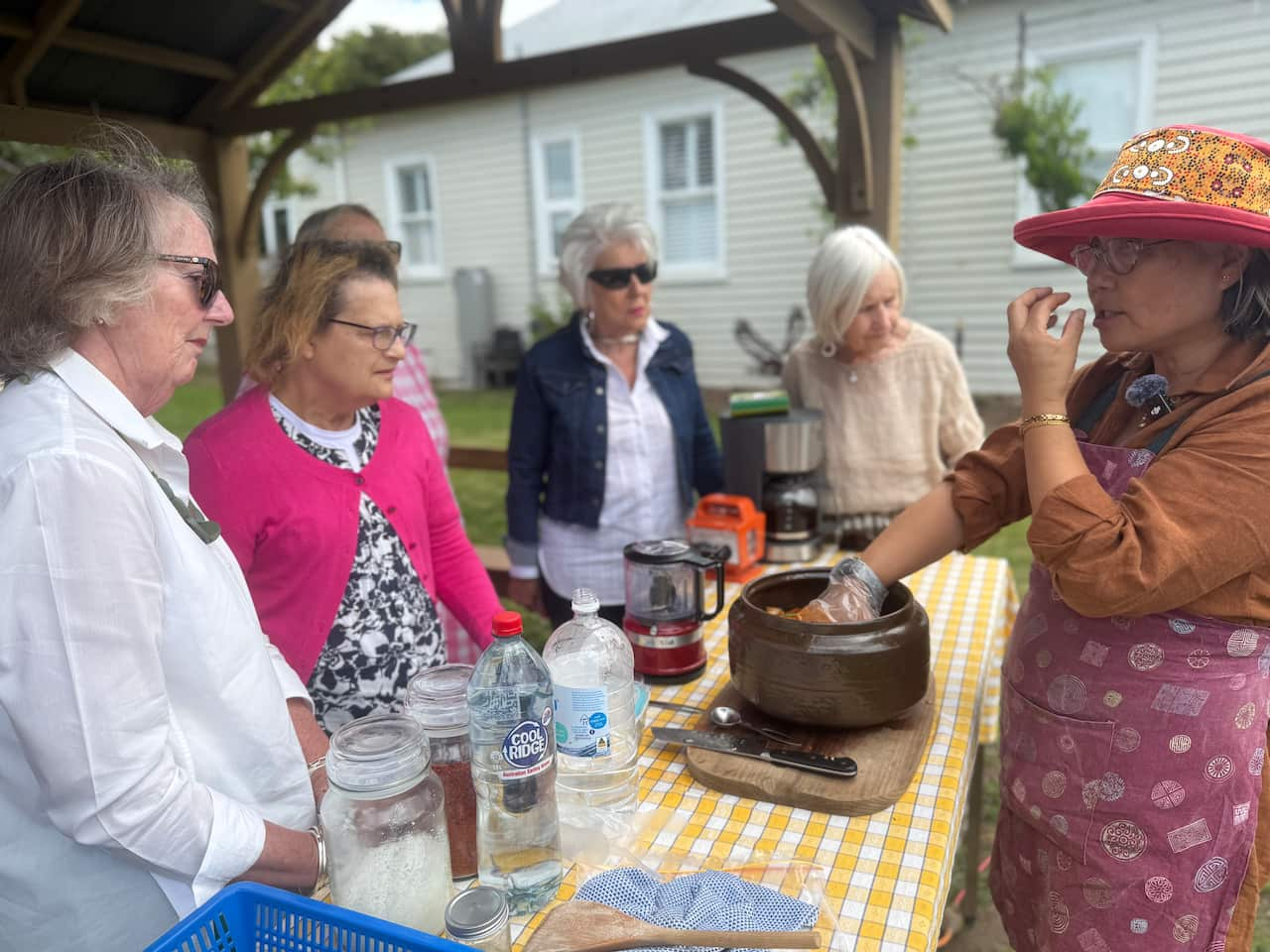
While she scaled back farming production, she shifted her focus toward people — creating more opportunities to connect, share and exchange culture through hands-on kimchi workshops.
At one workshop, local resident Clare tried kimchi for the first time. “It’s amazing — tasty, fresh, and beautifully balanced,” she said.
“It’s something completely different from anything I’ve had before. I really enjoyed it.”
Another participant, Di, said the experience made fermentation feel accessible.
“I loved using natural ingredients and knowing exactly what goes into it,” she said.
“The hands-on process was so much fun, and it was great doing it together. It makes you want to experiment more.”
A very Australian replacement
The most surprising element of the workshop was Glynn’s Weet-Bix kimchi.
“When making kimchi, Koreans usually add starch, such as glutinous rice or wheat starch, to feed the microorganisms and support fermentation,” Glynn explained.
“One morning after breakfast, I thought — Weet-Bix is also made from grain. Why not?”
By blending Weet-Bix with garlic and ginger, then mixing it with Korean chilli powder, coconut soy sauce and white peach paste, she creates a rich wet mix that coats the salt-pickled cabbage and supports fermentation — without the need to cook a separate starch.
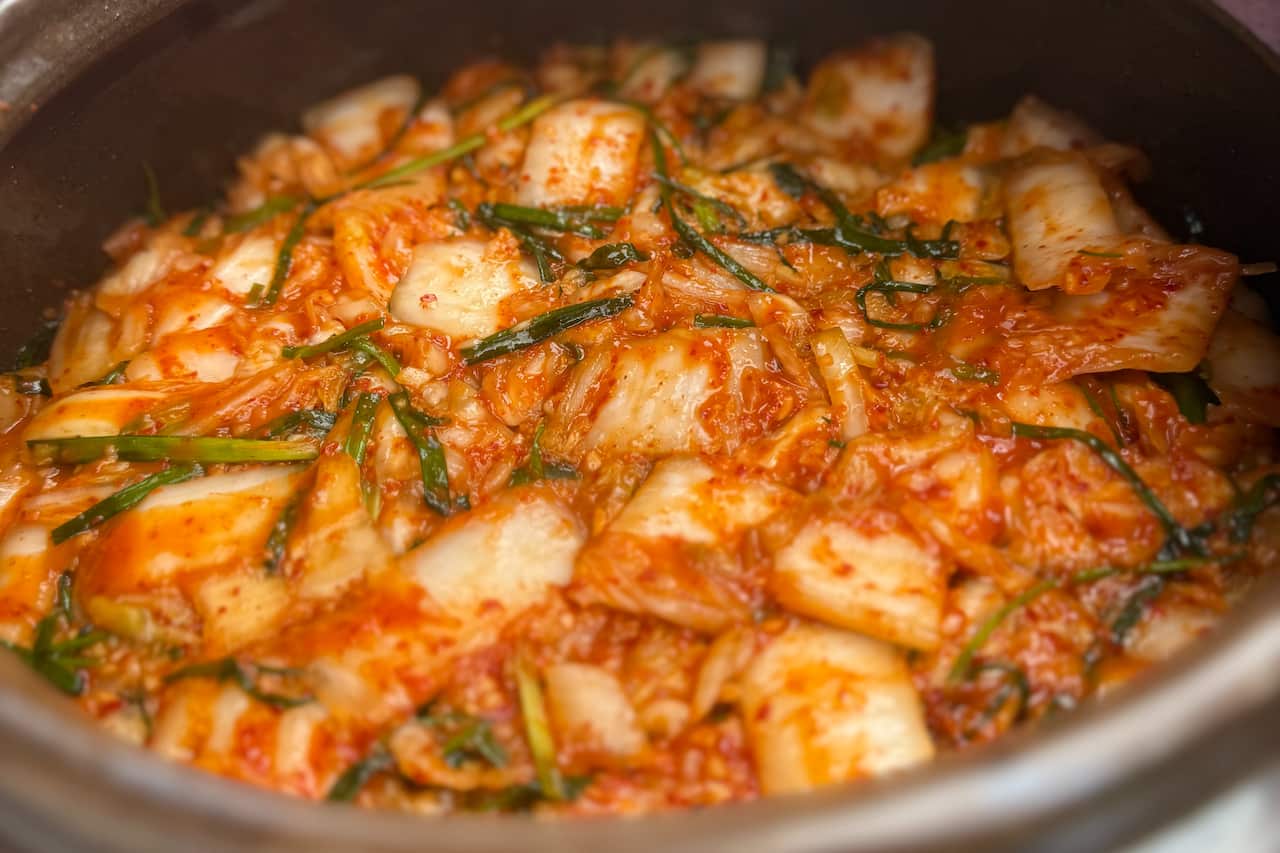
“Using Weet-Bix makes the process much simpler,” she said.
“It stabilises fermentation and helps develop flavour beautifully.”
Workshop participant Carol was intrigued by the idea.
“Using something as simple as Weet-Bix — something everyone has in their pantry — as a fermentation base is fascinating,” she said.
“It makes fermentation feel uncomplicated and approachable.”
Tassie’s future for fermentation
Glynn believes Tasmania’s cooler climate — similar to Korea’s winters — makes it particularly suitable for fermented foods like kimchi. She notes that this aligns with the Tasmanian government’s broader push to increase value-adding in agriculture and food production through fermentation.
Through collaboration with local councils, the Tasmanian government has invested $1.7 million in a 1,800-square-metre fermentation hub near Launceston, designed to support small-scale fermenters. Glynn has also participated in the project.
Tasmania’s population stands at around 570,000, with 15.3 per cent born overseas, according to the latest Census. By comparison, more than 40 per cent of Sydney’s population was born overseas.
Despite its smaller migrant population, Glynn believes regional areas like Tasmania offer genuine opportunities for migrants.
“Many migrants live within bubbles in big cities like Sydney and Melbourne,” she said.
“But if you look at Australia more broadly, there are real opportunities in regional areas.”
She points to demand in agriculture, dairy farming, beef farming and skilled trades, where labour shortages persist.
“Cities may have more jobs, but competition is fierce,” she said.
“Here, if you have skills, a strong work ethic and a positive mindset, it’s much easier to build something sustainable.”
In Evandale, Glynn’s kimchi has already found a home. Richard, a local shop owner who stocks her products, said her presence has brought new energy to the town.
“Having Sue living here, and potentially running more workshops in the future, could really shape the town,” he said.
“Who knows — Evandale could one day become the kimchi capital of Tasmania.”
In Glynn’s hands, kimchi becomes more than food — showing how migrant traditions can impact Australians all over the country.
This story was produced in collaboration with SBS Korean.
For the latest from SBS News, download our app and subscribe to our newsletter.