
A measles outbreak in London is currently impacting children under 10 who have not been vaccinated, reflecting a broader rise in infection rates around the world.
Recently, the UK was listed among six nations that lost their measles-free status, as recognized by the World Health Organization (WHO). Experts are urging governments to increase vaccination efforts swiftly to prevent further spread of the disease among children.
What is measles?
Measles is an extremely contagious viral disease that can easily transmit among those who are not fully vaccinated.
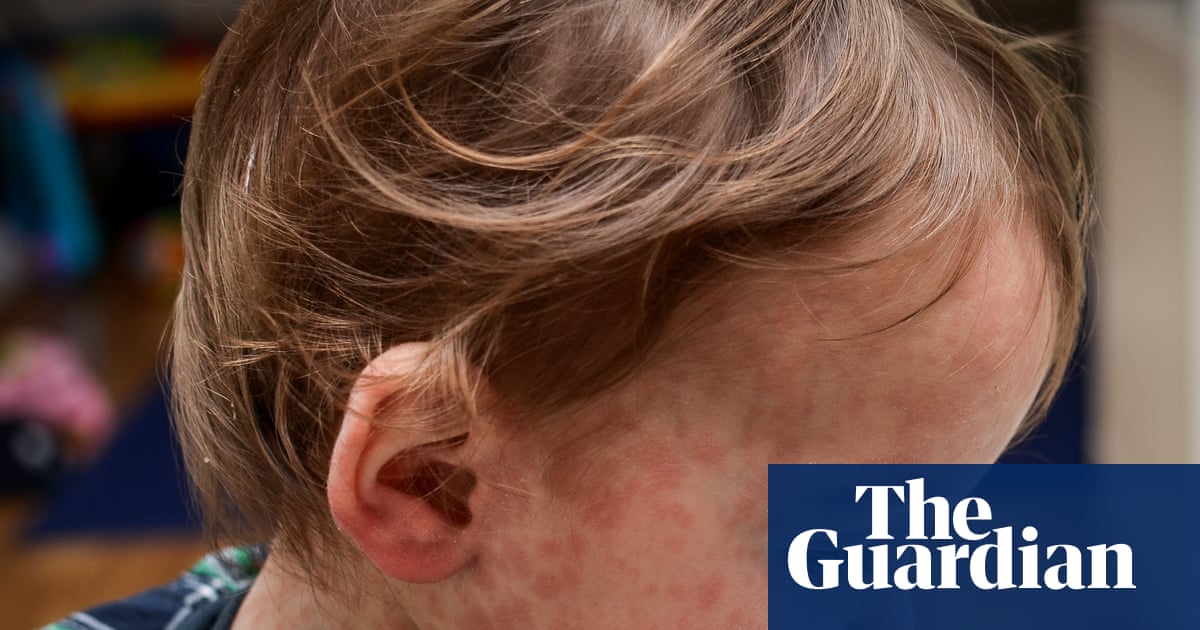
The illness typically begins with symptoms resembling a cold, followed by the appearance of a rash after a few days. This rash starts on the face and behind the ears, eventually spreading across the entire body.
The measles rash, which is generally not itchy, may form raised spots that merge into blotchy patches. Additionally, some individuals may notice small spots inside their mouth.
How does measles spread?
Measles spreads through the air when an infected individual breathes, coughs, or sneezes. A single case has the potential to lead to 18 additional infections, and nine out of ten unvaccinated individuals will contract the disease if they come into contact with it.
A person is infectious from when they first have symptoms (about four days before the rash appears) until four days after they get the rash.
Health experts recommend opening windows and doors to help reduce the risk of measles spreading, frequently washing hands with soap and warm water, and using tissues when you cough or sneeze and throwing them in the bin immediately afterwards.
Sharing cutlery, cups, towels, clothes or bedding should be avoided.
What are the risks posed by measles?
While many people recover, the illness can lead to serious complications such as pneumonia or brain inflammation. In rare cases, measles can result in long-term disability or death.
Babies and people with weakened immune systems are more at risk. Measles can also cause miscarriage or stillbirth, premature birth (before the 37th week of pregnancy), and a baby to have a low birthweight.
Despite a safe and cost-effective vaccine being available, in 2024 there were 95,000 measles deaths globally, according to the WHO. Most were unvaccinated children under the age of five.
Why are measles cases rising?
Measles is entirely avoidable with a jab but is very contagious, and so is among the first illnesses to rebound when vaccine rates decline.
Health experts say growing numbers of measles outbreaks worldwide come as people are increasingly mistrustful or sceptical of vaccines after the Covid-19 pandemic.
In January, the UK lost its measles-free status, granted by the WHO if there has been an absence of endemic cases in a country for at least 12 months. Spain, Austria, Armenia, Azerbaijan and Uzbekistan also lost their status.
Experts say this is a global challenge. Several other European nations already have regular measles transmission, including France and Romania. Canada lost its elimination status in 2025, and the US is trying to retain its status as it too grapples with a rise in infections.
How can the world keep measles at bay?
Herd immunity driven by community-wide vaccination is the only way to prevent measles, with 95% coverage the threshold, according to the WHO. This is high because measles is one of the world’s most infectious diseases, remaining contagious in the air or on surfaces for up to two hours.
In the UK, only 84% of children had the two doses needed for full protection in 2024. There were 2,911 confirmed cases in England that year, the most since 2012.
Globally, the proportion of children receiving a first dose of measles vaccine was also 84% in 2024, below the 2019 level of 86%.
How can I protect my child?
There is no treatment for measles, but two doses of a measles vaccine provide high levels of protection and help prevent further outbreaks.
Both the MMRV and MMR vaccines provide protection against measles, mumps and rubella and the MMRV vaccine also provides protection from chickenpox. The MMRV vaccine is usually offered to children when they are 12 months and 18 months old.
What are the signs and symptoms to look out for?
Symptoms of measles usually begin 10 to 14 days after exposure to the virus. A prominent rash is the most visible.
Early symptoms tend to last between four and seven days. They include a running nose, cough, red and watery eyes and small white spots inside the cheeks.
The rash begins about seven to 18 days after exposure, usually on the face and upper neck. It spreads over three days, eventually to the hands and feet. It can last up to a week before fading.