


The Reserve Bank of Australia (RBA) has emphasized the crucial role cash continues to play for many Australians, especially in regional and remote areas. In a recent statement, the RBA acknowledged the necessity of maintaining a sustainable cash distribution system and backed a proposed regulatory framework aimed at supporting providers of these services.
This new framework aims to include crisis management powers for the public sector, designed to help manage any threats to the continuity of cash distribution services across the nation. The significance of this proposal lies in its potential to safeguard the accessibility of cash, ensuring it remains a reliable option for communities that depend on it.
The RBA also pointed out proposed amendments to card systems regulations, such as those concerning interchange fees, which have been recognized for their potential to keep cash circulating efficiently across Australia. This focus is part of a broader effort to adapt to changes in how payments are processed while maintaining the stability of cash access.
Furthermore, the RBA expressed its support for industry-driven initiatives aimed at bolstering the resilience and contingency plans of the payment systems. These efforts are crucial in meeting the high standards of reliability that Australians expect from their financial systems.
To further explore the regulatory measures needed to uphold these standards, a consultation paper detailing potential actions is set to be released this month. This document will likely provide more insights into the future of cash distribution and its integration with evolving payment technologies.
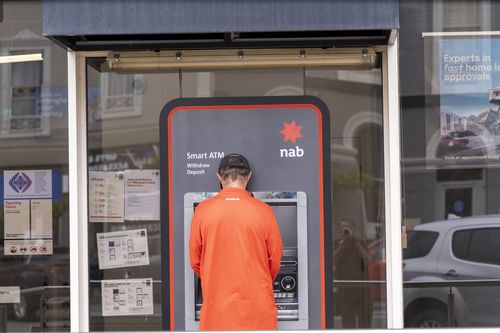
A consultation paper on regulatory action is scheduled for publication this month.
Swinburne finance expertâ¯Professorâ¯Steveâ¯Worthingtonâ¯said he welcomed the RBA’s position, adding that Australians have the right to avoid credit card surcharges by using legal tender.
He also suggested the RBA “take over” the distribution of cash and run it as a public service.
“They could also assist in the creation of jointly owned distribution organisation by involving the major banks as operators of this service,” Worthington said.
“This could run like The Link in the UK, who run the Link ATM network and distribute cash to every corner of the UK.”
A recent Reserve Bank survey found consumer payments made in cash have fallen from about 70 per cent in 2007 to just 13 per cent in 2022.
Under the nine-page draft published in October, grocery and fuel retailers must accept up to $500 in cash payments.
The bigger grocery and fuel retailers that are captured under the mandate can still, however, be granted an exemption if they can prove an exceptional circumstance. 
NEVER MISS A STORY: Get your breaking news and exclusive stories first by following us across all platforms.


