

This Friday, a U.S. judge is set to convene a private meeting with government attorneys to discuss the process of refunding up to $166 billion in tariffs that were unlawfully collected. This meeting, referred to by a court official as a “settlement conference,” aims to address the logistics of these repayments.
Judge Richard Eaton from the U.S. Court of International Trade will be conferring with lawyers from the customs agency tasked with reimbursing over 300,000 importers. These tariffs were deemed unconstitutional in a recent legal decision, necessitating the refunds.
Just as the meeting was about to commence, a senior customs official informed the court that their agency was unable to fulfill the judge’s earlier instruction to generate automatic tariff refunds using the current system.
Many businesses have expressed concerns, anticipating that the refund process could take several months or even years to complete.
While U.S. court proceedings are generally open to the public, judges occasionally hold private discussions to address scheduling matters or to manage sensitive information.
The court’s online calendar lists Friday’s meeting as a “closed conference.” When inquired about the private nature of the meeting, Gina Justice, the trade court’s clerk, explained to Reuters on Thursday that it is a “settlement conference.”
Creating a refund process
The case that Eaton is overseeing to create a refund process was brought by a single importer, Atmus Filtration, which said in a court filing it had paid $11 million in illegal tariffs.
Atmus’ lawyers will be able to attend Friday’s meeting remotely, according to the court docket. They and the agency, US Customs and Border Protection (CBP), did not respond to requests for comment.
It is unclear why the Atmus case, which was filed last week, became the vehicle that may determine how to litigate the tariff refunds for around 2,000 cases.
The judge, who said he was chosen by the court to hear those cases, said he wanted a process that would not require going to court.
Eaton issued a sweeping order on Wednesday in the Atmus case directing the CBP to begin refunding illegally collected tariffs to potentially hundreds of thousands of importers using the agency’s existing internal process. The order made clear that it applied to all importers, not just Atmus.
However, in a Friday court filing, Brandon Lord, a top CBP official, said his agency couldn’t meet the judge’s demand. “CBP is now facing an unprecedented volume of refunds. Its existing administrative procedures and technology are not well-suited to a task of this scale and will require manual work that will prevent personnel from fully carrying out the agency’s trade enforcement mission,” Lord said in the court filing.
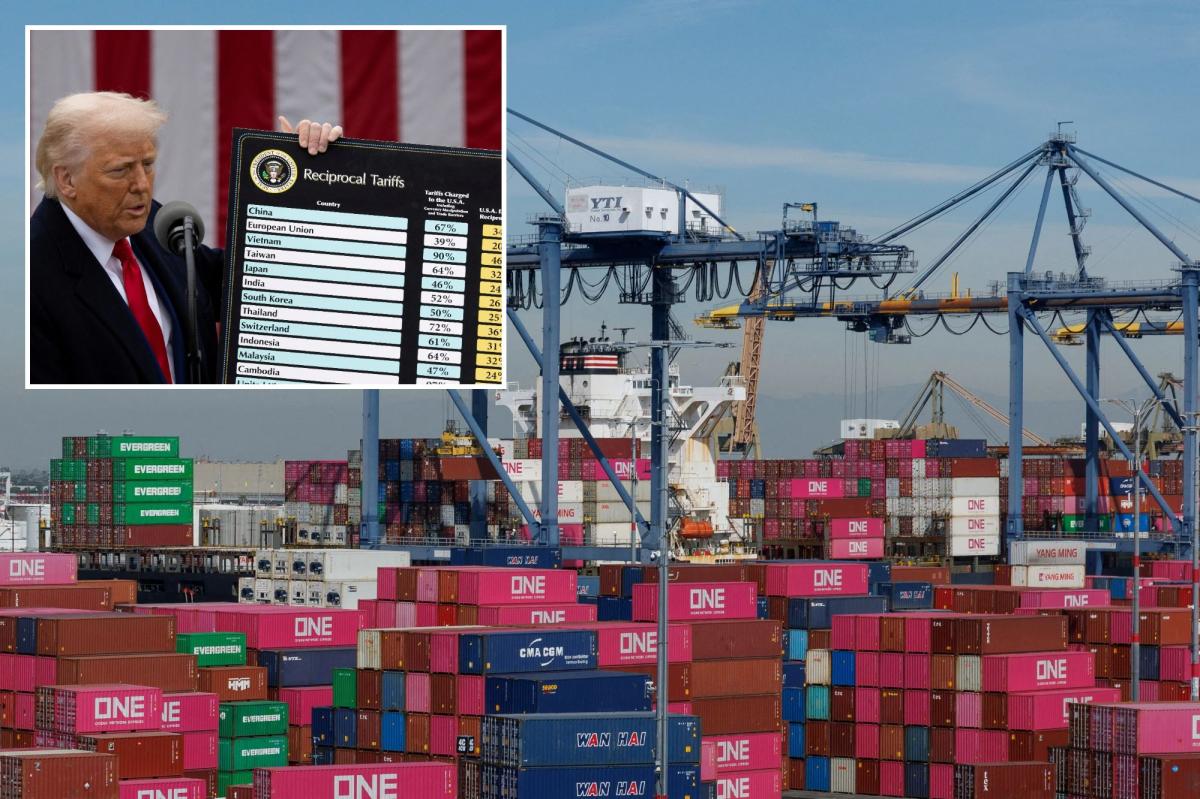
He said 330,000 importers had paid $166 billion in tariffs on 53 million shipments.
Tariffs ruled illegal in February
A broad swath of Trump’s tariffs was struck down by the US Supreme Court, which ruled on Feb. 20 that Trump had exceeded his authority, upending a key plank of his economic policy. The court did not provide guidance on refunds, a process that dissenting Justice Brett Kavanaugh warned could be a “mess.”
The vast majority of importers are small businesses, and many worry that the refund process will be costly and distracting.
Eaton said he expected CBP lawyers to attend Friday’s meeting, which he called a conference, to resolve how to cut through paperwork and issue refunds.
“I don’t believe that any of this has to be chaotic with respect to anybody, because I know that you’re going to try to come up with a way of doing it,” Eaton said at Wednesday’s hearing. “And so on Friday, we’re going to hear at least the initial ideas from the customs service as to how this will proceed.”