Share this @internewscast.com
Insight is posing a critical question to students, families, politicians, protesters, and academics: Have we lost the art of healthy disagreement? Tune in to Death of Debate on Tuesday, March 10, at 8:30 pm on SBS or stream it on SBS On Demand.
Last year, Sonja Lowen, the chairperson of Debate South Australia, sparked controversy when she selected the topic ‘The trad-wife movement is good for women’ for a school debate. The backlash was unexpected.
The topic did not sit well with some parents, and the debate quickly captured international attention, leaving Lowen feeling exasperated.
Lowen believes the essence of debate is to explore diverse perspectives, but she feels that discussions are often prematurely labeled as offensive.
She observes that once a community adopts a stance on an issue, “there is no room left for opposing viewpoints.”
“It’s almost as if the matter is considered resolved, and further discussion is off the table,” Lowen shared with Insight.
Sonja says this mindset goes against what she’s trying to promote in her work as an adjudicator.
“The whole idea of a debate is that it’s an intellectual exercise, and it’s good to be able to look at the affirmative and negative case.”
Are some debates harmful?
But others, such as Hannah Murray, who coordinates a Reconciliation Action Plan to advance First Nations relationships for a Sydney-based hospital, believe that some debate can be harmful.
She says that public discourse surrounding certain topics, such as trans rights, the 2017 marriage equality plebiscite or the Voice referendum, can encourage debate from many people who don’t have relevant experience.
“Anytime we talk about a population that people maybe aren’t engaging with … and people are given platforms to discuss it without having any connection to that community, has potential to be hugely harmful to the human beings that are behind the debate,” she told Insight.
‘Cultural safety is a right’
Gamilaroi man Clinton Schulz says he and his family were deeply affected by the 2023 Indigenous Voice to Parliament referendum — and the debate leading up to it.
“[The Voice debate wasn’t] considering the social, emotional wellbeing toll, the mental load that was being put on all Aboriginal and Torres Strait Islander peoples.”
He believes that the public discourse “quickly lost sight of being about the topic and the context … And, in that, lost sight of the humanity”.
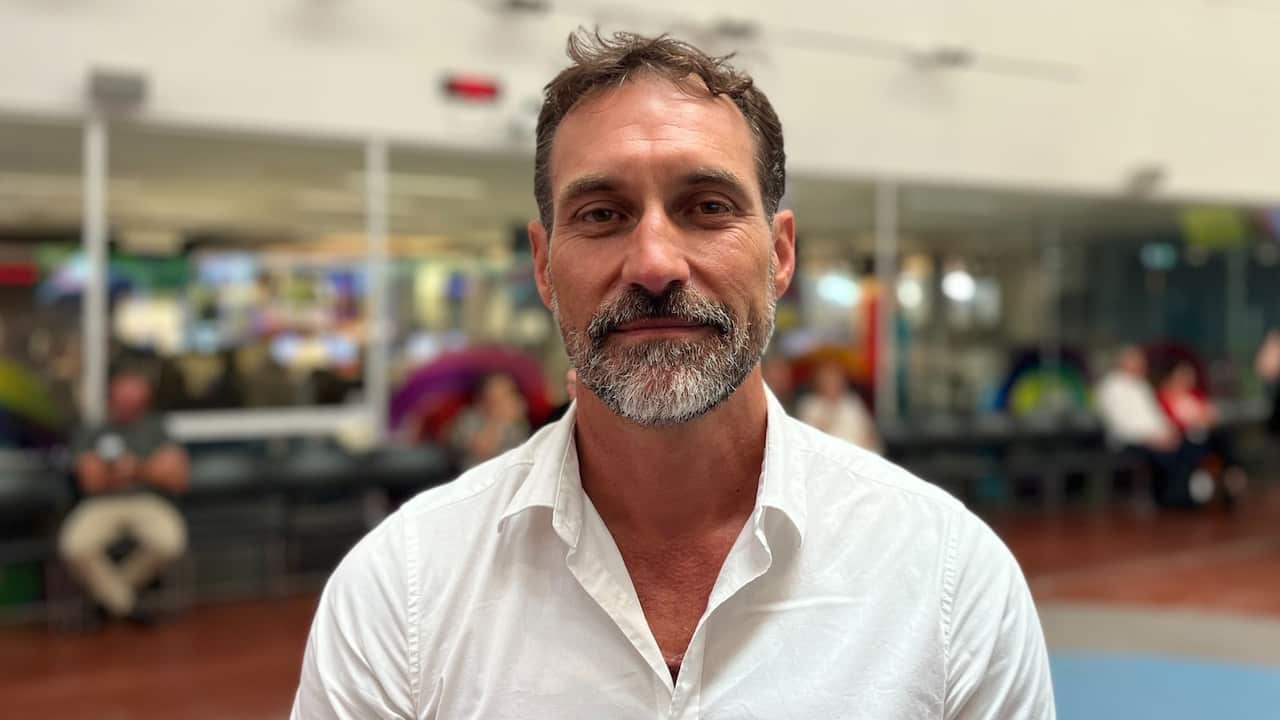
Clinton, who leads The Black Dog Institute’s Aboriginal and Torres Strait Islander strategy, says that cultural safety is a right, and people should be able to feel culturally safe in debate.
“It’s a right for everybody to experience. It’s no different to … notions of physical safety, psychological safety,” he said.
Clinton says that discussions surrounding the referendum tested some of his long-held friendships, as “[his friends’] inability to listen to and engage with a different point of view became very apparent”.
“Since that period of time, there have definitely been people that I grew up with — that I was friends with — that I choose not to spend time with anymore.”
What is cultural safety?
The term “cultural safety” has become more frequently used in Australia within the past decade.
SafeWork NSW defines the concept as being “about creating a workplace where everyone can examine our own cultural identities and attitudes and be open-minded and flexible in our attitudes towards people from cultures other than our own”.
Its origin stems back to the 1980s, when Māori healthcare workers and educators in New Zealand sought to differentiate cultural needs from those of the dominant, Eurocentric system.
‘A non-violent means of settling dispute’
But some people like Jack Ayoub, who is Indigenous, claim the concept of cultural safety can stifle debate and curtail free speech.
“I have a real problem with [cultural safety] as a concept being applied to all spaces,” he told Insight.
He doesn’t believe that debate is harmful and believes that the concept of speaking freely was meant to be a “non-violent means of settling dispute”.
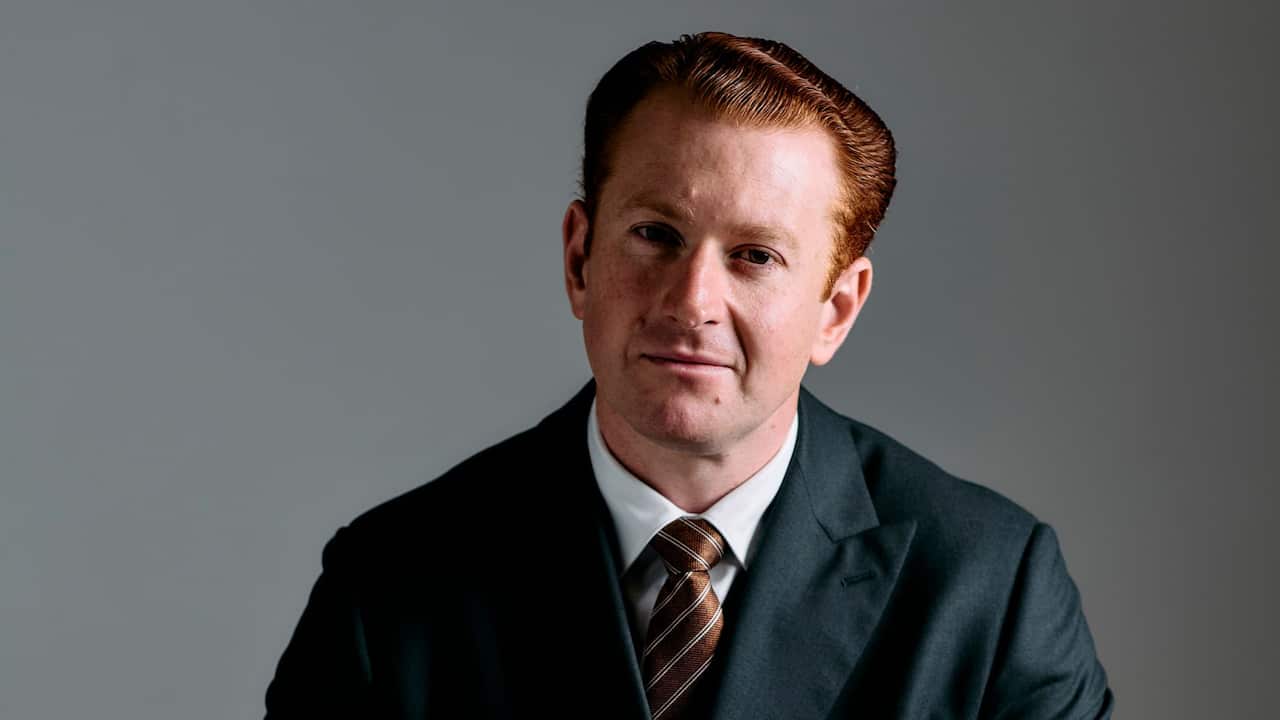
In January 2026 the federal government introduced a new hate speech offence and tightened existing ones with the aim of combatting antisemitism, hate and extremism in Australia following the Bondi Beach shooting in December.
Jack believes recent “hate speech” legislation potentially reduces our personal responsibility.
“You’re trying to create a system so perfect that people aren’t required to be good,” he said.
“We don’t have free speech, on the basis that the law intervenes and abdicates from us our responsibility to keep our own public square clean.”
What informs what we can and cannot say?
Peter Ellerton is a senior lecturer in philosophy at the University of Queensland who says that in addition to legislation, social norms help determine what we can and cannot say in debate.
What someone considers a norm is often informed by their individual cultural context, which can include their experiences at school, at home, in the community and in religious groups.
“Because of that variety, it’s very difficult to say that there is a set of cultural norms in Australia,” Ellerton told Insight.
“We try and make sense of all that in some ways, by sometimes appealing to legislating and saying, ‘well, how do we say this in a law that can reflect all of these contexts and nuances?’”
Ellerton believes that a diverse range of views from different identities is key to an effective debate.
“The more diversity in a group under certain conditions, the better the quality of the reasoning and the decisions we make.”
‘I don’t think that’s a big ask’
Like Ellerton, Hannah acknowledges the importance of having diverse voices present in debate.
She says those without lived experience of whatever topic is being discussed should educate themselves to become informed.
“If the hardest part of your life as a privileged person in this country is to actually read and learn and listen, I don’t think that’s a big ask of people.”
Watch your favourite Insight episodes around the clock on SBS On Demand’s dedicated Insight channel. For the latest from SBS News, download our app and subscribe to our newsletter.