
In brief
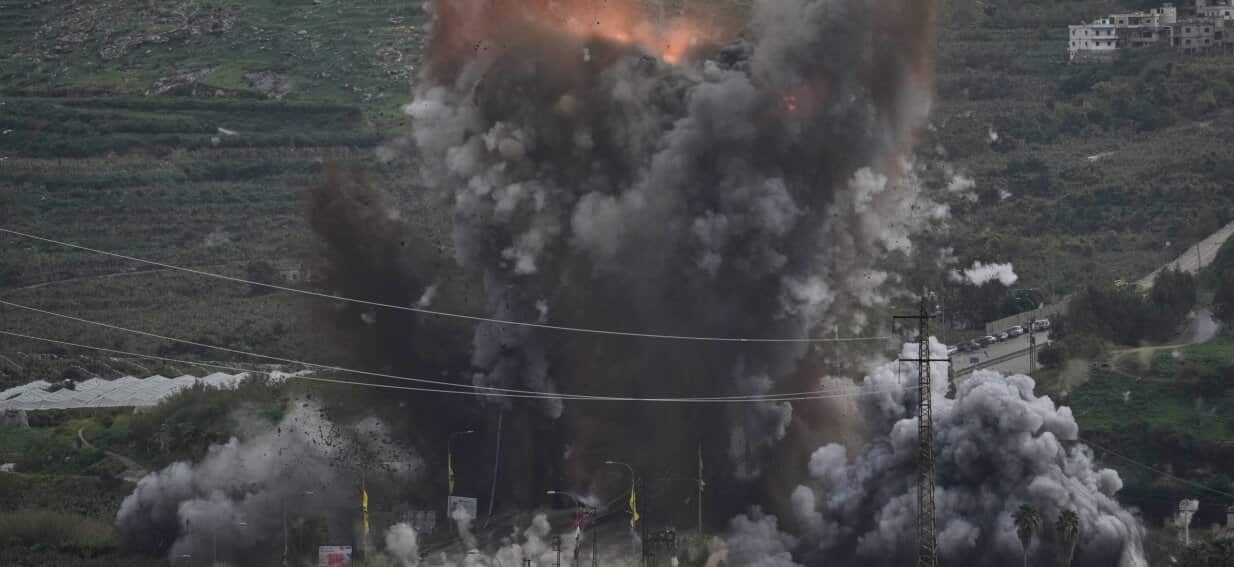
- An Israeli strike has pulverised one of the main routes linking southern and central Lebanon.
- Israel has ordered its military to destroy all Litani River crossings and step up the demolition of homes in Lebanon.
- International law generally prohibits militaries from attacking civilian infrastructure.
In a significant escalation of its military operations in Lebanon, Israel has targeted a crucial bridge connecting the southern part of the country to its central regions. This action comes as part of a broader directive to obliterate all crossings over the Litani River and intensify the demolition of residential structures near the southern border.
The bridge’s destruction on Sunday underscores the intensifying nature of Israel’s military engagement in Lebanon. The situation has been tense since March 2, when Hezbollah, an armed group, initiated hostilities by launching attacks into Israeli territory, pulling Lebanon into the broader regional conflict.
International law typically restricts military forces from targeting civilian infrastructure. This principle has been underscored by criticism from the United Nations human rights chief, who has voiced concerns over Israel’s actions in Lebanon, particularly the extensive evacuation orders issued to civilians.
The bridge, located on Lebanon’s coastal highway, was a vital link running through agricultural areas, connecting the southern and central parts of the country. Its destruction represents a severe blow to Lebanon’s infrastructure and mobility.
An Israeli military spokesperson had previously announced intentions to target the bridge earlier on Sunday, confirming the operation’s strategic objectives.
The ongoing Israeli strikes have resulted in the loss of more than 1,000 lives in Lebanon, including nearly 120 children, 80 women, and 40 medical personnel, according to Lebanon’s health ministry. The Lebanese government has not provided separate figures distinguishing between civilian and militant casualties, highlighting the complexity and human cost of the conflict.
Earlier, an Israeli was killed in his car near the border with Lebanon after what the military described as a “launch” from Lebanese territory. It was the first Israeli civilian death linked to fire from Lebanon in the current war. Two Israeli soldiers have also been killed in fighting in southern Lebanon.
Israeli defence minister Israel Katz said on Sunday that the military had been ordered to destroy all bridges over the Litani River used for “terrorist activity,” to prevent Hezbollah militants and weapons from moving south.
The Israeli military had already destroyed three bridges in southern Lebanon in the last 10 days.
Katz also said the military was ordered to accelerate the demolition of Lebanese homes in “frontline villages” to neutralise threats to Israeli communities.
He described the approach as similar to the model used in Beit Hanoun and Rafah in Gaza, where the military created buffer zones by clearing and demolishing buildings near the border.
Ramzi Kaiss, Lebanon researcher at Human Rights Watch, said that international law requires armed actors to take into account the civilian harm caused by strikes on infrastructure like bridges, even if the targets were being used for military purposes.
“If all these bridges are struck, and the region that is south of the Litani becomes isolated from the rest of the country, then the civilian harm is going to be so immense that you have a humanitarian catastrophe as people still living in the south won’t be able to access food, medicine and other basic needs,” Kaiss said.
Destroying homes in southern Lebanon wholesale would amount to wanton destruction, which is a war crime, he added.
The Israeli military says its troops are carrying out what it describes as ground manoeuvres and targeted raids on Hezbollah militants and weapons stores in southern Lebanon. Israeli officials say the air and ground campaigns are aimed at protecting residents in northern Israel near the Lebanese border from Hezbollah attacks.
For the latest from SBS News, download our app and subscribe to our newsletter.


