
In a dramatic twist, a beloved California restaurant had to pull its renowned ‘stinky’ dish from the menu due to complaints about its overpowering aroma. Yet, the restaurant is determined to stand its ground.
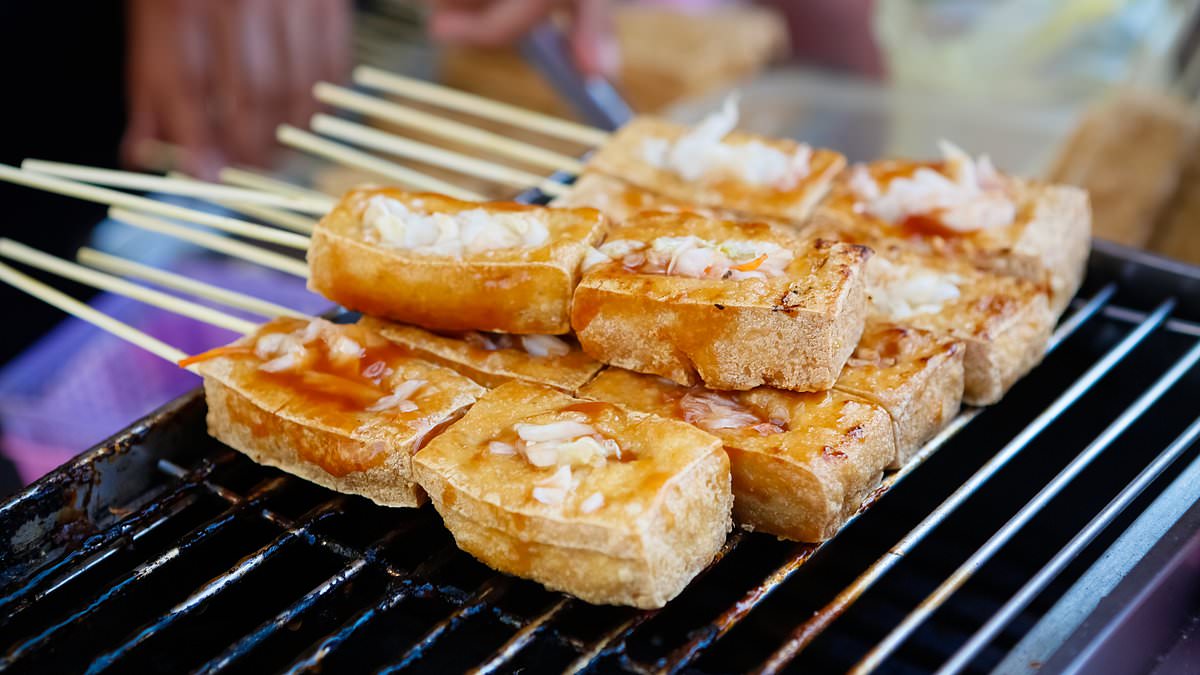
The Golden Leaf, located in San Gabriel, California, was celebrated for its stinky tofu, a favorite among aficionados of Taiwanese street cuisine. Known for its distinctive and pungent smell, comparable to strong blue cheese or kimchi, this deep-fried delicacy has been a crowd pleaser.
However, the dish’s potent aroma led to its removal after the restaurant was hit with multiple citations and violation notices from the city, as reported by the LA Times.
The controversy began back in 2017 when a neighboring resident found the smell unbearable and began lodging frequent complaints. Despite this, owner David Liao noted that other patrons never mentioned any issues with the scent.
In an effort to discover whether this was a widespread concern, Liao’s family took to the nearby streets, gauging the air for any trace of their infamous dish. They even queried a local beauty salon and other businesses to see if they detected the notorious aroma.
Trying to get to the bottom of whether this was an issue shared by residents, Liao’s family began walking the residential streets nearby to see if there were any signs of lingering stinky tofu, and even went so far as to ask a nearby beauty salon and other businesses if they smelled it.
‘If our commercial neighbors complained to us that it’s affecting their business, then we would understand,’ said Liao. ‘But no one ever has.’
Despite their diligence, city officials arrived at their doorstep – demanding they either mitigate the smell or cease making the traditional dish, which is a staple of Taiwanese night markets and an ‘invitation to community and tradition’ for curious residents.

The Golden Leaf’s prized stinky tofu was axed after a neighbor complained to the city that the smell was wafting into their residence

Owner David Liao has been fighting since 2017 to bring back the dish on the menu and said none of the business owners nearby said the were bothered by the smell

The traditional dish was removed from the menu after the restaurant received multiple citations and violation notices from the city
The dish, known as chou doufu in Chinese, is ‘a cherished taste of home and a source of cultural pride,’ he said.
In total, the health department, fire department and a city official all arrived to deliver the devastating news.
Not only would it affect the restaurant’s attempt to share tradition, but the dish also accounted for 10 to 20 percent of their revenue, so they continued to sell it.
But the nail in the coffin came in 2017, when the restaurant received a city notice citing a municipal code violation for emitting odors deemed a public nuisance.
Along with the notice came the threat of fines that could cost the family up to $1000, leading to the axing of the iconic dish.
It wasn’t until 2025 that Liao tried to revive the dish, launching a stinky tofu newsletter to alert customers to occasional weekly drops at the restaurant.
The move was a welcome surprise for Los Angeles County residents, home to the largest Taiwanese population in the US; in San Gabriel, about 41 percent of residents are Chinese or Taiwanese.
But once the nosy neighbor caught wind of this, they immediately launched their phone campaign again, calling so much that she managed to block the restaurant’s phone line, preventing customers from placing orders.

Stinky tofu is an iconic Taiwanese food often sold in night markets and deep fried. It’s known for its pungent aroma which is often compared to extra-funky blue cheese or kimchi

City councilmember John Wu, who spoke to Liao at the restaurant about the complaint, said the issue could be fixed with a better filtration system
Then, three months after the first newsletter, the restaurant received its second notice from the city, informing them that they had once again violated an ‘odors’ code.
When the LA Times asked the city how it decides when an odor qualifies as a nuisance, the city’s community development director, David Sanchez, said odors that drift beyond a property and cause discomfort can be considered violations under the city’s municipal code.
In November 2025, the restaurant officially removed the dish from the menu for the second time, and Liao disclosed that he had already paid more than $1000 in fines.
In response, he launched a Change.org petition and garnered more than 1,000 signatures from supporters all over Southern California.
‘This ban isn’t about public health or quality of life – it’s about whose culture is allowed to exist in public,’ read one comment.
‘Stinky tofu is an iconic Taiwanese food, and targeting it sends a clear message to Taiwanese Americans that our traditions are unacceptable.’
City councilmember John Wu, who spoke to Liao at the restaurant about the complaint, said the issue could be fixed with a better filtration system, citing a similar situation with a nearby coffee shop that followed suit with the suggestion.
But Liao said upgrading equipment could cost hundreds of thousands of dollars, with a ventless fryer priced between $20,000 and $50,000 and a specialized filter quoted at around $100,000.
Relocating the restaurant also isn’t an option for the family.
‘With all these options, I was looking for a guarantee,’ said Liao. ‘We were willing to work with the city, but they couldn’t put anything in writing, and we don’t have the money to just invest and see if it works.’