The concept may seem like a scene from a sci-fi film today, but NASA envisions establishing a permanent, city-sized lunar base within the next six years.
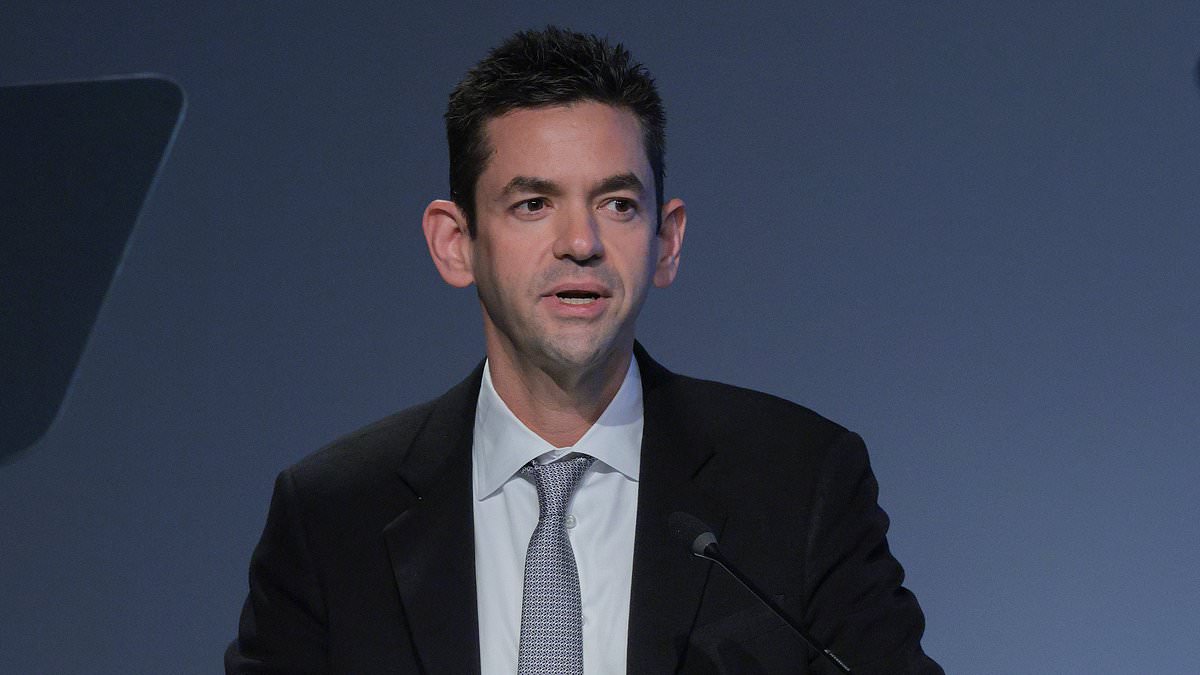
On Tuesday, NASA Administrator Jared Isaacman revealed plans for three missions to the Moon, all scheduled for this year.
“America is returning to the Moon,” Isaacman declared. “And this time, we’re here to stay.”
Nearly 54 years after the final Apollo mission touched down on the lunar surface in December 1972, Isaacman emphasized the United States’ goal of returning, constructing a lunar base, and maintaining a continuous presence on the Moon.
This ambitious project aims to cover hundreds of square miles on the Moon, where environmental temperatures can soar above 480 degrees Fahrenheit or plummet to -1200 degrees.
Addressing the challenge of building in such extreme conditions, Isaacman described the lunar base as “a marvel of beauty amid hostility.”
‘People are looking up again, believing in big things again and paying attention to the moon again,’ Isaacman continued.
‘What we are embarking upon is extremely challenging. We know so little from what is a combined 80 hours of lunar astronaut EVA time across the Apollo missions half a century ago.’
The base, which will be powered by nuclear and solar energy, is expected to cost more than $20million.
NASA administrator Jared Isaacman announced on Tuesday that three Moon-base missions are set to take place this year with hopes of permanent settlers in just six years
The base would cover hundreds of square miles in an environment where temperatures can range from more than 480 degrees Fahrenheit to minus -1200 degrees
The first mission, which will continue until 2028, involves more missions to the Moon and achieving ‘high-rate, reliable surface access’. There will be 21 landings as scientists conduct research and lay the groundwork for the base
‘Moon base will be home base for our Artemis crew and will encompass long-duration stays, expanded robotic and human capabilities and an enduring presence on the lunar surface,’ Dr Lori Glaze said on Tuesday.
‘With Moon Base, Artemis astronauts will stay longer, explore farther, and conduct the kinds of science that advance exploration itself, understanding how humans operate off-world, how we build infrastructure, and how we prepare for Mars.’
NASA has been accelerating its lunar program – which is itself a stepping stone to the agency’s ultimate goal of sending crews to live on Mars – and the latest plans come a month after four astronauts on the Artemis II craft achieved record feats during their ten-day mission, notably travelling deeper into space than any human had gone before.
The space agency has plotted three stages to establishing a base near the Moon’s south pole.
The first, which has already begun and will continue until 2028, involves more missions to the Moon and achieving ‘high-rate, reliable surface access’.
There will be 21 landings as scientists conduct research and lay the groundwork for the base.
In the second phase between 2029 and 2032, NASA would establish initial sites for the base and install infrastructure to allow longer astronaut stays.
The number of launches to the Moon would increase in phase three, from 2032, with the aim of establishing a continuous human presence on the Moon.
The base, which will be powered by nuclear and solar energy, is expected to cost more than $20million
The next mission this autumn will be privately funded by Amazon founder Jeff Bezos’s space company Blue Origin. It will focus on reducing the risk of lunar landing missions
In the second phase between 2029 and 2032, NASA would establish initial sites for the base and install infrastructure to allow longer astronaut stays

The number of launches to the Moon would increase in phase three, from 2032, with the aim of establishing a continuous human presence on the Moon
The next mission this autumn will be privately funded by Amazon founder Jeff Bezos’s space company Blue Origin.
It will focus on reducing the risk of lunar landing missions.
The second mission will involve carrying more than 1000 pounds of cargo to the Moon’s surface.
On Monday, Blue Origin won the first contract of the project to make lunar terrain vehicles in a deal worth $188 million, which could rise to $270 million.
Isaacman stressed in the briefing that the goal of the moon base is to encourage a lunar economy as well as simultaneously conducting scientific research and working toward a Mars expedition, CBS News reported.
‘For those waiting patiently, the grand return is close at hand and we will not slow down,’ he added. ‘We are really just getting started.’


