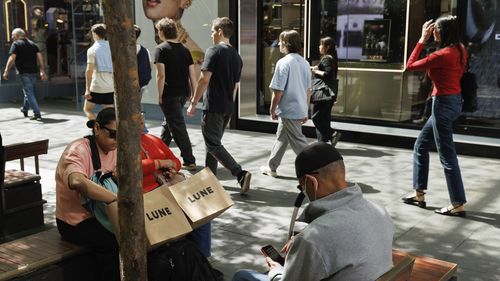

Recent figures from the Australian Bureau of Statistics (ABS) indicate a slight dip in the consumer price index, which fell to 3.7 percent for the year leading up to February. This is a decrease from January’s 3.8 percent and is marginally below what economists had predicted.
The trimmed mean, a key indicator of core inflation favored by the Reserve Bank of Australia (RBA), remained unchanged at 3.3 percent.
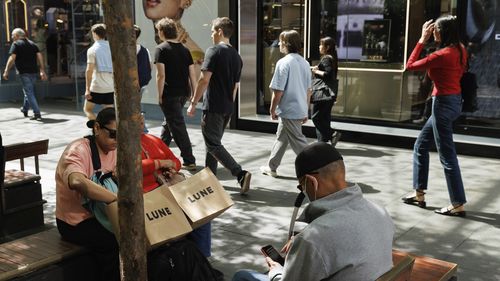
According to Canstar, the ongoing global economic pressures, coupled with inflation staying above the RBA’s 2 to 3 percent target range, are likely to prompt the Reserve Bank to implement a third consecutive interest rate increase at its upcoming meeting in May.
“Should the RBA decide to raise the cash rate for the third consecutive time, borrowers will be facing the highest cash rate since November 2011,” Canstar noted.
This would lead to a 7.4 percent rise in the average borrower’s monthly mortgage repayments, which would be compounded by the continued high costs of petrol, groceries, and services.
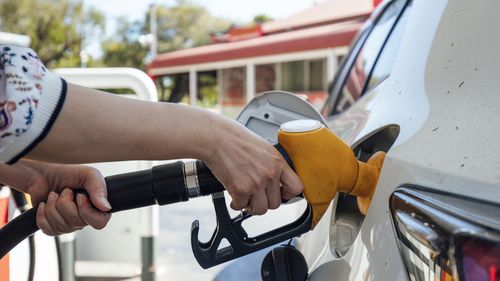
The ABS report also highlighted that fuel prices in February were 7.2 percent lower compared to the same month last year.
Housing costs were the main driver of inflation over the past 12 months, driven by a whopping 37 per cent energy price surge as government rebates ended.
Food and non-alcoholic drink prices also rose 3.1 per cent, with meals and takeaway prices increasing 3.7 per cent in the past year and beef and lamb prices rising by 13 per cent.
The RBA’s monetary policy board doesn’t meet again until early May, when the ABS will have released another round of inflation data, including quarterly figures.
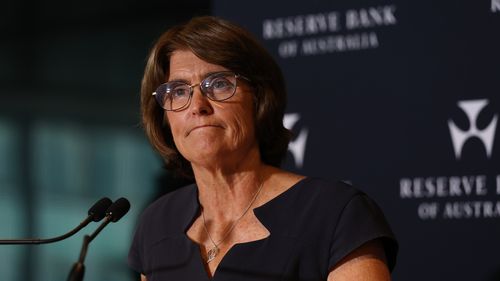
Governor Michele Bullock suggested more rate increases could come if inflation does not decrease.
“We don’t want to have a recession, but if it’s hard to get inflation down, then we’re going to have to deal with that possibly,” she said earlier this month.
Inflation expected to climb past 5 per cent 
Treasurer Jim Chalmers last week revealed modelling forecasts inflation to rise to 5.5 per cent if global oil prices continue to rise to $US120 per barrel.
A less severe scenario that sees oil prices reach $US100 per barrel in the short-term would still see inflation hit high 4 per cent.
Today, speaking to reporters after the latest inflation figures were released, he said those scenarios look “pretty conservative now”.
“There are two key considerations here. First of all, the timing of the end of the war and secondly, how long it takes for the global economy to get back on track after the hot part of the hostilities,” he said.
“Those are really the two key variables which play out in all of our scenario planning and all of our modelling.”
Chalmers has also warned that the economic impacts of the global conflict could be as damaging as the 2007 global financial crisis and the COVID-19 pandemic. 
Westpac expects headline inflation to reach 5.5 per cent by mid-year due to fuel prices and the trimmed mean, which will exclude fuel volatility, to reach 3.5 per cent in the same time.
Commonwealth Bank similarly forecasts inflation to soar past 5 per cent if the conflict severely escalates and causes oil prices to reach closer to $US150 per barrel. 
NEVER MISS A STORY: Get your breaking news and exclusive stories first by following us across all platforms.