
Israeli authorities are cautioning that Iran’s persistent internet blackout is influencing the battleground in significant ways that transcend the digital realm. This blackout not only obscures the effects of U.S. and Israeli military actions but also strengthens the regime’s control over its populace.
Several Israeli officials conveyed to Fox News that this blackout hinders the flow of information out of Iran and stifles internal organization among citizens, especially as the regime faces increasing pressure. Efforts by Iranian civilians to access the internet via satellite services like Starlink are being thwarted by signal jamming, with numerous individuals believed to be using such technology reportedly arrested.
“This is a blackout on truth,” a high-ranking Israeli intelligence officer shared with Fox News. “The regime is concealing the truth from its people. They don’t want Iranians to see the extent of the damage they’re suffering.”
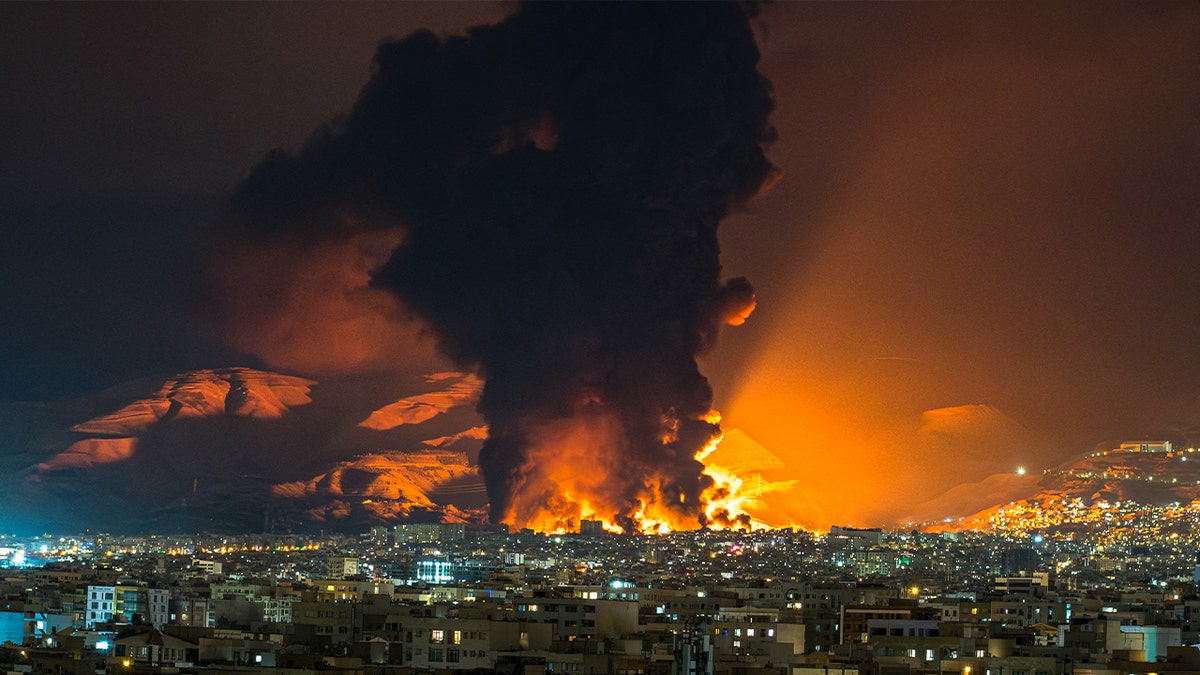
Attacks on Iranian leadership, the Revolutionary Guard, and the country’s naval and oil assets are causing turmoil in the markets.
Within Iran, the lack of information is being filled with narratives controlled by the state, as highlighted by the official.
“Iranians are only exposed to what is shown on regime-controlled TV channels, which misleadingly depict the destruction of the U.S. and Israel,” the Israeli official remarked.
But the impact goes beyond perception. The blackout is also affecting behavior on the ground.
“And it’s not just about what people see, it’s about what they can do,” the official said. “Cutting the internet stops people from communicating, from sharing what’s really happening, and from organizing.”
The restrictions come as the Iranian regime faces both external military pressure and lingering internal unrest following a brutal crackdown earlier in 2026. In January, security forces opened fire on nationwide protests, with reports suggesting the toll could be more than 30,000 killed in a matter of days.
Against that backdrop, Israeli officials say the blackout reflects the regime’s fear of renewed unrest.
“The Iranian people are one of the things the regime fears most,” the official said. “That’s why this blackout was such a priority.”
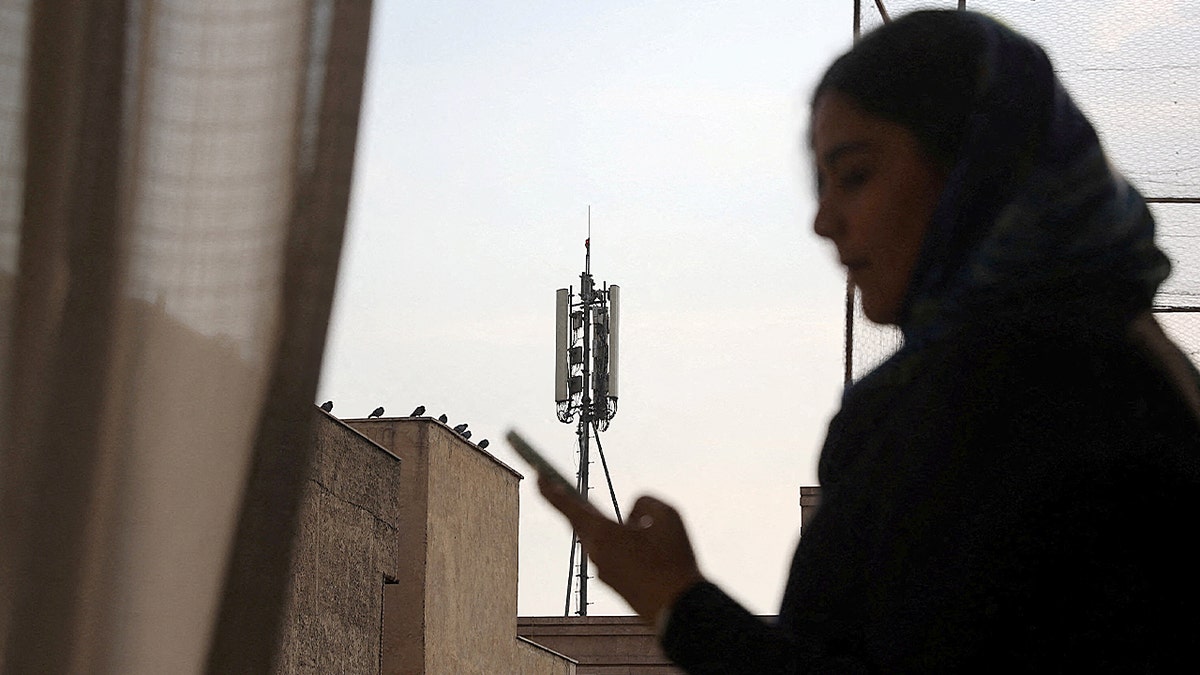
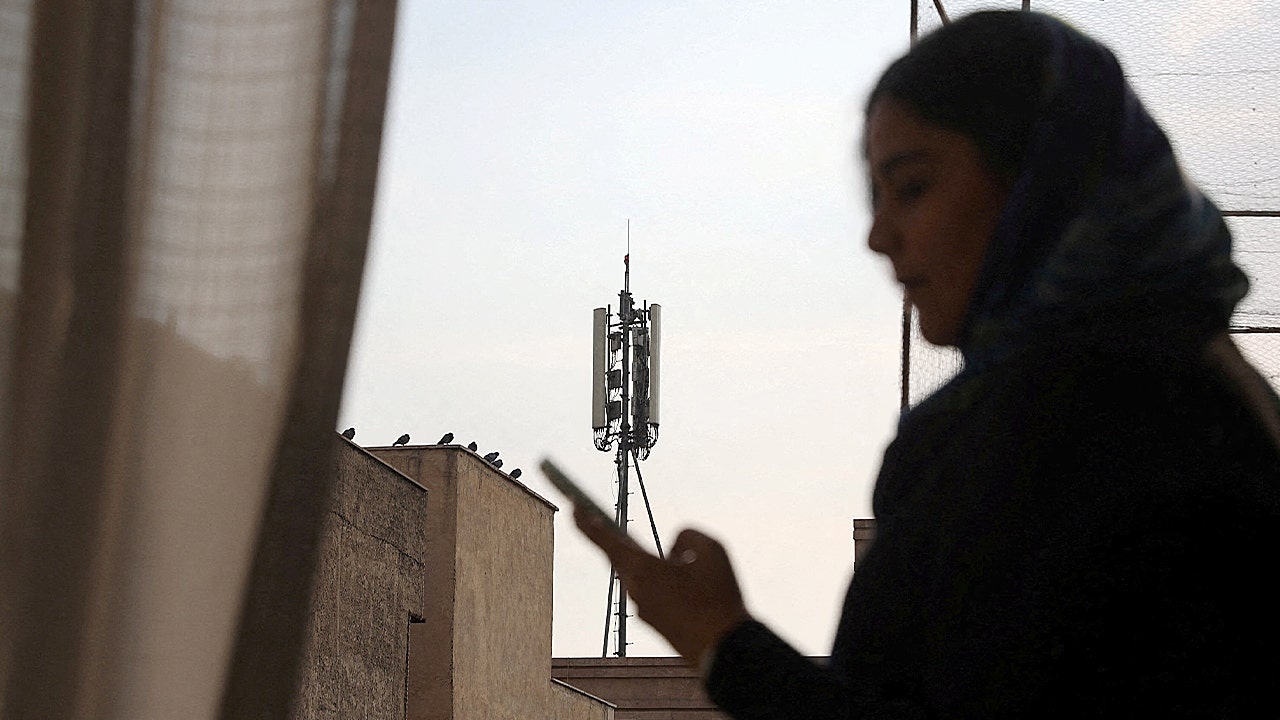
Iran internet blackout continues with heavy filtering despite partial restoration, costing over $780 million according to analyst Simon Migliano. (Majid Asgaripour/WANA (West Asia News Agency) via Reuters)
The result, according to Israeli officials, is a war that is unfolding largely out of public view.
“This is one of the least visible wars in modern history because very little footage is coming out,” the official said. “When this blackout is lifted, the full extent of the damage to the regime will become clear. Right now, we’re only seeing a small glimpse of just how badly they’re being decimated.”
Israeli sources also linked the blackout directly to high-value military targets.
The U.S. and Israel, the official claims, “have taken out 25 senior commanders from the MOIS,” referring to Iran’s Ministry of Intelligence.
“The majority (were) eliminated in the opening strike when they gathered for a meeting,” the official said, adding that those targeted were involved in managing the blackout.
The official identified Esmail Khatib as among those killed, describing him as “the minister of Intelligence who was the guy who signed off on the blackout.”
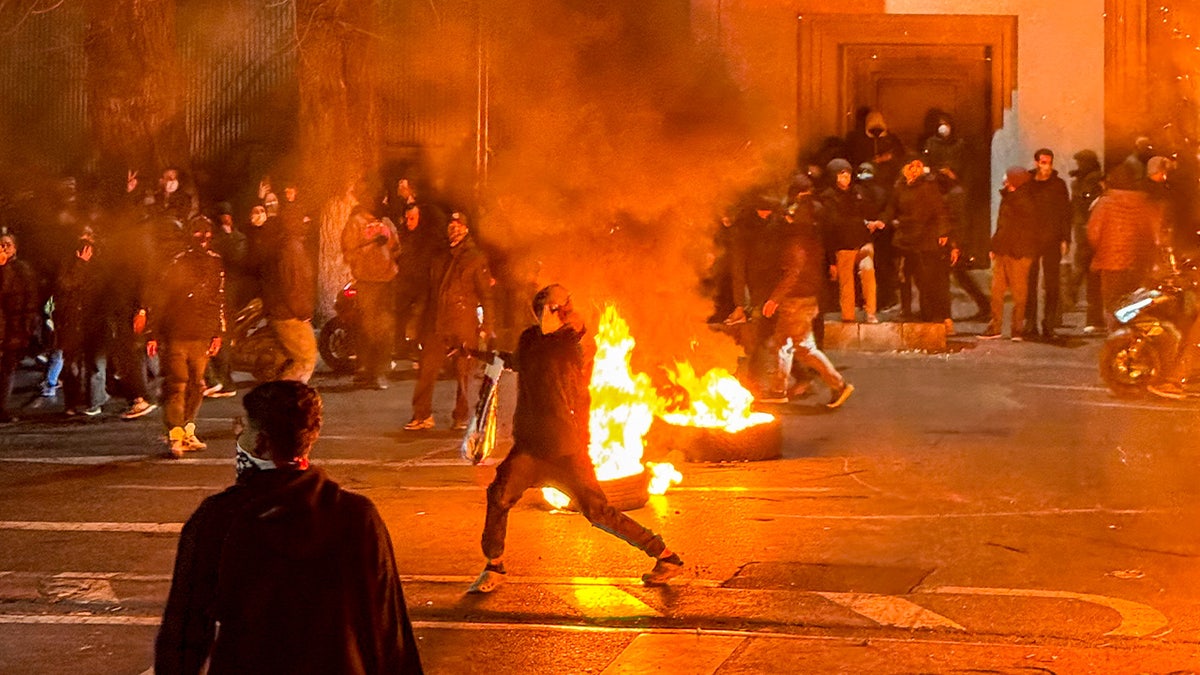
Iranians gather while blocking a street during a protest in Tehran, Iran Jan. 9, 2026. (MAHSA / Middle East Images / AFP via Getty Images)
U.S. analysts say the information domain is becoming a central front in the conflict.
John Spencer, executive director of the Urban Warfare Institute, wrote on X that “Iran has repeatedly shut down internet access to control its population. That capability can be reversed.”
Spencer argued that external actors could shift the balance by targeting regime communications while enabling civilian connectivity.
“Disrupt regime command networks while enabling connectivity for the population through external systems. Information becomes a weapon,” he wrote. “Control of narrative, coordination, and awareness shifts away from the regime.”
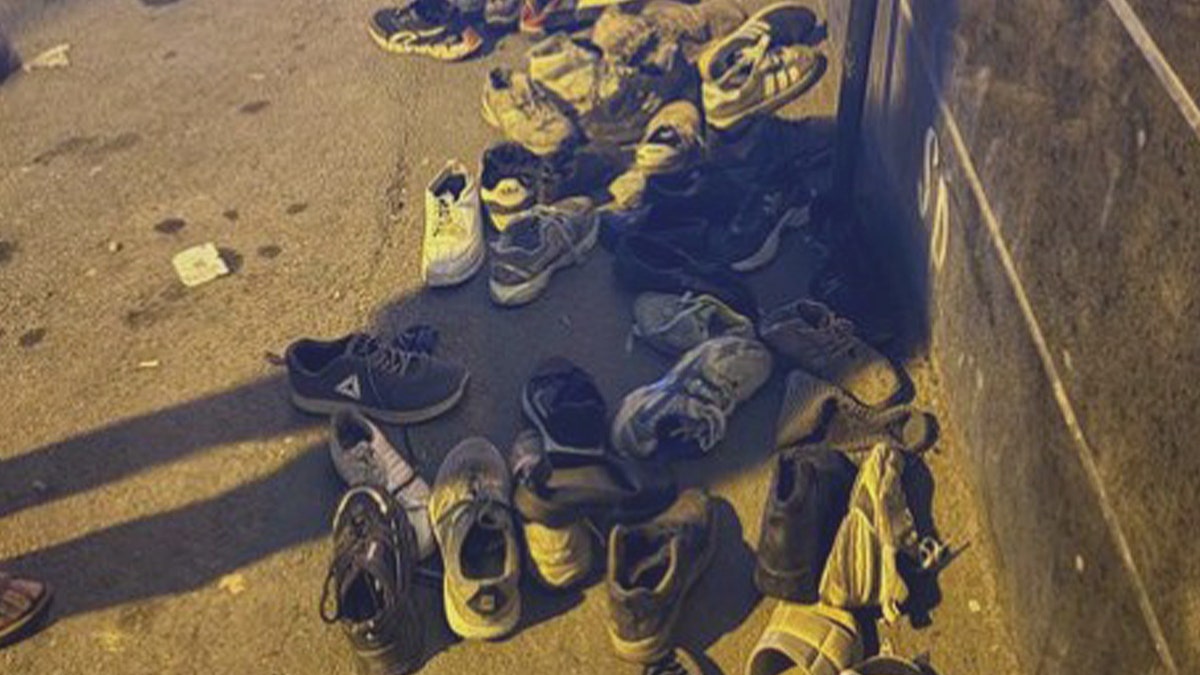
Iranian security forces allegedly killed detainees and burned bodies during protests, with clashes continuing in Kermanshah, Rasht and Mashhad despite government claims. (NCRI)
He also pointed to underlying instability inside Iran, noting that the country’s population is “over 85 million, young, urban, and repeatedly discontent,” with protest activity suggesting that a significant portion opposes the regime.
“Until now, civilians have largely been told to shelter,” Spencer wrote. “That could change.”
Fox News Digital reached out to the Iranian mission to the United Nations, which responded, “no comment.”
Fox News Digital reached out to the White House for comment.