
WASHINGTON – In a move aimed at boosting efficiency and expediting the permitting process for offshore oil and gas operations, the Trump administration announced plans on Friday to merge two previously distinct agencies. These agencies were originally separated following the 2010 Gulf oil spill disaster.
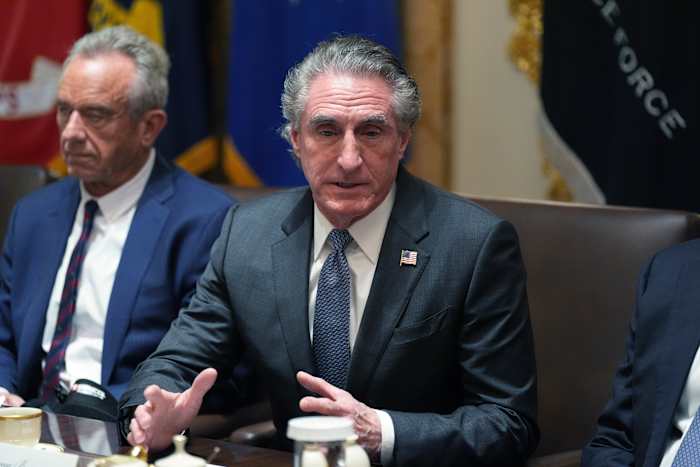
The newly formed Marine Minerals Administration will integrate the roles of the Bureau of Ocean Energy Management and the Bureau of Safety and Environmental Enforcement. Interior Secretary Doug Burgum stated that this merger would foster a “streamlined approach,” ensuring that current regulatory protections and stringent safety standards remain intact.
Burgum emphasized that the unified agency would provide “clearer coordination, enhanced public service, and stronger, more unified oversight of offshore energy development,” as part of this strategic overhaul.
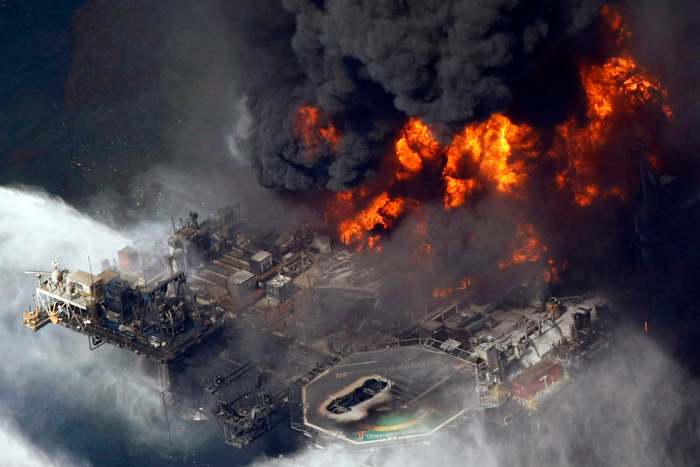
The name of the new agency harks back to the former Minerals Management Service, which was responsible for overseeing offshore drilling for many years. The need for reorganization became apparent after the catastrophic April 2010 explosion on BP’s Deepwater Horizon drilling rig in the Gulf of Mexico. This tragic event led to the deaths of 11 individuals and the release of nearly 5 million barrels of crude oil into the ocean, marking the largest offshore oil spill in U.S. history.
In the wake of the disaster, lawmakers from both political parties, along with external critics, accused the agency of inadequate oversight and excessively close ties with the oil industry. A 2008 report from the Interior Department’s inspector general revealed that agency employees had accepted gifts, directed contracts to preferred clients, and engaged in inappropriate activities with energy firm employees.
Amid mounting public scrutiny, the agency’s director resigned in May 2010, less than a year into her role. This resignation came as the Obama administration sought to enforce stricter controls over drilling activities following the devastating spill.
The Bureau of Ocean Energy Management and the Bureau of Safety and Environmental Enforcement replaced the disbanded Minerals Management Service in 2011. The former agency’s revenue management function was also separated into a new office. The Obama administration said the reorganization was designed to remove the complex and sometimes conflicting missions of the former agency.
BOEM oversees development of oil and gas, as well as renewable energy and mining on the U.S. Outer Continental Shelf, while BSEE enforces safety and environmental regulations.
Environmental groups slammed the reorganization as a replay of the agency’s troubled past.
The MMS was intentionally split up after the Gulf spill because regulators were too cozy with industry and “we couldn’t trust the integrity of their work,” said Miyoko Sakashita, oceans director at the Center for Biological Diversity.
The new set-up “sounds like yet another handout to the oil industry that will fast-track risky projects. It sure won’t make the people or wildlife on our coasts any safer,” she wrote in an e-mail Friday.
The National Ocean Industries Association, which represents offshore developers, said that two separate — yet overlapping — government agencies responsible for administering the Outer Continental Shelf Lands Act can understandably result in inconsistencies and delays.
“Bringing them back together should result in closer coordination and a more efficiently functioning government, for the benefit of American citizens who rely upon the energy produced from the U.S. Outer Continental Shelf to fuel our economy and lift society,” Association President Erik Milito said in a statement.
___
The Associated Press’ climate and environmental coverage receives financial support from multiple private foundations. AP is solely responsible for all content. Find AP’s standards for working with philanthropies, a list of supporters and funded coverage areas at AP.org.
Copyright 2026 The Associated Press. All rights reserved. This material may not be published, broadcast, rewritten or redistributed without permission.