

The grip of fear continues to tighten in Iran.
In a chilling development, the Iranian government executed two individuals on Saturday, intensifying its campaign of repression as concerns about potential protests in Tehran loom large.
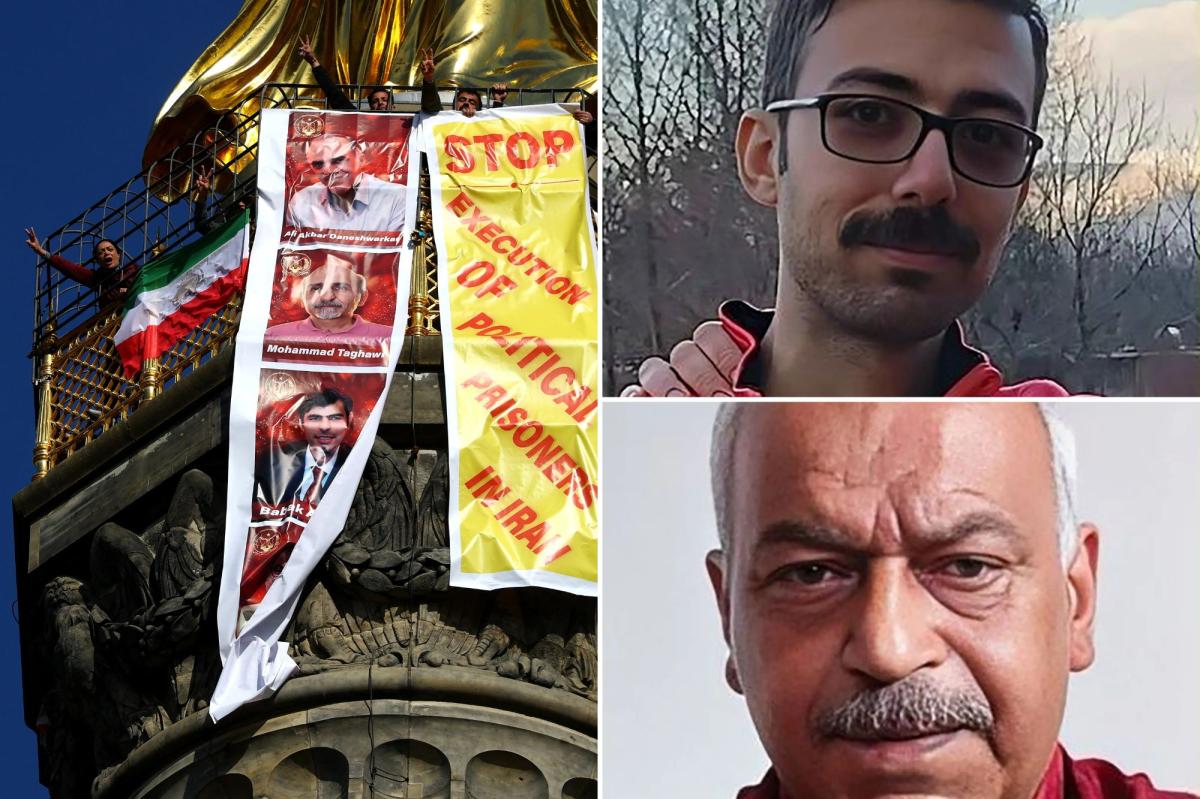
Abolhassan Montazer, a 66-year-old architect, and Vahid Baniamerian, a 33-year-old management graduate, were political prisoners who faced the gallows.
The charges against them involved membership in the outlawed opposition faction, the People’s Mojahedin Organization of Iran, and their deaths follow the execution of four additional members of the same group just days prior.
“Faced with a dwindling grip on power and the aftermath of widespread national protests, the clerical regime is resorting to executions to eliminate its organized opposition and instill fear among the populace,” the organization declared in a statement released on Saturday.
The statement criticized the executions as the result of a deeply flawed judicial process that lacked legal legitimacy, pointing to forced confessions and the dissemination of false allegations by state-controlled media as tactics used to rationalize these politically motivated executions.
Montazer and Baniamerian were arrested in January 2024 and sentenced to death after being charged with “armed rebellion” and labeled by the state media as a “terrorist team of the enemy.”
The opposition group remains defiant in the face of the regime.
“These brutal executions will not silence the opposition. Instead, they will only intensify the resolve of Iran’s rebellious youth to overthrow the regime,” it said.
In addition, 18-year-old musician Amirhossein Hatami, who was arrested in January in Tehran during the nationwide protests, was also hanged Thursday.
State media has confirmed 12 executions in Iran so far this year, though Iranian human rights group Hengaw reported evidence of 160 hangings since January.
The executions come on the back of tens of thousands of deaths at the hands of the Islamic Revolutionary Guard Corps after it tried to silence dissent when anti-regime protesters took to the streets of Tehran in January over the country’s faltering economy.
More than 7,000 killings of protestors have been confirmed by the US-based Human Rights Activists News Agency, though thousands more are still under investigation.
The death toll could exceed 36,500 people, according to the UN Special Rapporteur on human rights in Iran.
Amnesty International has raised fears of more planned executions in the weeks to come, including protesters arrested during January’s mass demonstrations.