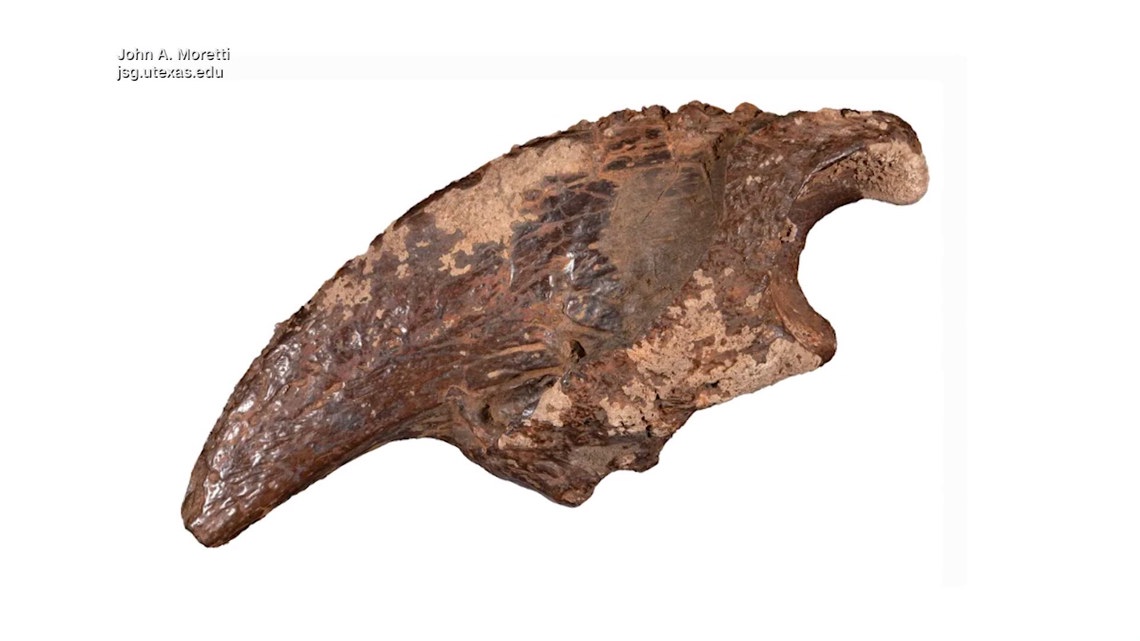

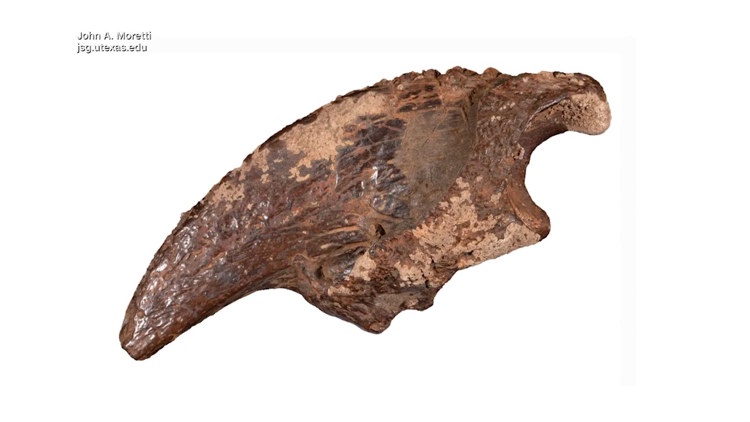
A remarkable discovery has unearthed remains of giant tortoises, saber-tooth cats, and various other animals, shedding light on a prehistoric world that remains largely mysterious.
WASHINGTON — A groundbreaking find by a paleontologist has revealed a treasure trove of ancient fossils within a cave, potentially transforming our understanding of prehistoric ecosystems in this particular region.
John Moretti, a researcher affiliated with the University of Texas at Austin, stumbled upon these fossils while examining a water-filled cave. This site contained previously undocumented remains unique to that area.
The collection includes fossils of a giant tortoise and a pampathere, a prehistoric creature akin to an armadillo, known to reach the size of a lion. Moretti also discovered fragments belonging to saber-tooth cats, camels, mastodons, and a giant ground sloth.
Moretti retrieved these fossils from an underground stream, diving in to collect the scattered shell, armor, and bone fragments.
“The cave was teeming with fossils like nothing I’ve encountered before,” Moretti remarked. “The floor was simply littered with bones.”
Researchers believe the fossils may date to the last interglacial period, a warm interval during the last ice age roughly 100,000 years ago. If confirmed, the find could offer a rare glimpse into a prehistoric environment that has not been well documented in that region.
“This site is showing us something different, and that’s really important,” Moretti said. “It’s a new window into the past and into a landscape, environment and animal community that we haven’t observed before.”
The findings were published in March in the journal Quaternary Research. Moretti and a collaborator made multiple trips to the cave over more than a year, collecting fossils from dozens of locations within the site.
Researchers say the fossils appear to have been deposited around the same time, based on their similar mineralization and wear, though the lack of surrounding geologic material makes precise dating difficult.
Scientists say discoveries like this highlight the importance of collaboration between researchers and landowners, particularly as many caves are located on private property.
“These connections and partnerships make possible a lot of the natural science that gets done,” Moretti said. “It takes contributions from everyone to learn about the natural world we live in and depend on.”