
Students exposed to drug-resistant super-strain of TB at Southwestern College

A disturbing health alert has emerged from a Southern California college campus, where authorities have disclosed potential exposure to a perilous, drug-resistant tuberculosis strain among students and staff.

On Thursday, health officials in San Diego County issued a warning that anyone who visited Southwestern Community College in Chula Vista from late October to mid-December 2025 might have come into contact with this difficult-to-treat pathogen.

The concern centers around multidrug-resistant tuberculosis (MDR-TB), a particularly severe variant of the disease. Unlike typical strains, MDR-TB does not respond to conventional antibiotic treatments, posing significant challenges in terms of treatment duration and complexity.


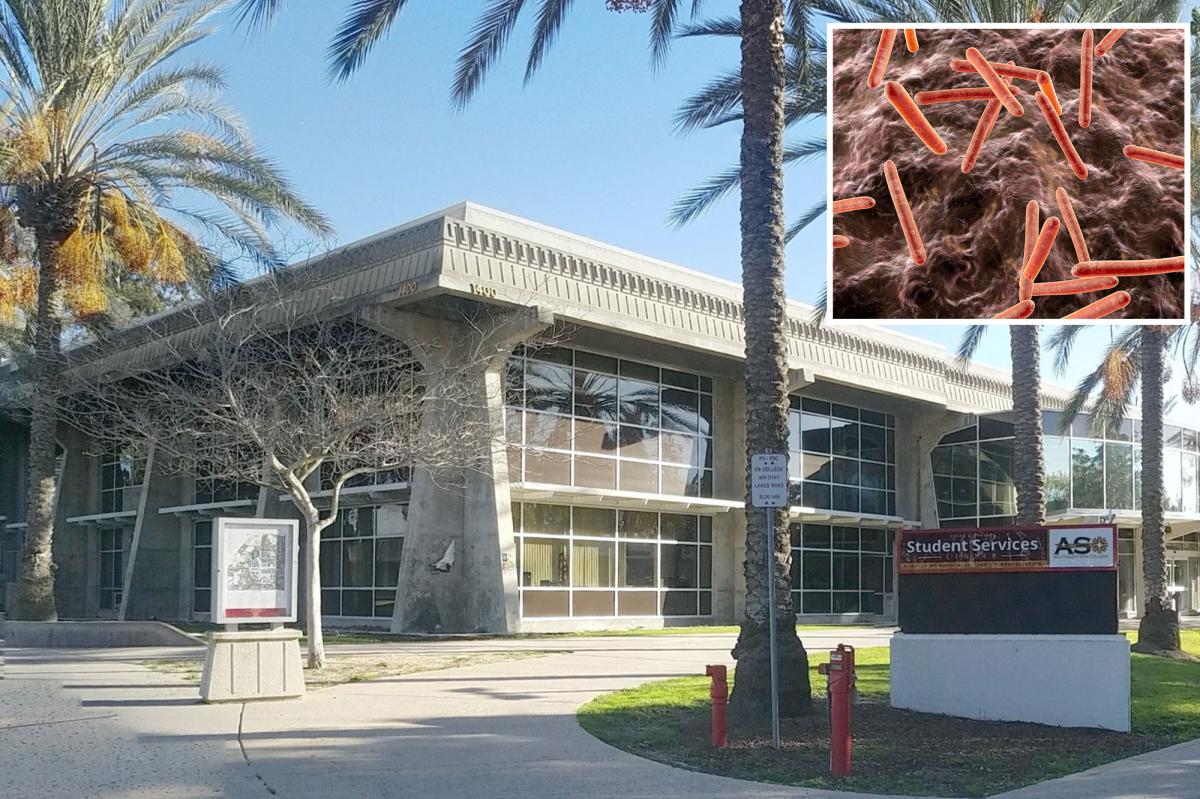
Southwestern Community College campus building with palm trees and a sign for Student Services.
Southwestern Community College

Those who test positive but show no symptoms likely have latent TB, meaning the bacteria is present but inactive. Still, without treatment, about 5% to 10% of latent cases can turn into active cases if left untreated, according to health officials.

But the delayed discovery highlights a chilling reality: TB can go undetected for months, silently spreading before a diagnosis is made.  

San Diego County already has an estimated 175,000 people living with latent TB infections, underscoring how widespread the underlying condition can be. The warning comes as tuberculosis cases have been climbing in recent years, with hundreds of active cases reported annually. Still, MDR-TB remains relatively rare, with experts reporting just three in 2024, and two in 2025 in San Diego County.