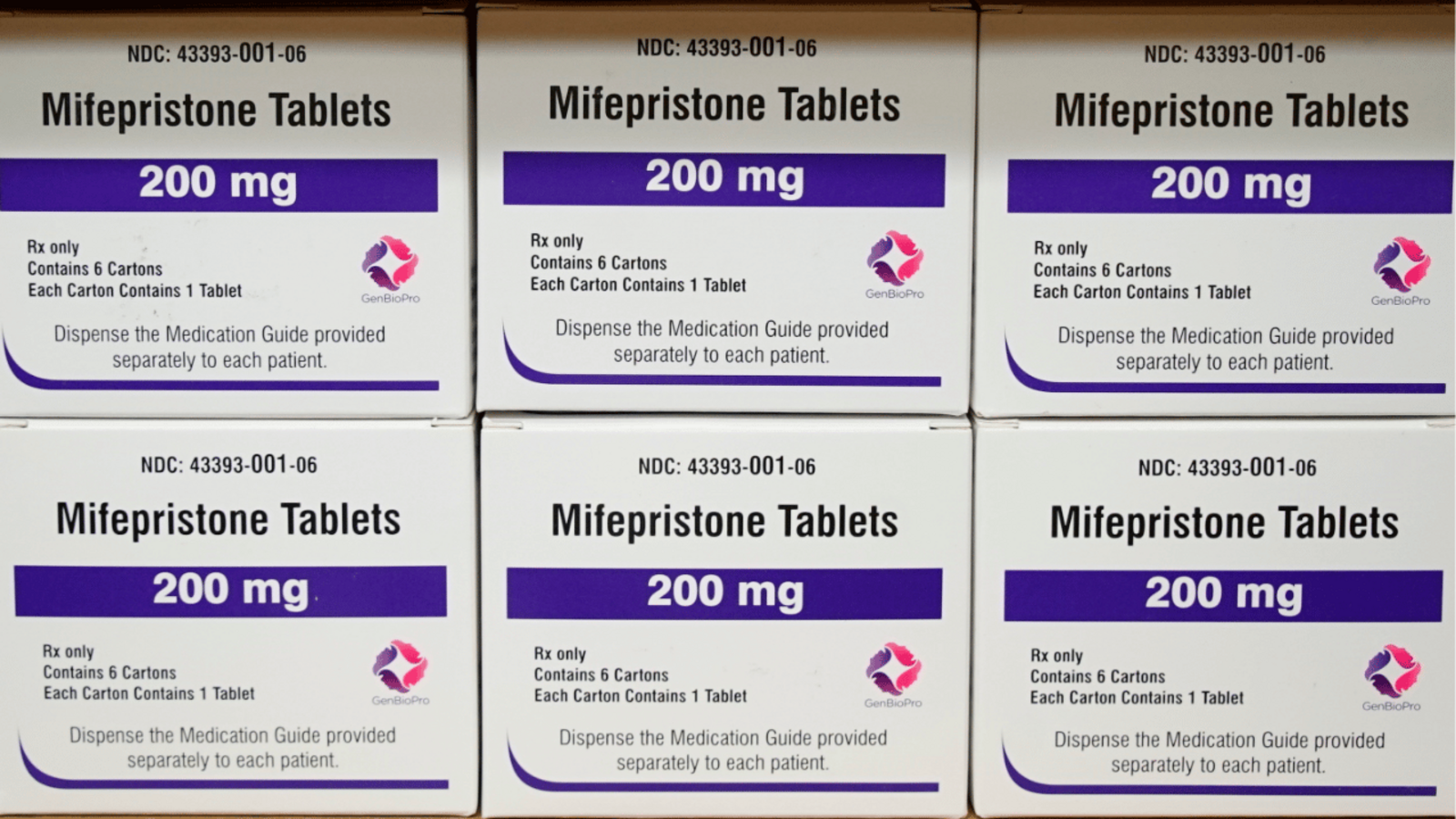

The accessibility of one of the most commonly used abortion methods in the United States has been significantly limited following a decision by a federal appeals court. The court has prohibited the mailing of Mifepristone prescriptions, impacting how the medication can be distributed.
The 5th U.S. Circuit Court of Appeals, based in New Orleans, has mandated that Mifepristone, an abortion pill, must be dispensed in person at clinics, rather than through the mail. This decision alters the way the medication is made available to individuals seeking it.
The court’s ruling highlighted concerns related to state laws, stating, “Every abortion facilitated by FDA’s action counters Louisiana’s ban on medical abortions and challenges its policy declaring that ‘every unborn child is a human being from the moment of conception and is, therefore, a legal person.'”
Historically, judicial bodies have tended to support the Food and Drug Administration’s (FDA) authority when it comes to assessing the safety and regulatory measures of pharmaceuticals.
Under the administration of President Donald Trump, FDA officials have reiterated that the agency is undergoing a fresh evaluation of the safety of Mifepristone, following presidential directives.
In their judgment, the judges acknowledged that the FDA “could not provide a timeline for when this review would be concluded and admitted that data collection was still ongoing.”
In a court filing, Louisiana’s attorney general and a woman who says she was coerced into taking abortion pills requested that the FDA rules be rolled back to when the pills were allowed to be prescribed and dispensed only in person.
A Louisiana-based federal judge last month ruled that those allowances undermined the state’s abortion ban but stopped short of undoing the regulations immediately.
Since the Supreme Court’s 2022 ruling that overturned Roe v. Wade and allowed enforcement of abortion bans, prescriptions by mail have become a major way that abortions are provided – including to states where bans are in place.
“This is going to affect patients’ access to abortion and miscarriage care in every state in the nation,” said Julia Kaye, an ACLU lawyer. “When telemedicine is restricted, rural communities, people with low incomes, people with disabilities, survivors of intimate partner violence and communities of color suffer the most.”
Mifepristone was approved in 2000 as a safe and effective way to end early pregnancies. It is typically used in combination with a second drug, misoprostol.
Because of rare cases of excessive bleeding, the FDA initially imposed strict limits on who could prescribe and distribute the pill – only specially certified physicians and only after an in-person appointment where the person would receive the pill.
Both those requirements were dropped during the COVID-19 years. At the time, FDA officials under President Joe Biden said that after more than 20 years of monitoring mifepristone use, and reviewing dozens of studies involving thousands of women, it was clear that women could safely use the pill without direct supervision.
Friday’s ruling sets up a likely appeal to the Supreme Court.
The conservative-majority high court overturned abortion as a nationwide right in 2022 but unanimously preserved access to mifepristone two years later.
That 2024 decision sidestepped the core issues, however, by ruling that the anti-abortion doctors behind the case didn’t have legal standing to sue.
Copyright © 2026 by The Associated Press. All Rights Reserved.