IN BRIEF
- The United States will soon start escorting ships through the blocked Strait of Hormuz, Donald Trump said.
- Iran said on Monday AEST that it had received a US response to its latest offer for peace talks.
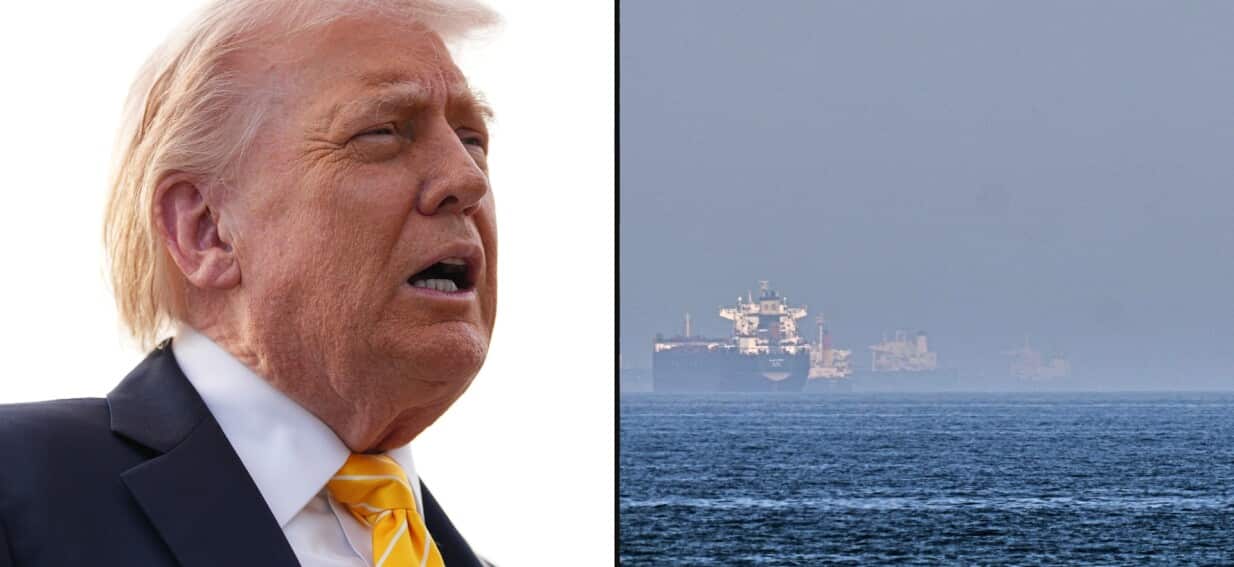
President Donald Trump announced that an initiative to assist stranded ships in the Strait of Hormuz is set to commence on Monday, although he provided limited specifics.
In a social media post timed for Monday AEST, Trump stated that the ongoing conflict with Iran has impacted “neutral and innocent” nations. He assured these countries that their vessels would be safely navigated out of the restricted waters, allowing them to resume their activities without hindrance.
The effort, dubbed “Project Freedom,” is slated to start Monday morning in the Middle East.
Trump also mentioned that his administration is engaging in dialogues with Iran that could potentially result in a favorable outcome for all parties involved.
The alliance between the United States and Israel executed strikes on Iran on February 28, resulting in the death of Iran’s supreme leader. In retaliation, Iran launched attacks on American military bases and Israeli interests in the area.
A ceasefire was established on April 8, and since then, one round of direct peace negotiations has taken place in Islamabad. However, the discussions have reached a stalemate.
Iran has maintained a stranglehold on the Strait of Hormuz since the war began, choking off major flows of oil, gas and fertiliser to the world economy, while the US has imposed a counter-blockade on Iranian ports.
As of 29 April, more than 900 commercial vessels were located in the Gulf, according to maritime intelligence firm AXSMarine. There had been more than 1,100 at the start of the conflict.
Iran denies attacking cargo ship
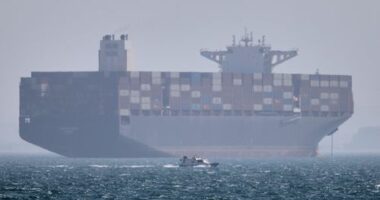
A cargo ship near the Strait of Hormuz said it was attacked by multiple small craft, the British military’s United Kingdom Maritime Trade Operations centre reported overnight, the latest in at least two dozen attacks in and around the strait since the war began.
All crew on the unidentified northbound cargo ship were safe after the attack off Sirik, Iran, east of the strait, the British monitor said.
Iranian officials have asserted that they control the strait and that ships not affiliated with the US or Israel can pass if they pay a toll.
Iran denied an attack, the semi-official Iranian outlets Fars and Tabnak reported, and said a passing ship had been stopped for a documents check as part of monitoring.
The monitor said it was the first reported attack in the area since 22 April. Iran has effectively closed the strait by attacking and threatening ships, and the threat level in the area remains critical.
Iranian patrol boats, some powered only by twin outboard motors, are small, nimble and hard to detect. Trump last month ordered the US military to “shoot and kill” small Iranian boats that allegedly deploy mines in the strait.
The fragile three-week ceasefire appears to be holding, though, on Sunday, Trump told journalists that further strikes remained a possibility.
Iran reviews US response to its latest proposal
Iran is reviewing the US response to its latest proposal, Iran’s judiciary Mizan news agency cited foreign ministry spokesperson Esmail Baghaei as saying.
But “at this stage, we have no nuclear negotiations”, Baghaei said. Iran’s nuclear program and enriched uranium have long been the central issue in tensions with the US, but Iran would rather address it later.
Iran’s proposal wants other issues resolved within 30 days and aims to end the war rather than extend the ceasefire, Iranian media reported.
On Sunday, Trump said he was reviewing the proposal but expressed doubt it would lead to a deal, adding on social media that “they have not yet paid a big enough price for what they have done”.
Iran’s 14-point proposal calls for the US lifting sanctions on Iran, ending the US naval blockade of Iranian ports, withdrawing forces from the region and ceasing all hostilities, including Israel’s operations in Lebanon, according to the semiofficial Nour News and Tasnim agencies.
Iran sent its proposal via Pakistan, which hosted face-to-face talks last month between Iran and the United States.
Pakistan’s prime minister, foreign minister and army chief continue to encourage the US and Iran to speak directly, according to two officials in Pakistan who spoke on condition of anonymity because they were not authorised to speak to the media.
Also on Monday, Iranian foreign minister Abbas Araghchi spoke with his counterpart in Oman, which oversaw previous rounds of talks before the war, and in Brazil and Spain.
For the latest from SBS News, download our app and subscribe to our newsletter.