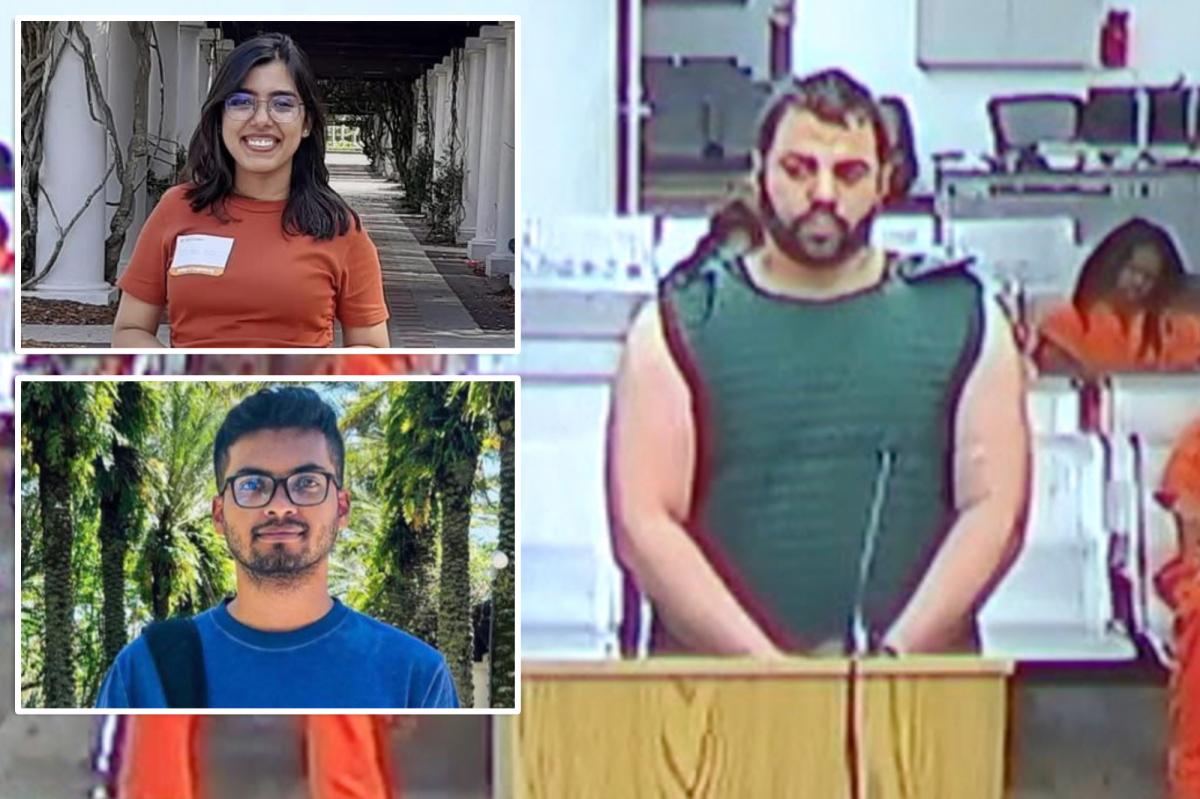


TAMPA — Florida prosecutors are pushing for the execution of a man accused of murdering two doctoral students, a case that took a bizarre turn when he allegedly sought advice from ChatGPT on how to conceal their bodies.
The Hillsborough State Attorney’s Office announced on Friday their intention to seek the death penalty against 26-year-old Hisham Saleh Abugharbieh. This decision came only a day after a grand jury indicted him in connection with the murders of Zamil Limon and Nahida Bristy. Abugharbieh is facing two charges of first-degree murder among other allegations.
The victims, both 27 and students at the University of South Florida from Bangladesh, disappeared on April 16. The case took a disturbing twist when it was revealed that Abugharbieh, who shared a living space with Limon, allegedly used ChatGPT to find ways to dispose of a body. His arrest followed about a week later, and he has remained in custody since then.
Limon had previously expressed concerns about Abugharbieh’s behavior, describing him to his now-deceased girlfriend as “psychopathic.”
Through the use of cellphone location data and license plate readers, detectives located Limon’s body on April 24 near a bridge. The body bore several stab wounds and appeared to be bound. Subsequently, on April 26, Bristy’s body was discovered in a waterway in Tampa.
Detectives pinpointed Limon’s body to a bridge using cellphone location and license plate reader data on April 24. The body had multiple stab wounds and appeared to be bound. Bristy’s body was recovered in a Tampa waterway on April 26.
Search warrants revealed blood residue trailing from the kitchen to Abugharbieh’s bedroom, where the carpet was soaked in blood.
Police recovered Limon’s wallet and blood-stained clothes from the apartment’s trash compactor compactor.
Abugharbieh’s mother, Haya Abugharbieh, told prosecutors that he had anger management issues and was violent with family members in the past.
Abugharbieh’s arraignment has been scheduled for May 18.
With Post wires