
The New South Wales government is set to unveil new legislation aimed at dismantling organized crime networks, introducing stricter measures that will complicate bail for individuals with gang affiliations.
Under the proposed laws, anyone caught setting a vehicle on fire after using it in drug trafficking, firearm distribution, or other major offenses could face a prison sentence of up to 12 years—two years longer than the current penalty for arson.
The legal consequences for enlisting minors in criminal activities will also become more severe, with the maximum sentence increasing from 10 to 12 years. If the child is under 16 or recruited to steal vehicles, the penalty could rise to 15 years.
Individuals who discharge a firearm in a public space will face up to 14 years in prison, while those who shoot at buildings or vehicles could receive sentences as long as 18 years.
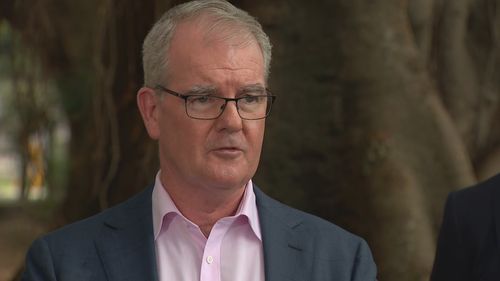
“These robust reforms are designed to enhance community safety and ensure organized criminals face justice for the chaos and damage they bring to our neighborhoods,” stated NSW Attorney General Michael Daley.
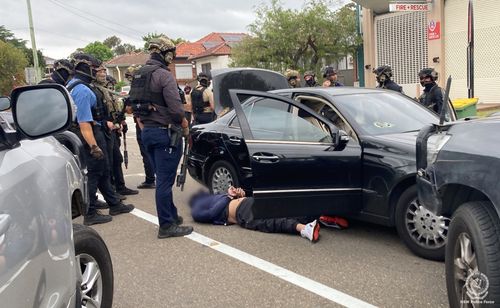
Recent law enforcement operations have led to numerous arrests related to so-called ‘kill cars,’ which are utilized by crime syndicates or hired criminals to execute and escape from serious crimes.
The vehicles are often stolen cars with cloned licence plates that contain balaclavas, weapons, and jerry cans which can be used to destroy evidence.
Police claimed to have stopped an alleged ‘kill car’ plot in April after ramming into an Audi believed to be linked to multiple shooting and firebombing incidents across south-west Sydney.
Officers last October also pounced on a group of men in a car, allegedly trying to intercept and kill their target as he picked up a child from daycare.
In April, two men and a 17-year-old were arrested over their alleged involvement in a firebombing.
Concerns over youth crime have made headlines across the country.
Children committed 57.6 per cent of carjackings, 52.6 per cent of home invasions, 47.8 per cent of aggravated burglaries and 62.4 per cent of robberies, according to Victorian government statistics.
Queensland and Victoria have passed controversial laws requiring children to face adult sentences for serious offences, while the Northern Territory has lowered the age of criminal responsibility from 12 to 10.
But youth justice experts say such reforms will lead to the incarceration of already-vulnerable children and would not prevent them from re-offending.
NEVER MISS A STORY: Get your breaking news and exclusive stories first by following us across all platforms.