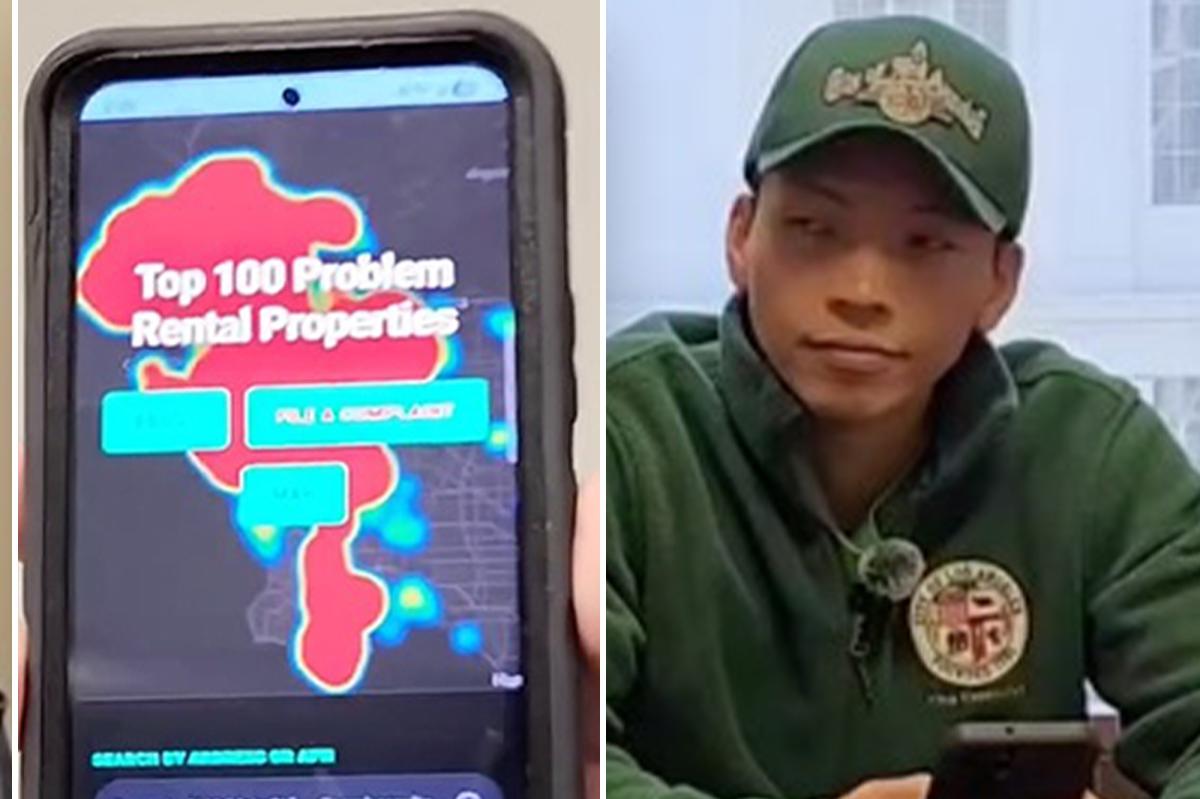


Los Angeles renters now have a powerful tool at their disposal: a comprehensive online database that lays bare years of alleged housing violations linked to apartment buildings throughout the city. This new resource highlights issues ranging from illegal evictions to tenant harassment, providing transparency that many renters have long sought.
The “Top 100 Problem Rental Properties” dashboard, unveiled by LA City Controller Kenneth Mejia’s office, offers a user-friendly interface where tenants can search virtually any residential address in Los Angeles. With just a few clicks, they can access over a decade’s worth of reported complaints and code violations, with records stretching back to December 2013.
Through the LA Controller’s Problem Rental Properties dashboard, renters can see a detailed ranking of the city’s most problematic rental addresses, complete with the number and type of violations attributed to each property. This transparency aims to empower tenants and hold landlords accountable by shining a light on the city’s most egregious offenders.
Per the Controller’s office, the three addresses topping the list with the highest number of housing violation cases are:
🥇 636½ N. Hill St.
🥈 11700 W. Wilshire Blvd.
🥉 6650 W. Forest Lawn Dr.
The city says the dashboard is the first time Angelenos have had a simple way to search years of housing complaints and violations in one centralized place.
“We ranked the TOP 100 PROBLEM RENTAL PROPERTIES in the City of LA,” the Controller’s office posted on social media while announcing the tool.
The data paints a troubling picture of tenant complaints across the city.
Among the most commonly cited violations:
- Illegal eviction: 55,018 cases
- Illegal rent increase: 37,876 cases
- Reduction of services: 32,015 cases
- Harassment: 24,179 cases
The dashboard also includes an interactive map, property ownership information and breakdowns of the types of violations tied to each building.
Housing advocates have long complained that renters were forced to navigate scattered city records and difficult-to-search databases to uncover whether landlords had histories of complaints or alleged abuse.