

On Wednesday, fair housing groups initiated a legal challenge against a recent federal rule modification, arguing it could roll back years of progress in lending protections and potentially lead to discrimination against Black, Latino, and other minority communities.
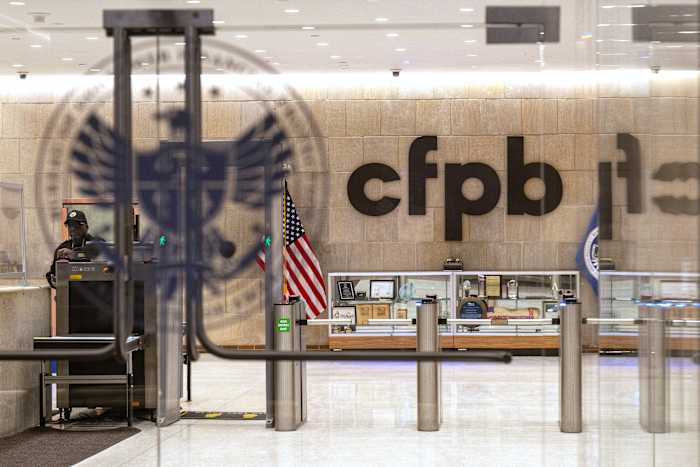
This lawsuit, filed in Washington, D.C., targets changes introduced by the Consumer Financial Protection Bureau (CFPB) earlier this year. These amendments affect the Equal Credit Opportunity Act, which is designed to prevent discrimination by lenders. A significant concern raised is the removal of the requirement for lenders to consider “disparate impact”—policies that might seem fair but disproportionately disadvantage certain groups.
The plaintiffs contend that this change could allow lenders to focus their marketing efforts on predominantly white areas, leaving minority communities to turn to high-risk, high-interest lenders known for predatory practices.
Lisa Rice, CEO and president of the National Fair Housing Alliance, one of the organizations behind the lawsuit, expressed her concerns: “This is a deliberate dismantling of 50 years of legal jurisprudence, regulatory guidance, and bipartisan consensus that lending discrimination has no place in America,” she stated.
Rice further criticized the CFPB’s actions as part of a broader effort by the current administration to weaken fair housing and lending protections. She warned that dismantling these safeguards would reduce credit access for many, destabilize markets, and harm economic productivity.
Paulina Gonzalez-Brito, CEO of Rise Economy—another plaintiff and a California nonprofit focused on economic justice—voiced her criticism of the CFPB. She accused the bureau of disregarding “public comments, common sense, and decades of precedent” in what she described as a misguided attempt to upend anti-discrimination laws.
“The CFPB was created to protect consumers and small businesses from financial abuse and discrimination, and this final Reg B rule would do real harm, setting us back in our collective efforts to ensure that all families and small businesses have a fair chance to achieve the American Dream,” Gonzalez-Brito said.
The CFPB did not respond to a request for comment.
Plaintiffs argue that the rule change is part of a broader campaign by the Trump administration to dismantle regulations related to fair housing and lending protections.
The administration, the National Fair Housing Alliance said, has proposed eliminating the budget for the Fair Housing Initiatives Program, which funds nonprofits to ensure access to housing for seniors, disabled veterans, families with children and other groups. It also has cut staffing in half at the Department of Housing and Urban Development’s Office of Fair Housing and Equal Opportunity.
Several high-profile settlements in recent years indicate housing discrimination remains a significant problem.
In 2023, the Justice Department accused Los Angeles-based City National Bank of discrimination by refusing to underwrite mortgages in predominately Black and Latino communities, requiring the bank to pay more than $31 million in the largest redlining settlement in department history. In 2016. the Justice Department and the CFPB fined Mississippi-based BancorpSouth $10.6 million, alleging the bank deliberately discriminated against minorities in its lending practices.
Plaintiffs are asking court to vacate the rule, which they contend is arbitrary and capricious, in excess of statutory authority, and issued outside the procedures required by Congress.
“The Final Rule does not reflect reasoned decision-making or an expert, good-faith effort to implement our nation’s foundational credit antidiscrimination statute,” plaintiffs wrote. “Quite the opposite: The Final Rule is a drastic turn, without justification, from the CFPB’s (and its Federal Reserve Board predecessor’s) longstanding interpretation and enforcement of key ECOA provisions.”