Hezbollah's secret 'kill, wound and maim' bomb network exposed as Israel strikes Beirut

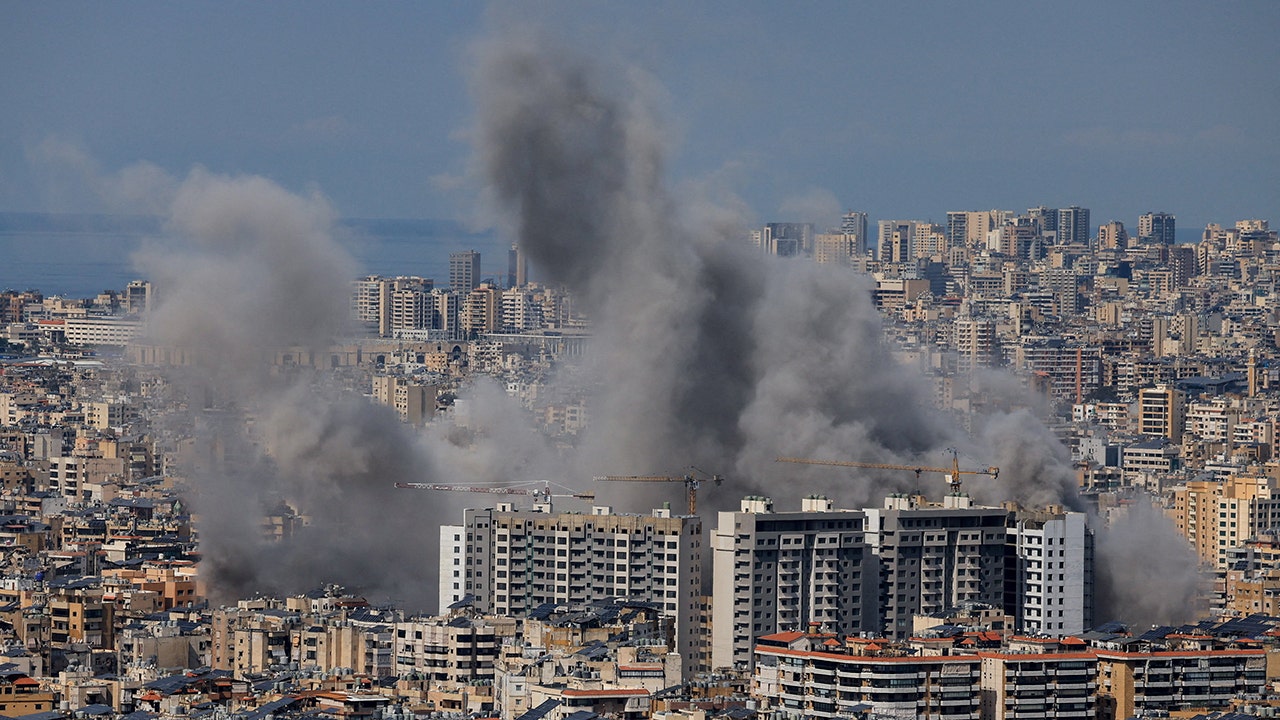
In a dramatic escalation, Israel launched airstrikes targeting what it identified as Hezbollah command centers located in the southern suburbs of Beirut. This response came on Sunday, following Israeli reports that Hezbollah had fired rockets into northern Israel. No immediate claim of responsibility was made by Hezbollah.

The tension flared just days after the United States, Israel, and Lebanon announced a renewed ceasefire agreement. This framework required Hezbollah to cease fire and withdraw from certain areas in southern Lebanon. The situation also followed the Israeli Defense Forces (IDF) releasing footage purportedly showing their troops dismantling a Hezbollah explosives facility. An external expert noted that the components in the footage resembled shrapnel devices intended to harm individuals on foot.

These strikes represent a significant escalation across the border, coinciding with the announcement of a conditional ceasefire by the U.S., Israel, and Lebanon, which called on Hezbollah to cease fire and pull back from southern Lebanon regions.

Israeli Prime Minister Benjamin Netanyahu’s office stated that these military actions were a direct response to the earlier violation by Hezbollah.

An explosion lights up the sky as an Israeli strike hits a building in central Beirut, Lebanon, on March 18, 2026. (Hussein Malla/AP Photo)
Simultaneously, the IDF released video evidence showing their soldiers discovering and deactivating a concealed, booby-trapped explosives depot.

The multipurpose assembly hub appeared to contain materials that could be used in makeshift shrapnel and propane tanks to create a distributed, lethal network.

Nick Reese, an adjunct professor at NYU’s Center for Global Affairs and a former U.S. national security adviser, told News Agency that the captured weapons cache suggests a deliberate emphasis on personnel casualties, which could be military or civilian targets.

“Given the current situation, they probably targeted more military personnel. Shrapnel bombs are intended to hurt and kill people on foot,” Reese said.

“The video cuts between the IDF entering the building and showing the contents. It’s at this moment that they probably cleared any booby traps,” Reese added. “It would be standard practice to look for and disable any booby traps in a facility like this before going inside and before filming anything.”

“It’s possible the booby traps could be using shrapnel methods, but I can’t see evidence of that in the video. It shows what appears to be a shrapnel bomb, but it is not hidden so likely not a booby trap unless the IDF disarmed it off camera,” he said.

Hezbollah worked to build facilities below private residential buildings and houses. (Benoît Durand / Hans Lucas / AFP via Getty Images)

Among the items found in the raid was a container filled with nails and other sharp objects, which Reese noted are specific indicators of anti-personnel targeting.

“This video shows what appears to be a container with nails or other sharp implements in it,” Reese noted. “This is likely for creating shrapnel bombs intended to kill, wound, and maim targets.”

“Such devices are both effective and cause significant fear among the population, which was likely the intent,” Reese continued. “The method is not particularly sophisticated but shows that they were targeting humans, not simply hardware or infrastructure.”

“Making shrapnel bombs also tends to be cheap, easily concealed, and effective, especially against personnel. These types of bombs would likely have been in significant use.”

“The video shows a variety of materials that could have been used to create bombs, from makeshift shrapnel to what appears to be a propane tank,” Reese explained.

“These components would be used for very different purposes, so the location seems to have been a central general-purpose explosives-making facility.”

“Propane tanks would be used for larger targets like tanks or buildings, while shrapnel would be used against infantry or in public places,” Reese said.

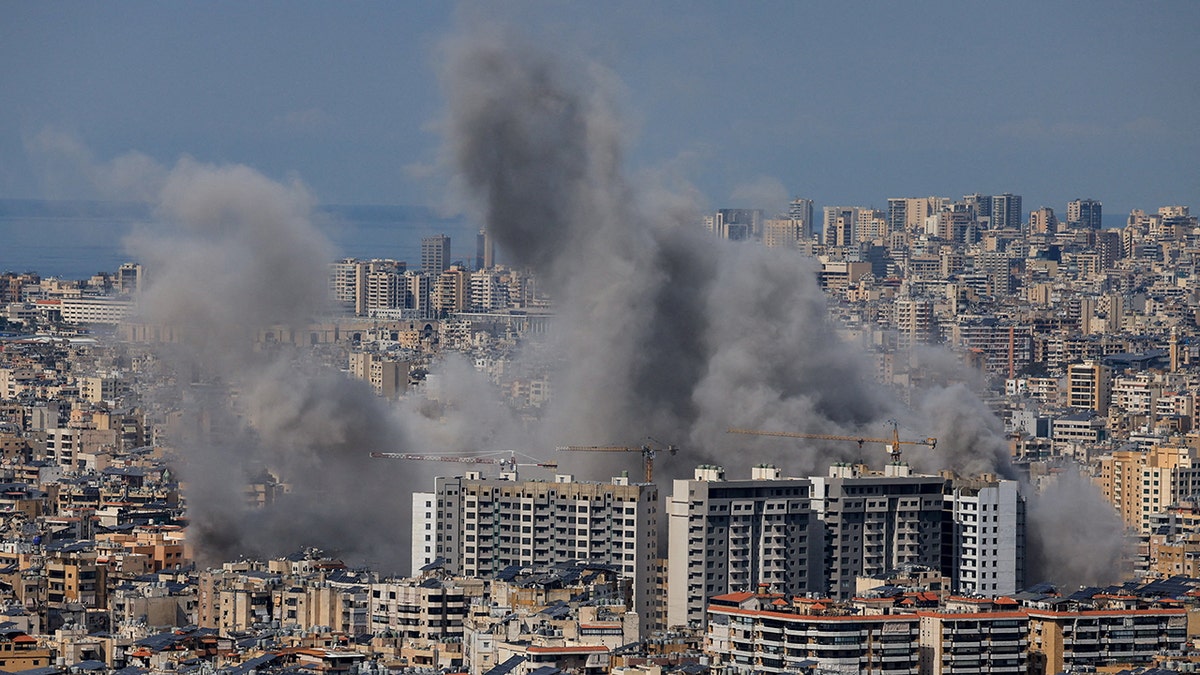
Smoke billows over Beirut's southern suburbs as seen from Baabda Lebanon

Smoke billows over Beirut’s southern suburbs following reported strikes amid escalating conflict involving Hezbollah and Israel, as seen from Baabda, Lebanon, on March 6, 2026. (Mohamed Azakir/Reuters)

The dismantling of the factory follows a high-profile decapitation strike against the leadership running these hidden networks.

The IDF announced Friday that an airstrike in Lebanon killed Hezbollah’s chief explosives engineer, Abed Harb, the commander of Hezbollah’s engineering unit, after he “attempted to harm” Israeli soldiers.

The military said Harb was a veteran commander responsible for “numerous attacks against IDF soldiers” over the decades.

When considering the expertise required to manage such operations, Reese observed: “Over a 20-year career, this is difficult to say. Given Iran’s well-known funding and support to Hezbollah and its experience fighting the Israelis in multiple conflicts, he likely had a mix of internal and external training combined with combat experience.”

“Harb was targeted as part of an effort to disrupt Hezbollah’s war-making infrastructure and limit its ability to continue to plan and execute large bombing operations against the IDF and civilian targets.”

“The loss of Abed Harb by Hezbollah is not just a loss of leadership but of institutional knowledge,” Reese added.

“His two decades of battlefield experience were significant to Hezbollah not only because of his bomb-making abilities but because of how he understood the IDF, Hezbollah, and the junior ranks.

“As a member of Hezbollah since 2006, Harb likely had significant skills in making and disguising bombs over a 20-year career, which will be a blow to Hezbollah’s operational capabilities and infrastructure,” Reese said.

–>

Leave a Reply

Your email address will not be published. Required fields are marked *