The astonishing and unexpected success of “Obsession” at the box office seems almost magical, as if someone at Focus Features cast a spell to propel it to fame. This horror sensation, which nobody anticipated, marks the directorial debut of Curry Barker, a former YouTube sketch comedian. The film made its first appearance at the Toronto Film Festival in September 2025, where Focus Features acquired global rights for an impressive $15 million. With a modest production budget ranging between $750,000 and $1 million, the film recouped its costs even before gracing theaters.
Prior to its release on May 15, expectations were modest, with predictions estimating an $8-$10 million opening, typical for many critically acclaimed indie horror films. However, “Obsession” shattered these projections, raking in $17 million during its debut weekend. This remarkable start was driven by a blend of positive reviews and enthusiastic word of mouth, quickly setting new records.
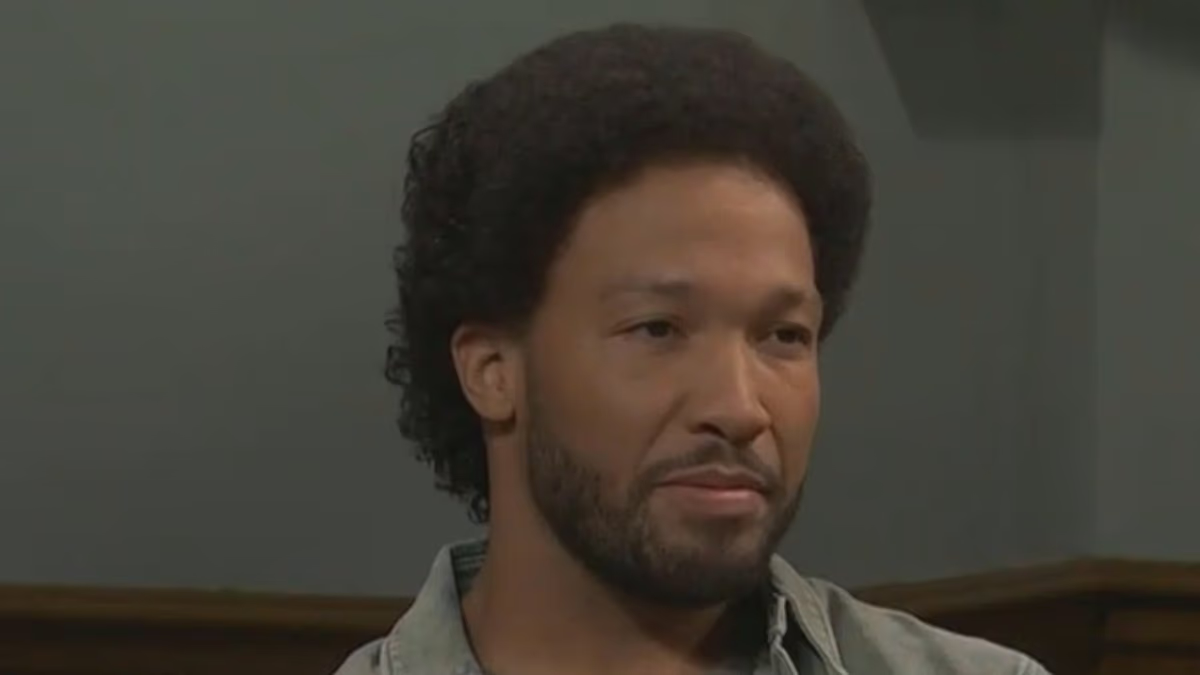
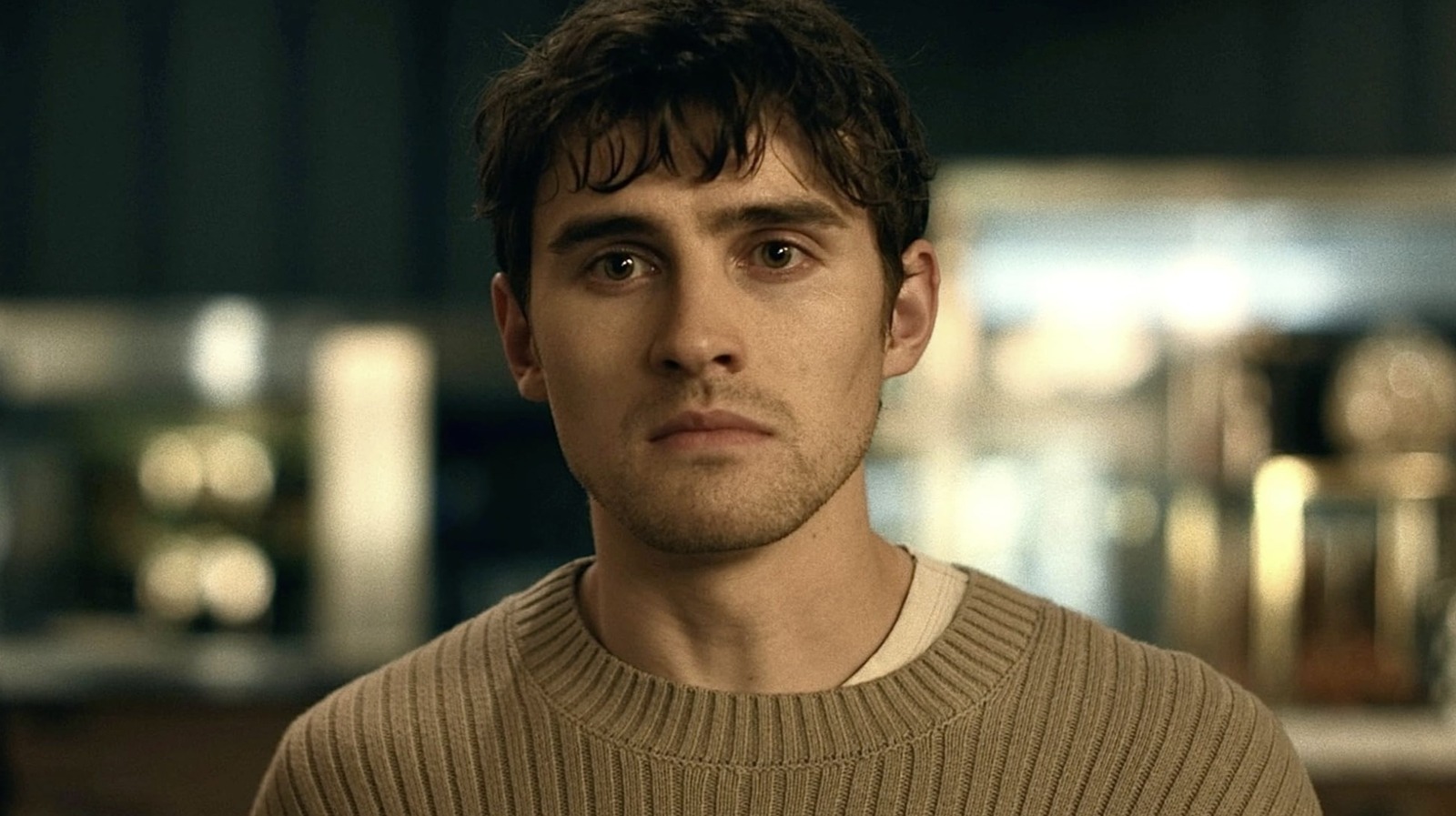
Nearly a month post-release, “Obsession” continues its momentum. Despite the debut of larger films like “Backrooms,” “Scary Movie,” and the underperforming “The Mandalorian and Grogu,” which each briefly claimed the top spot, “Obsession” consistently reclaimed its position. The film’s gripping tale of Bear (Michael Johnston) and his ill-fated wish for coworker Nikki’s (Inde Navarette) love has captivated audiences, surpassing the season’s anticipated blockbusters.
Let’s delve into the incredible box office figures and explore what makes this film a standout hit.
While “Obsession” has experienced decent international success, its primary earnings come from the U.S., with $161.2 million amassed domestically compared to $73.3 million overseas. The global total could potentially reach $400 million by the end of its theater run, though international earnings are somewhat hindered by strict ratings. In the U.K., for instance, despite strong word-of-mouth and over £10 million in revenue, the film’s restrictive 18 rating, equivalent to an NC-17 in the U.S., limits its financial potential.
In the U.S., “Obsession” defied expectations over Memorial Day weekend, achieving a 39% increase to earn $32 million over four days—the largest rise for a wide release outside the Christmas season. By its third weekend, it surpassed the previous top film, “The Mandalorian and Grogu,” marking a rare achievement. It became the first film since 1982’s “E.T.: the Extra-Terrestrial” to see box office growth over three consecutive weekends, a remarkable feat for a dark, R-rated horror movie with a grim conclusion.
What has Obsession made at the box office?
Although it’s hardly flopped internationally, the vast majority of the “Obsession” box office so far comes from the USA: $161.2 million in North America, compared to $73.3 million overseas. While the full worldwide run could go as high as $400 million by the time it leaves theaters, the lower numbers internationally could be due to more restrictive ratings. In the U.K. for example, while it’s become a word-of-mouth hit with over £10 million banked so far, a highly restrictive 18 rating (the country’s equivalent to an NC-17) due to excessive violence puts a ceiling on how much it can rake in.
Domestically, the movie started bucking trends over Memorial Day weekend, when it shot up by 39% to make $32 million across the four days — the biggest increase for a wide release movie ever outside of the Christmas season. On weekend three, it overtook the previous week’s No. 1, “The Mandalorian and Grogu,” and shot up again, becoming the first film since 1982’s “E.T: the Extra-Terrestrial” to see increases on three consecutive weekends, a major feat considering that was a family-friendly blockbuster, and this is a dark R-rated horror film with a bleak ending.
It decreased slightly on weekend four but still held strong, becoming Focus’ highest-grossing film both domestically and worldwide (beating the first “Downton Abbey” movie), as well as becoming the highest grossing movie a studio has ever picked up from a film festival. For 22 years, that record was held by Michael Moore’s “Fahrenheit 9/11,” which made a whopping $222 million in 2004. By the time you’re reading this, “Obsession” will probably have broken a few more records.
Horror is experiencing a box office resurgence
Horror movies may open strongly, but more often than not tend to have bad word of mouth that causes them to crash the next weekend. That wasn’t the case with “Obsession,” which became one of only six horror movies since 2019 to score an A- or higher with opening weekend audiences polled by Cinemascore, including “Sinners” (which scored an A, an all-time best for original, R-rated horror) and “Weapons,” which nabbed an A- last summer. Other horror titles with high scores have been part of franchises with built-in audiences, like “A Quiet Place: Part II” or “Five Nights at Freddy’s.”
Why is this relevant? All those movies became huge hits, with the first two riding their positive buzz right through to the Oscars, and producer Jason Blum — who helped bring “Obsession” to screens — believes that the success of more conventionally crowd-pleasing horror in turn helps grow the appetite for weirder, wilder horror amongst younger audiences. He recently told Variety, “There’s a new generation of moviegoers who are declaring a very specific taste for horror movies that is quite left-of-center,” with the article also noting that 75% of audiences seeing “Obsession” in the first couple of weeks were between the ages of 18 and 25.
In short, a new generation of horror fans who got into the genre via the likes of “Sinners” and “Weapons” are now looking for bigger shocks, and a nasty thriller like “Obsession” (and the equally unconventional “Backrooms”) scratches that itch. Young audiences newly acclimatized to the genre are destroying the notion of what a crowd-pleaser can be as they are proving to be hungry for more extreme scares — and more movies to watch that are as dark as “Obsession.”
The story is relatable
There are plenty of extreme horror movies making their way into cinemas from indie distributors of late — why has this one broken out on such a major level? The answer is simple: strip away the supernatural elements, and this is a highly topical movie that resonates strongly with young audiences because of its depiction of gender dynamics.
Male audiences made up most of the box office on opening weekend (by 59% to 41%), but that’s increasingly skewed female as more find out that the film offers a very timely commentary on the “Manosphere” and how it targets lonely men, with Bear becoming an increasingly irredeemable character as he refuses to break his wish and keeps the real Nikki suffering.
Many young women have written online about their love for the movie because it reflects abusive relationship dynamics they have unfortunately been a part of, with the supernatural allegory helping to illustrate how damaging it is to be stuck with a coercive, toxic partner. It doesn’t let Bear off the hook for his actions (even going as far as showing him assaulting a partner who literally can’t consent), and the ending is far from cathartic. But rather than repulsing people, it’s drawing them in due to its exploration of a worrying aspect of Gen-Z dating and the modern gender divide that other films have been too reluctant to dive into. It speaks to the moment in all its ugliness and lets audiences unpack their own prior experiences in relation to the horrors they’ve just witnessed.
It’s a movie for Gen-Z, by Gen-Z, about Gen-Z
Here’s another reason why “Obsession” has struck such a chord with young audiences: strip away the supernatural One Wish Willow and its disastrous consequences, and you’ll see one of the most authentic, lived-in depictions of Gen-Z life in the movies. It’s easy for younger viewers to see themselves in this story when the characters are similarly working dead-end retail jobs, not making enough money for anything but their weekly trivia night bar trip, and still dreaming of departing the dead-end towns they’ve said they’d leave for years after their high school graduations.
Even their living situations reflect the financial insecurity of this generation without putting too fine a point on it, with these twentysomethings either still living with their parents or in shared rentals. Only Bear lives alone, and that’s only because it’s suggested that his grandmother left him the house in her will. These are all small details, but together, they showcase an authenticity that could only have come from a young filmmaker in that age bracket, which makes it easier to buy into the high concept once it’s introduced.
“Backrooms” director Kane Parsons may be much younger, but his film is an early 1990s period piece starring older characters, making “Obsession” the only film currently in the multiplex that offers something of a mirror to modern life for young Americans. The ages of these characters aren’t particularly relevant to the story itself but are still a crucial factor in why this has been an overwhelming success with young audiences: a filmmaker of their generation can depict their lives with an authenticity a seasoned Hollywood director can’t.
There is already early Oscar buzz
It’s June, which means no sane person should be making Oscar predictions for at least another six months, but “Obsession” appears to be following the same trajectory as both “Sinners” and “Weapons” last year. Growing numbers of online film fans are speculating that this could ride a wave of buzz all the way to Oscar nominations and possibly even a couple of wins. But take that with a pinch of salt for now: This is Barker’s first theatrical credit after an even cheaper YouTube found footage horror movie and stars a cast of relative unknowns. It may get on Oscar voters’ radars, but there are bigger hurdles to cross to get them nominations, regardless of how deserving they might be.
Oscar buzz may not change the minds of those who actually vote for awards — especially this early in the year — but “Obsession” does have a major advantage: it’s getting audiences who may not be horror fans to buy a ticket. As with “Sinners” or “Get Out,” the overwhelming buzz has helped it break out beyond the gorehound demographic and attract the kind of viewers who would otherwise be allergic to seeing someone’s head get repeatedly smashed onto a brick. Viral discussions of the weighty, timely themes have also helped it get taken more seriously than horror movies often do, along with the singling out of Navarette’s transformative, breakout performance; if chatter on social media is anything to go by, there’s no chance she’s missing the best actress lineup come 2027.
There are Obsession memes

Focus Features
You know that a movie has truly captured the zeitgeist when memes start cropping up — but when it’s a movie this small, they spread the word further, rather than just speak to the echo chamber of those who have already seen it. Aided by the vaguest awareness of the movie itself, images of Nikki with either a forced, exasperated smile or a sinister frown have become viral reaction shots easily adapted to any small quibble in a relationship. Been told you’re overthinking something, or haven’t had a reply to a text they read hours ago? Breakdown Nikki barely holding it together says everything you can’t.
Before the movie has even arrived on VOD or streaming, many of its scenes have already generated highly memeable TikTok reaction sounds too, with Nikki repeating “no” in the restaurant scene being used in videos by more than 10,000 users and counting, proving relevant to everything from not wanting your partner to go home to asking someone at the theater to turn their cell phone off. It’s even caught the attention of A-list site users too, with Olivia Rodrigo posting a self-deprecating video using the sound after someone pointed out how much she talks about being in bed in her lyrics.
Out-of-context clips can sometimes kill a movie, but this sound has done the opposite and highlighted the ratcheting intensity of Navarette’s performance in an easily digestible way. It’s the rare meme that’s raised interest rather than turning the movie around it into a laughingstock.