
Mould is a common problem in households, particularly in areas like kitchens, bathrooms, and laundry rooms. Over time, it can accumulate and become not only an eyesore but also a health hazard.
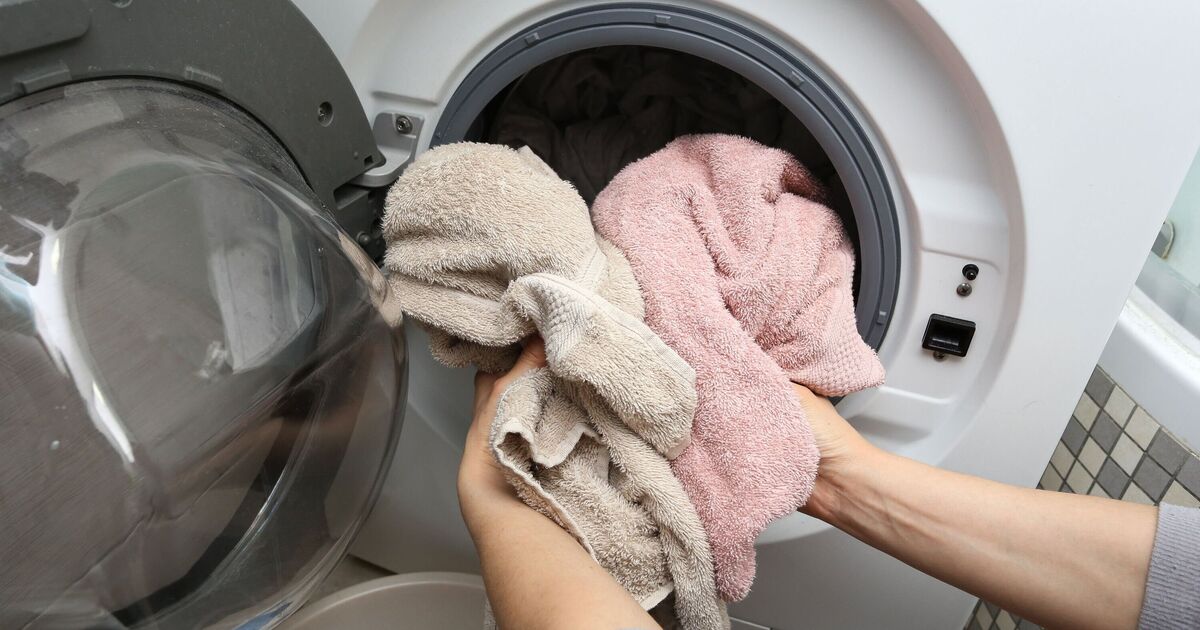
In a recent Reddit discussion, a user sought advice on how to tackle mould in their washing machine. They wrote: “Hello everyone, I’m currently renting and our washing machine seems to have a sulphur smell while running, and there’s mould on the seal. I believe there’s also mould inside the seal where water collects. What’s the easiest way to remove this without damaging the machine?”
Many participants in the thread recommended an everyday kitchen staple: vinegar. One user mentioned, “While bleach can kill mould, experts suggest vinegar is more effective. Unlike bleach, vinegar tackles mould at its roots, reducing the chance of it returning. Plus, vinegar is less toxic, making it a safer choice for household use.”
Preventing and removing mould is crucial for a healthy home environment, as well as for keeping clothes fresh and appliances in top condition. Experts advise cleaning the rubber seal of your washing machine with a mildew remover or vinegar. Running a sanitizing cycle with a homemade cleaner and applying a baking soda paste to the seals can also eliminate mould spores and unpleasant smells. Letting the paste sit for an hour can absorb musty odours effectively.
To avoid future mould issues, prevention is key. Make sure to let your washing machine dry out completely between uses to keep it mould-free.
Five Warning Signs of Mould
- Discolouration and visible growth: This might be black, green, pink, or fuzzy white patches.
- Damp, earthy smells: One of the most common signs of mildew or mould is a musty-smelling house.
- High humidity and dampness
- Blistering or peeling paint and wallpaper: Before you fix peeling paint or wallpaper in your home, consider why it is blistering or peeling in the first place. Unless you have snagged it, the chances are mould is the culprit.
- Allergy symptoms: Mould is one of the most common allergens that plagues homes.
Home and Garden said: “To get rid of mould and mildew for good, you’ll need to firstly identify and dry out the sources of moisture, using your best dehumidifier or fans, repair any leaks, stop condensation on windows, and adopt daily habits for a mould-free home, such as turning on exhaust fans after showering or cooking, opening your windows, sealing gaps, and ensuring items are dry before putting them away.”
A spokesperson for Bio-D said: “Simple habits such as ventilating the drum and drawer between washes makes a noticeable difference in preventing foul smells and mould from developing all year round, but particularly during the intense hot spells that the UK often experiences during the summer when fluctuating temperatures and humidity levels can create damp conditions where mould and mildew thrive.
“Leaving the washing machine door and detergent drawers open for several hours after each cycle allows the trapped moisture to fully escape without having to use harsh chemicals. Combined with regular wiping and occasionally running a hotter maintenance wash, these small preventative steps can help keep washing machines fresher and cleaner for longer.”


