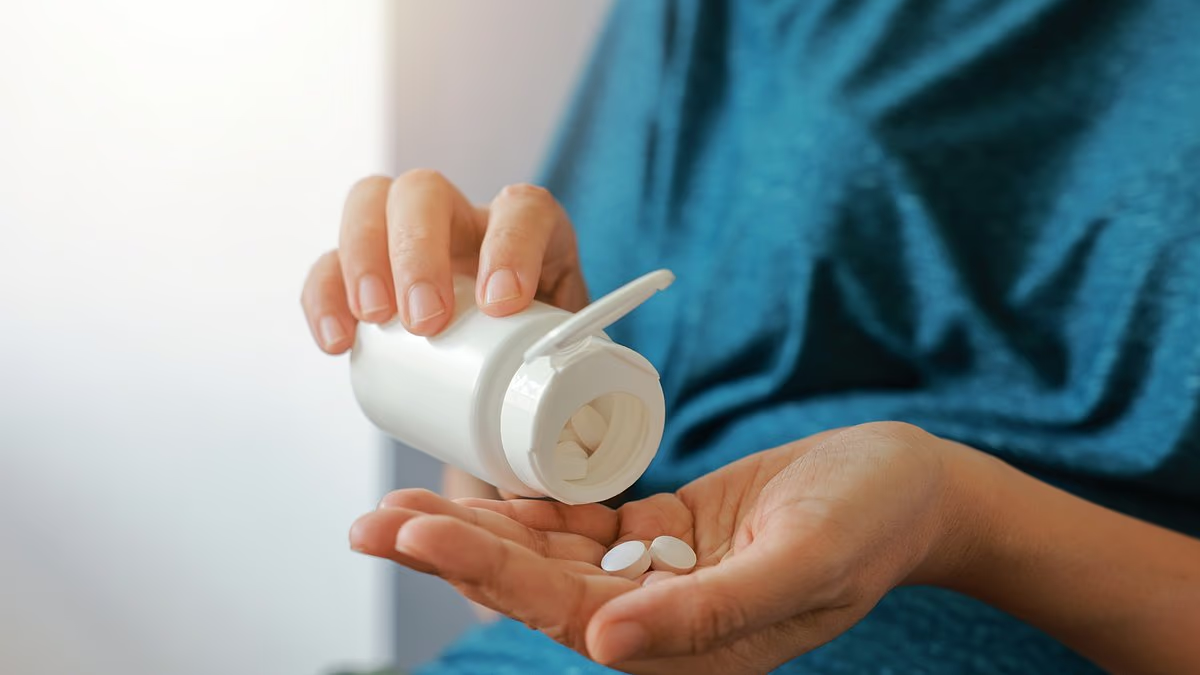

A widely used over-the-counter pain reliever has emerged as one of the leading substances associated with liver injury and damage, according to new research.
Researchers in Virginia reviewed 25 years of poison center call data involving liver injuries tied to medications, alcohol, supplements and other substances. Across that period, reports rose by nearly 400 percent overall.
Acetaminophen — the active ingredient in Tylenol — was identified as the substance most frequently linked to liver injury during the study period.
Dr Christopher Holstege, the emergency medicine physician who led the study, said: ‘Liver injuries reported to US poison centers have steadily increased.
‘The public should be aware of potential liver injury with various substances that are readily available to consumers.’
Millions of acetaminophen doses are bought in the US each year, with the painkiller commonly used for muscle aches as well as relief from cold and flu symptoms.
The FDA says acetaminophen is safe and effective when used as directed, advising adults not to take more than 1,000 milligrams (mg) every four to six hours.
However, the agency warns that higher doses can accumulate in liver cells, raising the risk of serious and potentially irreversible organ damage.

Acetaminophen, the active ingredient in Tylenol, was found to be the most common substance linked to the injury throughout the study period
The liver is one of the vital organs in the body, responsible for filtering waste out of the blood and generating essential chemicals.
Warning signs of an acetaminophen overdose include nausea, vomiting, abdominal pain, confusion and jaundice, or a yellowing of the skin and the whites of the eyes.
In severe cases, the damage may lead to needing a liver transplant or could result in death.
In the study, researchers analyzed data on 220,000 cases of xenobiotic liver injuries, injuries to the liver caused by substances not typically found in the body, reported to the poison control system from 2000 to 2024.
Over the study period, the rate of liver injuries from all causes increased from 10.9 per million to 52.9 per million – more than quadrupling.
Annually, there were 2,400 cases of liver injury from toxic substances reported in 2000. By 2021, however, that number had surged to 14,500 – an increase of 500 percent overall.
More than 80 percent of cases reported required hospitalization. Death was reported in about six percent of cases.
Acetaminophen was the most common substance to cause injury, behind 45 percent of liver injuries reported among women and 33 percent of those among men.
Injuries from the drug dropped in the 2010s after health officials reduced the number of products containing acetaminophen in combination with other drugs on the market, but continued to increase afterward.
Medications that contained acetaminophen in combination with other drugs included those that were acetaminophen with hydrocodone and acetaminophen with oxycodone.

The above graph shows cases of xenobiotic-induced liver injury (XILI), or cases of liver damage that were caused by substances not found in the body
Alcohol – which is typically linked to liver injury – was reported to be a ‘distant second’ cause.
In the study, it was behind 19 percent of liver injuries reported among men and 13 percent of those recorded among women.
Other causes of liver injuries included dietary and herbal supplements and environmental toxins – although these were much less common.
Researchers said suspected suicide using acetaminophen was the most common reason for a liver injury in both males and females.
In some cases, however, it was also linked to accidental overdoses, where people took acetaminophen and then another drug that they did not know also contained acetaminophen.
Holstege added: ‘Liver injuries reported to poison centers have increased substantially over the past 25 years, with acetaminophen emerging as a growing contributor.
‘Our study findings highlight the important role poison centers play in toxico-surveillance.’
He added: ‘Medications should always be taken as directed by clinicians and according to pharmaceutical label instructions.
‘Care must also be taken when consuming emerging substances that are unregulated. More studies are warranted to determine if specific populations are more at risk of liver injury.’
The study is set to be published in the journal Clinical Gastroenterology and Hepatology.


