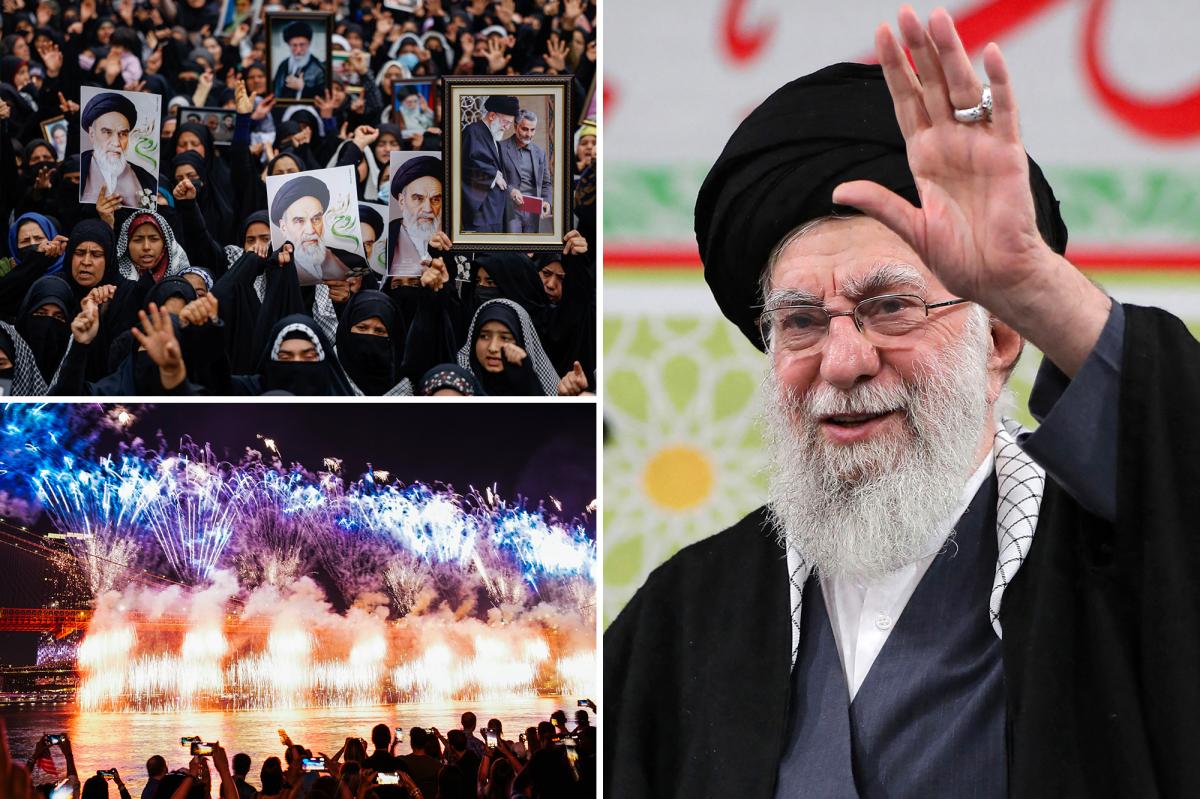


Iran has set July 4 as the start date for state funeral ceremonies for Supreme Leader Ali Khamenei, placing the opening of the memorial events on the same day the United States marks its 250th anniversary.
Khamenei was killed on Feb. 28 when US and Israeli airstrikes hit his compound in Tehran, an attack that triggered the Iran war. Iranian authorities delayed public funeral proceedings for more than three months, citing concerns about the risk of further strikes.
With a peace agreement reportedly expected within the next 24 hours, Iranian state media has now released plans for the 86-year-old cleric’s burial ceremonies.
According to the announced schedule, three days of funeral observances will begin July 4 in Tehran at the Imam Khomeini prayer hall, named for the founder of the Islamic Republic. A funeral procession is then set to take place on July 6.
A separate funeral ceremony will follow on July 7 in the holy city of Qom, south of Tehran.
Then on July 7, another funeral ceremony will be held in the holy city of Qom, south of Tehran.
The proceedings will conclude with a burial in Khamenei’s hometown, the northeastern holy city of Mashhad, on July 9.
Khamenei, who was the leader of the Islamic Republic for 36 years, will be buried at the shrine of Imam Reza, a holy place for Shiite Muslims.
Funerals for his daughter and son-in-law, who were also killed in the deadly Feb. 28 strike, will be held on the same day.
Despite Islamic law requiring the dead be buried within 24 hours ideally, the Islamic Republic is believed to have avoided Khamenei’s funeral for so long for fear of potential airstrikes, nationalist counter-rallies similar to the nationwide uprisings earlier this year, and the regime’s need to explain the absence of his son Mojtaba Khamenei.
The younger Khamenei’s son was severely disfigured in the strikes that killed his father and has not been seen in public since his appointment. It is unclear whether he’ll be attending the ceremonies.
The Islamic Republic initially planned a three-day state funeral beginning on March 4, but it never materialized once the country was rocked by large-scale Israeli and US bombing campaigns.
With Post Wires


