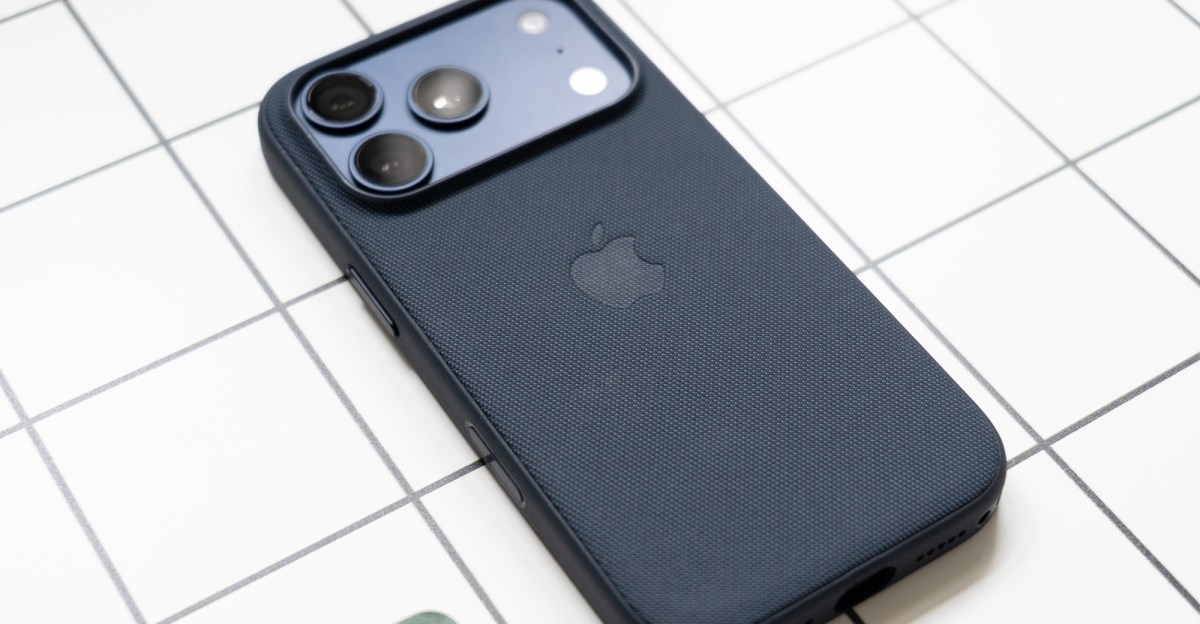

Apple CEO Tim Cook has not said when the company might raise prices or exactly which devices would be affected. Still, Apple has already made some notable lineup changes: it stopped selling the Mac Studio configuration with 512GB of RAM in March and later increased the Mac Mini’s starting price to $799 after removing the lower-cost $599 version. Analyst Tim Culpan has also suggested Apple may drop the entry-level MacBook Neo configuration while keeping a $699 model with 512GB of storage.
Demand from AI companies for larger amounts of memory in massive data centers is putting heavy pressure on suppliers, which are struggling to keep pace. That squeeze has pushed up the cost of RAM and storage, contributing to higher prices for products ranging from game consoles to laptops and other consumer electronics.
“There’s less supply at a time when consumers want devices and the memory guys are passing along huge price increases,” Cook told The Wall Street Journal. “We definitely need memory pricing and supply to return to reasonable levels for consumer products.”
Apple is expected to unveil its next iPhone lineup later this year, but the extent to which the memory crunch could affect pricing remains uncertain. According to The Wall Street Journal, the upcoming iPhone 18 Pro could be priced at $1,299, up from the iPhone 17 Pro’s $1,099 starting price.
Apple is getting ready to take the wraps off its latest lineup of iPhones later this year, though it’s unclear how big an impact the memory shortage will have on pricing. The WSJ estimates that the upcoming iPhone 18 Pro could cost $1,299, a jump from the $1,099 iPhone 17 Pro.