
On this Father’s Day, contributor Charles Blow reflects on what it means to come of age without a father:
I understand the ache of a father’s absence — the empty space it carves into a boy’s life where a dad is supposed to be.
My mother and father separated when I was five. What the breakup did not take from him, alcohol eventually did. In my childhood, he appeared less like a steady parent than a disruptive figure who would sometimes arrive late at night, jolting us awake, smelling of liquor, speaking too loudly and shattering the quiet as he made his way home after being out.
Still, I was fortunate. Other men gathered around the space he left behind — grandfathers, uncles, neighbors and coaches who offered discipline, direction and examples of calm strength and possibility. They showed me the kind of manhood boys often need to see in the men they may one day become.
I have long wished that every boy in similar circumstances could have that same lifeline: a circle of men helping him find his way forward.
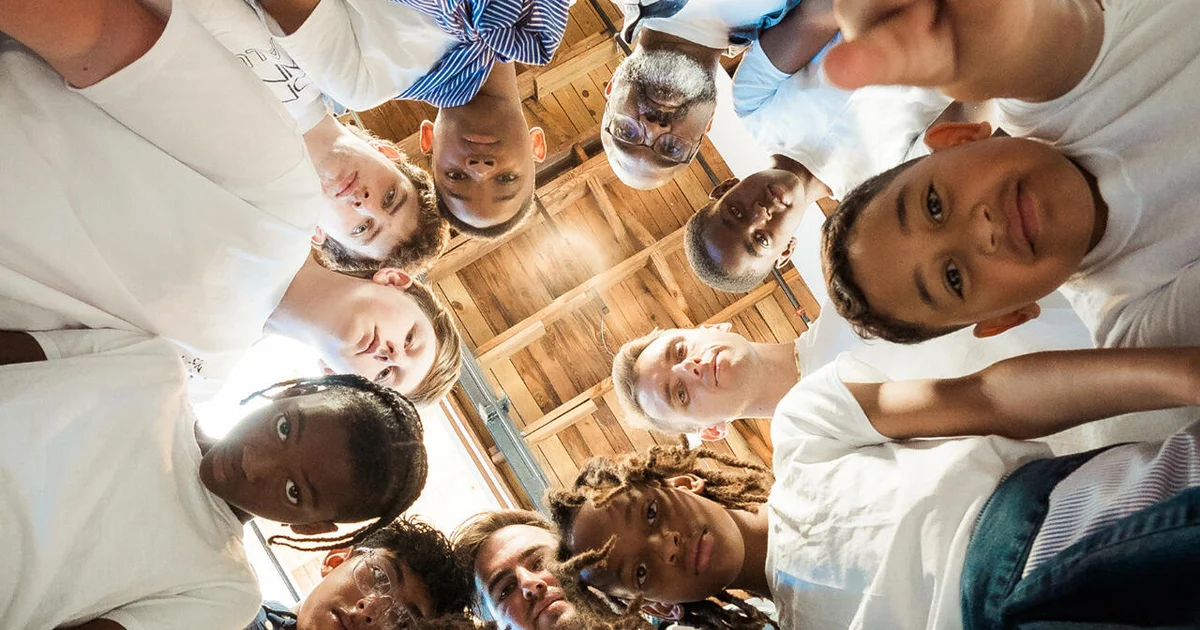
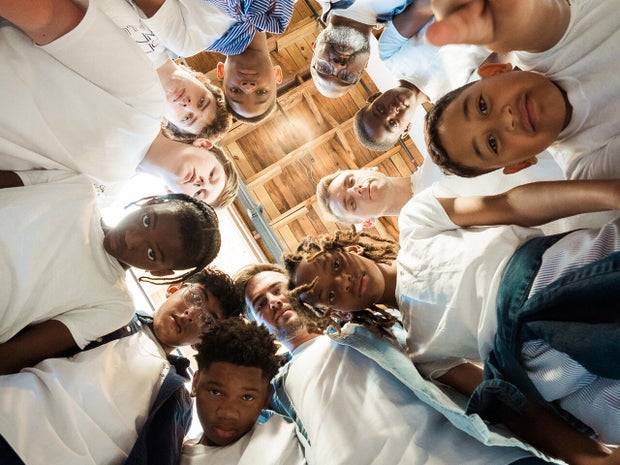
That is why I was so struck when I learned about Son of a Saint, a New Orleans organization built around exactly that purpose — especially for boys facing even deeper losses and challenges than I did.
The nonprofit primarily supports boys whose fathers have died or are incarcerated. It was launched in 2011 by Bivian “Sonny” Lee III, whose father, a former New Orleans Saints player, died when Sonny was just three. Lee has devoted the organization to changing the trajectory of boys who remind him of himself.
Meghan Langley/Son of a Saint
READ MORE: Justin Gaethje Catholic? Religion Family Background
Earlier this month, I toured the group’s headquarters, a strikingly renovated building in the Bayou St. John neighborhood that functions much like a community hub for the organization and the young people it serves. There are classes — cooking is a particular favorite among the boys — along with meetings and other programming. Beyond mentorship, Son of a Saint assigns each boy a case team, working to make sure his needs are addressed across the board, from schoolwork to emotional support.
When I was there, I observed a wellness class: beaming boys competing in teams, learning concepts about their own mental health, free from any judgement or the strictures of a distorted masculinity that frowns on such things.
I sat down with 16-year-old twin brothers Michael and Robert, who had easy smiles and fidgeted in their chairs the way teenage boys do as they grow into their bodies. They joined the program three years ago, when their dad passed away. They lit up when they told me about the summer camps in the Northeast that the organization paid for them to attend.
I asked each boy I met that day how he celebrated Father’s Day, and almost all of them said they did so with their mentors from the program — the men who stepped into the breach.
For more info:
Story produced by Robbyn McFadden. Editor: Emanuele Secci.