
The developer of a Manhattan high-rise that triggered collapse concerns after buckled columns led to evacuations is pushing back on those fears, saying the damage was limited and never threatened the building’s overall stability.
In a statement obtained Wednesday by NBC 4 New York, MetroLoft said it had been working closely with the New York City Department of Buildings to verify that the structure “is now stable” and that crews have “a clear plan to fix” the problem.
“This is a localized situation affecting less than 30 apartments out of over 1,600. At no time was the building, or any portion of it, at risk of collapse,” the statement said.
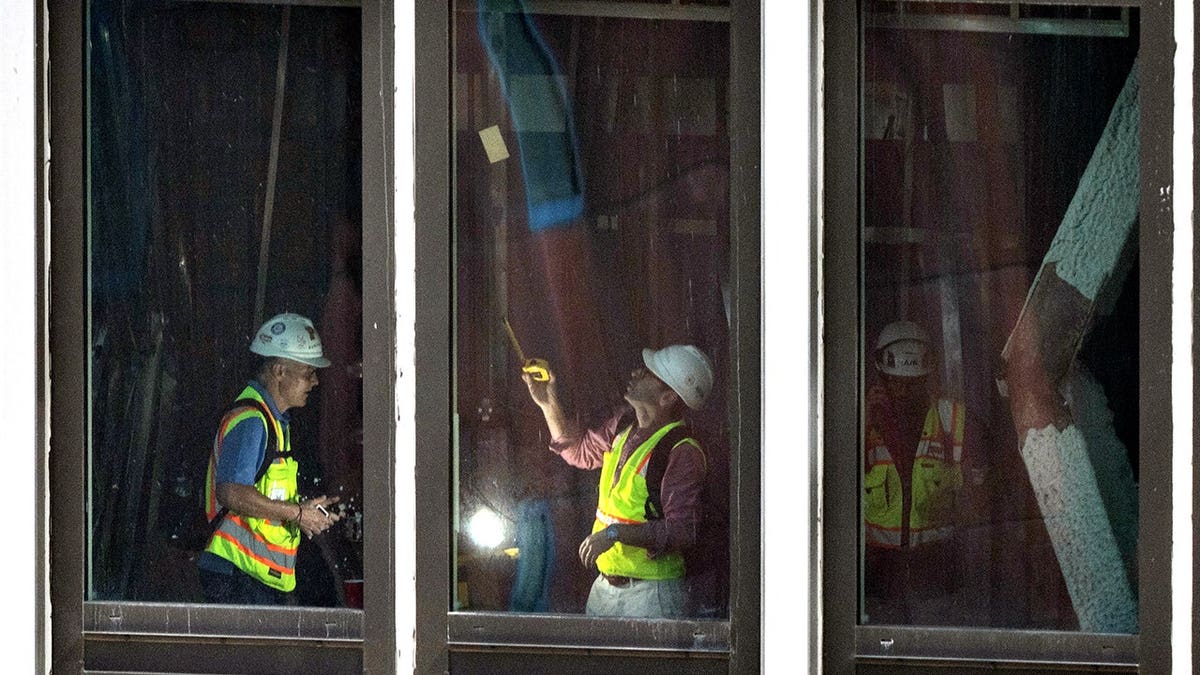
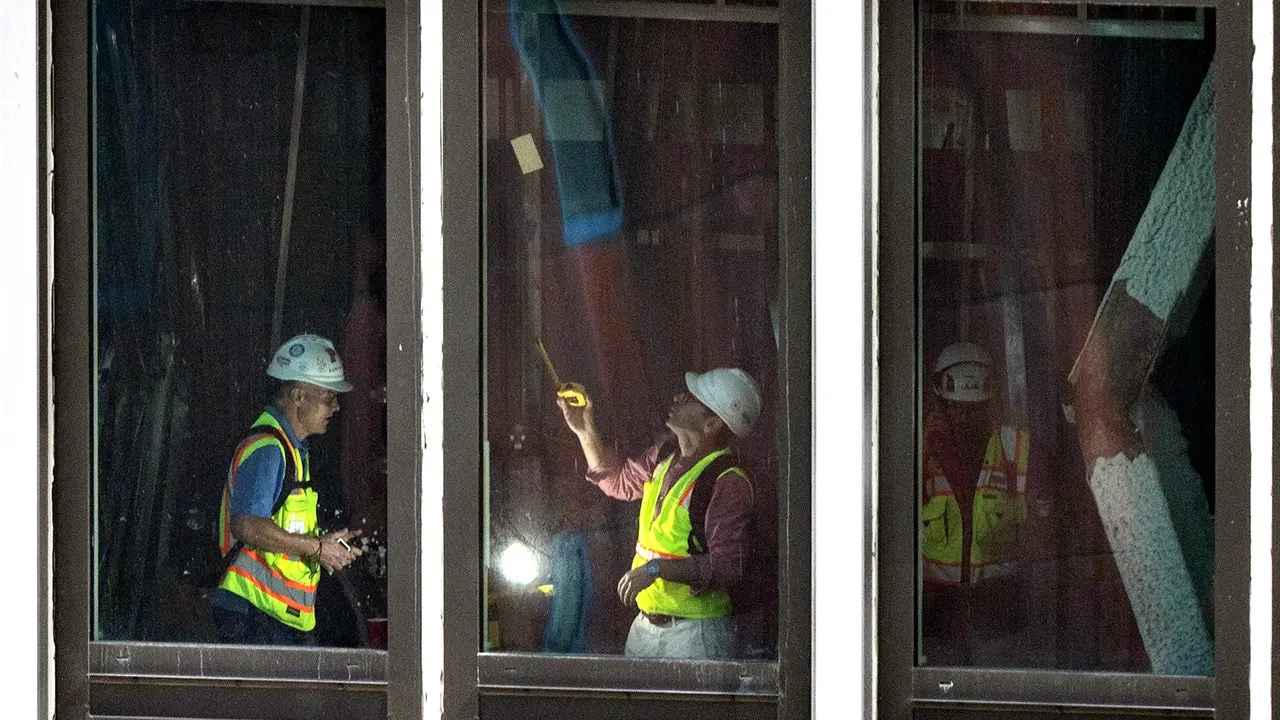
People examine a buckled support beam inside 235 East 42nd Street on Wednesday, July 8, 2026, in New York. (AP Photo/Yuki Iwamura)
The alarm began Tuesday when emergency crews found two buckled support columns and sagging floors inside the 37-story building, leading officials to clear out construction workers as well as residents and occupants from nine neighboring buildings.
MetroLoft founder Nathan Berman told the real estate outlet The Real Deal that accounts suggesting the tower was on the verge of collapse had been “blown a little bit out of proportion.”
“This is a 1.3 million-square-foot project with an issue at the building’s northwest corner,” Berman told the publication, adding that the structure sits on a “huge base that is as stable as anything in the city.” He said the affected area measured about 20 feet by 20 feet and called the issue “very fixable.”

The unstable building at 235 East 42nd Street on Tuesday, July 7, 2026, in New York. (AP Photo/Angelina Katsanis)
Fire officials initially warned of an “extremely dangerous situation” after finding the damaged columns on the 21st floor, though they said the primary concern was “a localized collapse” rather than the failure of the entire 37-story structure.
After emergency crews worked overnight to stabilize the building, Mayor Zohran Mamdani said no additional movement had been detected but vowed to conduct a full investigation into what caused the situation.
Berman said the damage likely occurred because added weight from the ongoing office-to-residential conversion overloaded two columns, calling it a “freak accident” involving supports that may not have been reinforced sufficiently or may have contained an undetected defect.
“That’s it. There’s no mystery, and there’s no magic,” he said.
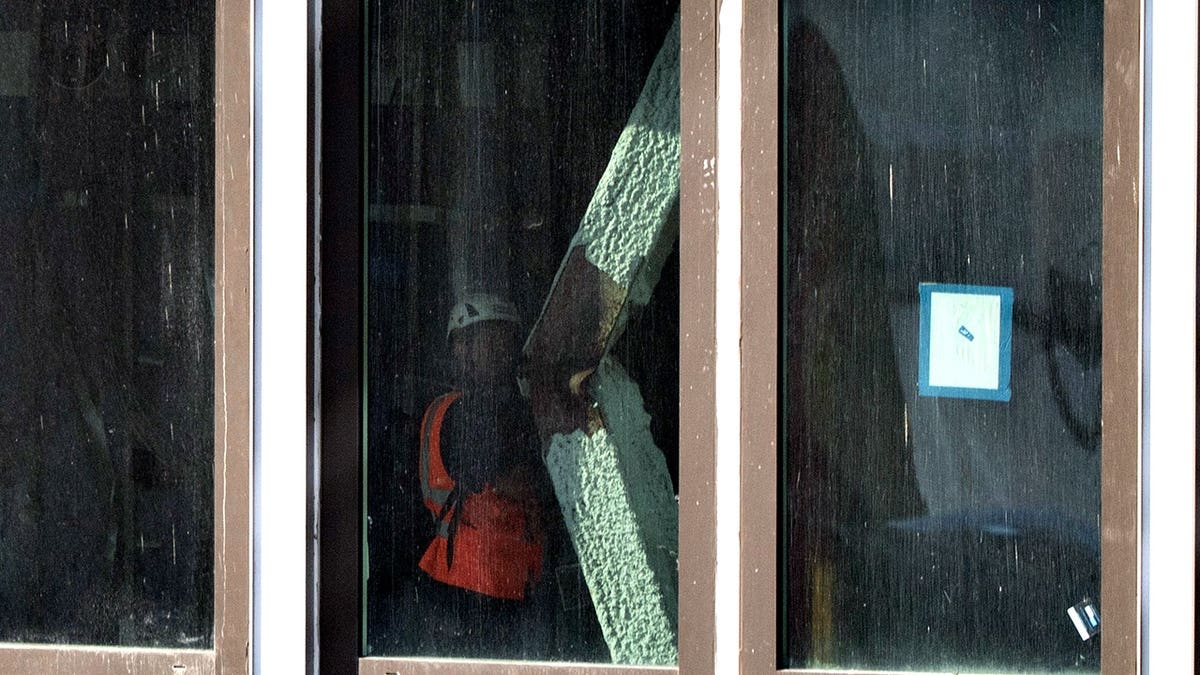
A construction worker looks at a buckled support beam inside 235 East 42nd Street on Wednesday, July 8, 2026, in New York. (AP Photo/Yuki Iwamura)
He rejected claims from a union official that the project lacked enough structural steel, calling the allegation “total nonsense” and insisting the work had been designed and approved by structural engineers.
The project is converting the former Pfizer headquarters near Grand Central Terminal into roughly 1,600 apartments in what is billed as the largest office-to-residential conversion in New York City history.
Berman said replacing the damaged columns and raising the sagging floors should keep the project on track for its planned 2027 completion.