
Walt Disney Studios Motion Pictures
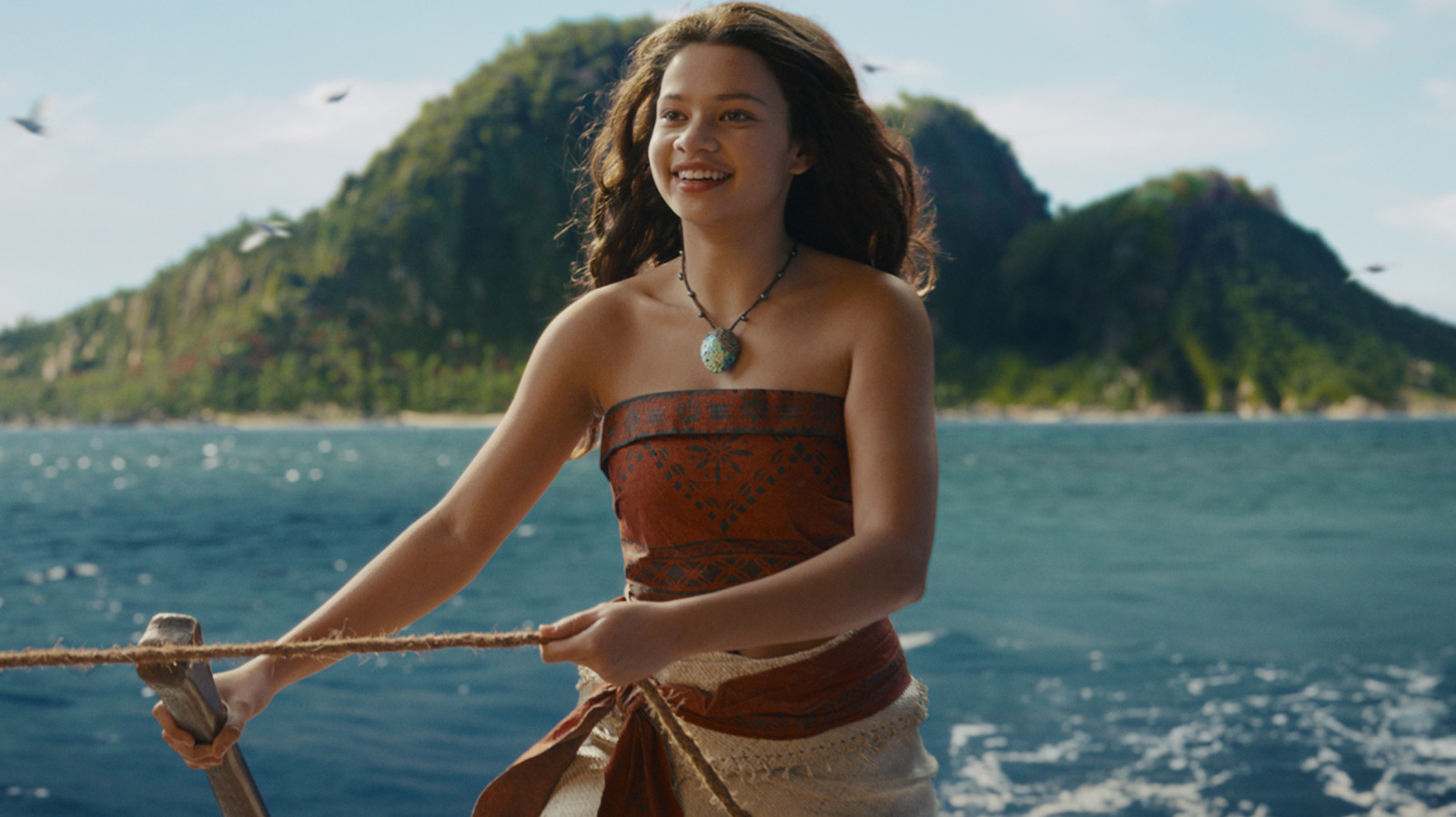
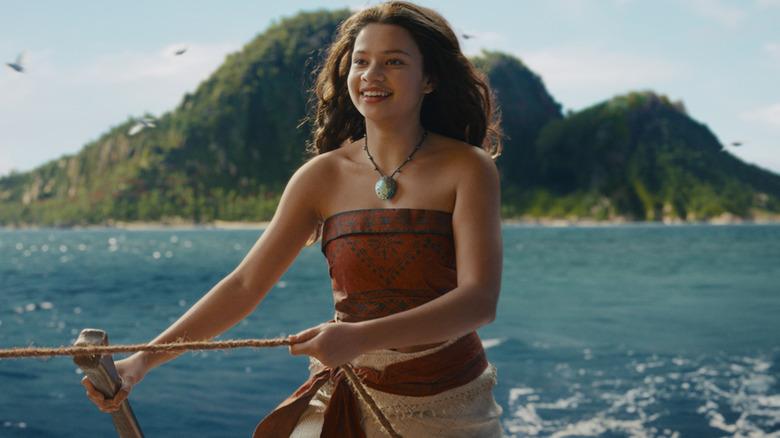
A live-action “Moana” movie has arrived in theaters, and, like many of Disney’s recent live-action reimaginings, it has been met with harsh criticism. Early reactions to “Moana” have not been kind, with critics describing the film as a near carbon copy of the much-loved animated original. That approach has become familiar across Hollywood’s remake machine, from “The Lion King” to “How to Train Your Dragon.”
Occasionally, these films add a new song, expand a scene or insert a bit of dialogue meant to smooth over an old plot issue. But too often, live-action versions of animated classics struggle to justify why they exist at all. Among the many misfires, one remake seemed to predict this creatively cautious era of Hollywood — and audiences largely ignored the warning.
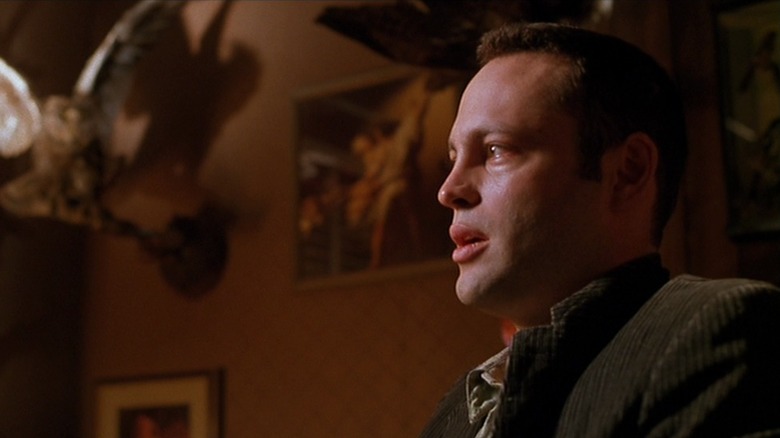
In 1998, Gus Van Sant released his version of “Psycho,” a film that quickly became infamous. Rather than offering a bold reinterpretation of Alfred Hitchcock’s landmark psychological thriller, Van Sant delivered a nearly shot-for-shot remake. Hitchcock’s “Psycho” remains one of the genre’s defining achievements. Van Sant’s version, by contrast, is widely remembered for failing to capture what made the original so powerful, despite reusing much of its dialogue and many of its camera setups. The performances, especially Vince Vaughn’s turn as Norman Bates, have long been a point of criticism.
Because of that, the 1998 “Psycho” often appears on lists of the worst remakes ever made, including Looper’s. Yet for all its notoriety as an unnecessary retread, it also anticipated a major 21st-century trend: remakes that reproduce earlier hits with little fresh perspective. The new “Moana,” which closely mirrors the animated film, fits neatly into that pattern. The irony is that Van Sant himself has acknowledged that his “Psycho” experiment did not really succeed — and audiences seemed to agree, at least until studios began repeating a similar strategy again and again.
1998’s Psycho is a fascinating experiment
Universal Pictures
That does not mean 1998’s “Psycho” is secretly good. But the thinking behind Van Sant’s remake makes it more intriguing to examine than another beat-for-beat retelling like 2026’s “Moana.” Speaking on the “WTF with Marc Maron” podcast, Van Sant reflected on how the film came together and described a Hollywood climate in which studio executives were already wary of original ideas. His proposal was simple and provocative: take a classic, in this case “Psycho,” and remake it as literally as possible.
Van Sant recalled pitching the concept to Universal Pictures by saying, “What you guys haven’t done is try to take a hit and remake it exactly. Rather than remake it and put a new spin on it, just remake it for real,” adding that he had not seen that attempted as an experiment before. That word — experiment — is essential. The question was whether a beloved film could be recreated almost exactly and still generate the same artistic and commercial impact.
The results suggested otherwise. Van Sant’s “Psycho” earned only $37 million against a reported $60 million budget, while Hitchcock’s original grossed $32 million on a budget of less than $1 million. The remake told the same story, but it could not reproduce the tension, shock or cultural force of the first film. That same problem continues to haunt live-action remakes such as “Moana,” which can duplicate familiar moments without recapturing their original magic.
Godfrey Chesire made a point in his Variety review of the “Psycho” remake that Hollywood would do well to remember: “The reason the conceit backfires, basically, is that the original depended on narrative surprises that can’t possibly be surprising now.” The 2016 animated “Moana” may not rely on a shocking twist, but it does have memorable songs, appealing characters and a sense of discovery. By repeating those elements too faithfully, the live-action version risks becoming exactly the kind of creatively hollow remake Van Sant’s “Psycho” once appeared to critique.
Psycho was a warning of things to come
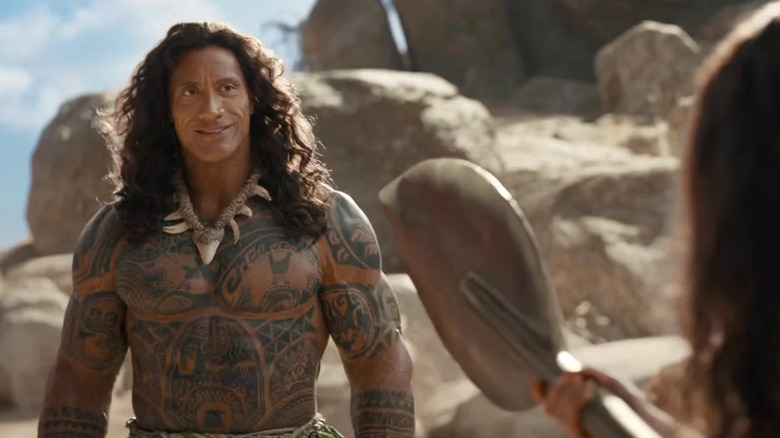
Walt Disney Studios Motion Pictures
Gus Van Sant mostly remade “Psycho” to see if he could. He knew people would be mad, and that was the point. He told Bloody Flicks, “That was part of the experiment, which was to see if remaking a film as close as you could would have an effect. Backlash was thought of as good.”
He received plenty of backlash, but it almost feels as though audiences have become increasingly numb to these types of remakes, as evidenced by them routinely making a billion dollars. The live-action “Lion King” offers nothing new or revelatory about the story, yet it became a major hit. For some reason, the live-action “How To Train Your Dragon” has a 78% rating from critics on Rotten Tomatoes and a 97% from audiences despite being the exact same movie from what came 15 years earlier. And now, there’s “Moana,” where the biggest deviation from the original is that they took out that outdated Twitter joke.
The “Psycho” remake exists to see what audiences would accept from a major studio. The live-action “Moana” exists for a far more cynical purpose of lining Disney’s pockets. There’s at least something to dig into with Van Sant exploiting Hollywood’s desire to play it safe, but there’s nothing of note with “Moana.” It’s a soulless film with no new ideas and thoughts to introduce the story to a new generation.
The same way “Psycho” shocked audiences in 1960, people fell in love with “The Lion King” and “Moana” because they were unique to their times. You can’t recapture that magic again. At least audiences roundly rejected such slop in the ’90s. But with live-action remakes getting high audience scores and decent box office returns, we exist in a coffin of our own making.