The United States is moving ahead with 25% tariffs on imports from Brazil, citing a series of trade practices Washington says have disadvantaged American companies, farmers and workers in dealings with the world’s 10th-largest economy.
Senior Trump administration officials said the duties, initially floated last month, are scheduled to begin July 22. The officials discussed the decision anonymously ahead of a formal notice expected to be published Wednesday night.
The order carves out several categories of goods, particularly products not made in the U.S. or items officials believe could create supply chain problems if taxed. The exemptions cover coffee, beef, oranges and orange juice, select oil and gas energy products, and aerospace parts and components.
U.S. Trade Representative Jamieson Greer said Brazil’s policies have shut American producers out of a major consumer market of more than 210 million people. He pointed to concerns including pressure on U.S. technology companies over political speech, weaker anti-corruption enforcement, and allegations that Brazilian farmers have benefited from illegally cleared land in ways that undercut American agriculture.
Administration officials described the tariff plan as targeted, saying the government aimed to avoid measures that would ripple through the U.S. economy or create shortages in sectors dependent on Brazilian supplies.
The Office of the U.S. Trade Representative reached its conclusion after a yearlong investigation into Brazil’s trade policies. The review cited what it called unreasonable and unfair practices, including insufficient anti-corruption enforcement and Brazil’s own tariffs. Even so, the U.S. has recorded a goods trade surplus with Brazil for years.
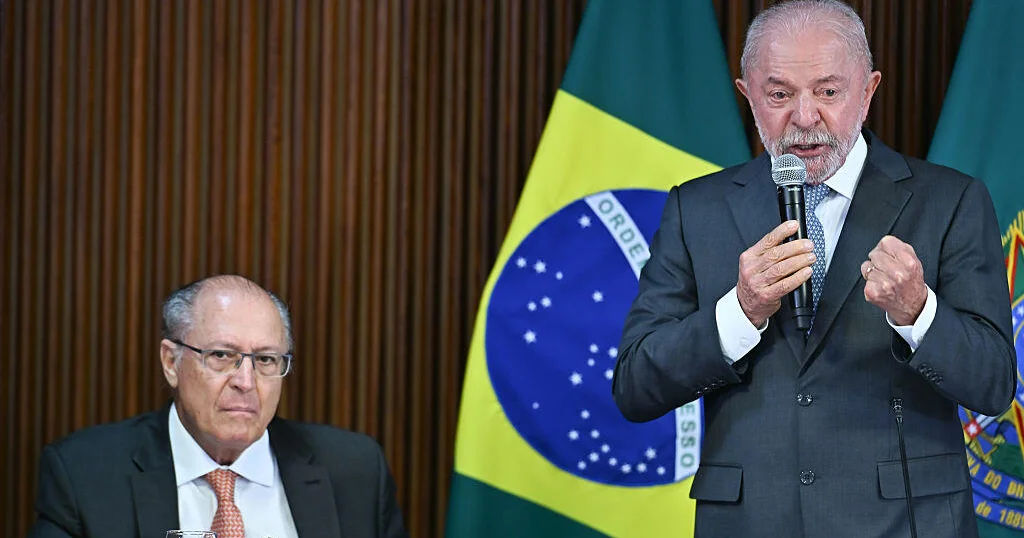
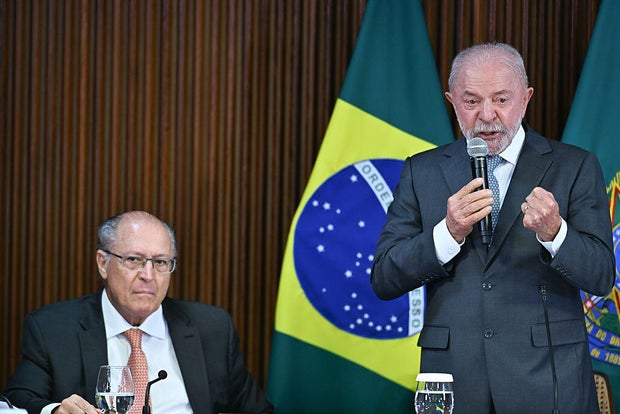
Brazilian President Luiz Inácio Lula da Silva responded sharply when U.S. officials first warned in early June that the tariffs were under consideration. Rather than accepting Washington’s trade-based explanation, Lula suggested political motives were at play, pointing to his October election rival, Sen. Flávio Bolsonaro. Bolsonaro had recently traveled to Washington and is the son of former President Jair Bolsonaro, a close ally of Trump.
Lula condemned the U.S. move in a statement on social media late Wednesday night, denying “the alleged unfair trade practices” and saying, “There is no justification for unilateral measures against our country. According to statistics from the U.S. government itself, the United States has accumulated a surplus of $424.5 billion in goods and services with Brazil over the past 15 years.”
Senior Trump administration officials rejected claims that the move was politically driven. They said the complaints reflect longstanding U.S. concerns about the trade relationship and argued that Brazil had been given ample time to respond. While talks have become more constructive over the past six weeks, officials said the progress has not been sufficient to avoid the new tariffs.
Ton Molina / Bloomberg via Getty Images
The tariffs are being imposed under Section 301 of the Trade Act of 1974, allowing the U.S. to launch the investigation into Brazil’s trade practices.
The U.S. Supreme Court in February ruled against many of Trump’s tariffs imposed under a different law, the International Emergency Economic Powers Act of 1977. The court found he overstepped his authority under that act to impose sweeping tariffs on U.S. trading partners, including Brazil.
Trump had under that law imposed a 50% tariff on Brazil to protest its prosecution of Jair Bolsonaro for trying to overturn his loss in a 2022 election. But Trump’s relationship with Lula seemed to improve in May, when he visited the White House.
In November 2025, the U.S. lifted 40% tariffs it had placed months earlier on Brazilian beef, coffee and other goods, at the time citing progress the U.S. had made in its trade negotiations with Brazil.