
Human remains discovered more than 40 years ago in a shallow grave in Riverside County, California, have now been identified as those of Thelma Gaston, a wealthy real estate investor who disappeared in 1981.
The Riverside County Sheriff’s Coroner’s Bureau announced that investigators used advances in investigative genetic genealogy, supported by dental records, to confirm the victim was Gaston, 80, whose disappearance had once prompted a major Los Angeles murder investigation.
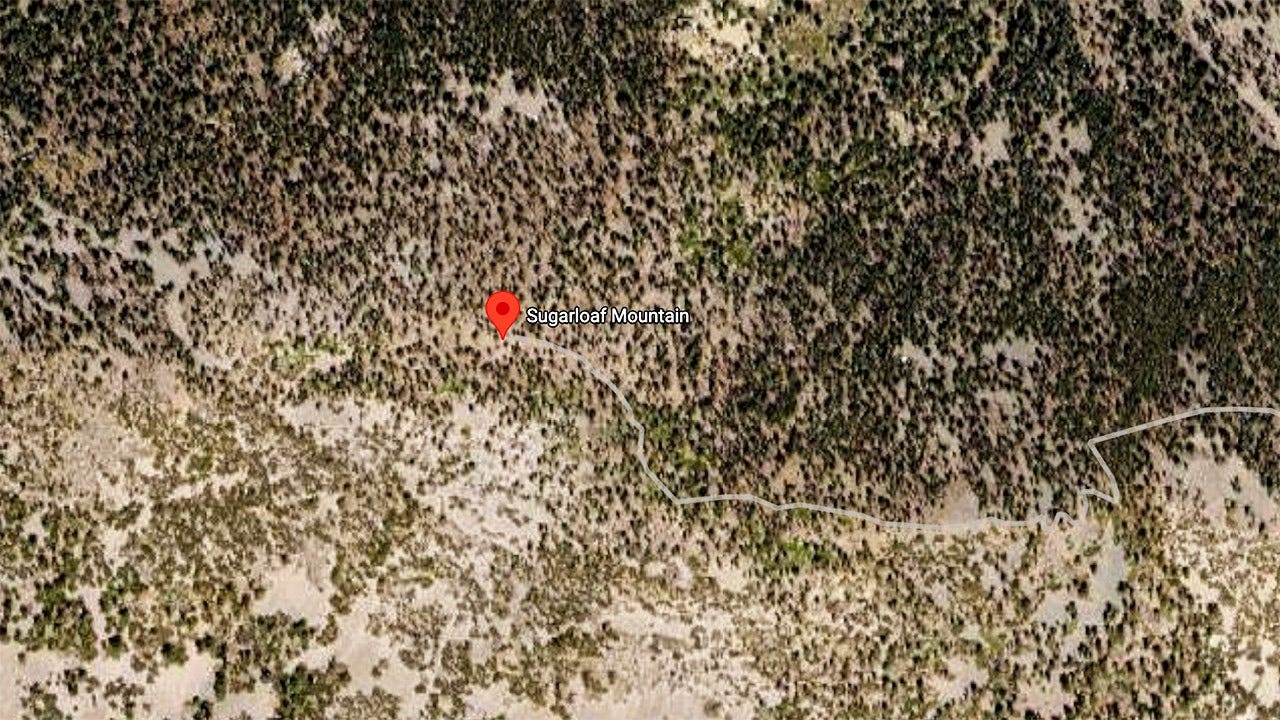
The long-running cold case dates back to Nov. 28, 1981, when a group searching for firewood near Sugar Loaf Mountain came across skeletal remains exposed in a shallow burial site.
Riverside County sheriff’s investigators recovered the remains the next day near Highway 74. But the body was so badly decomposed that, despite extensive efforts at the time, authorities could not determine the woman’s identity.
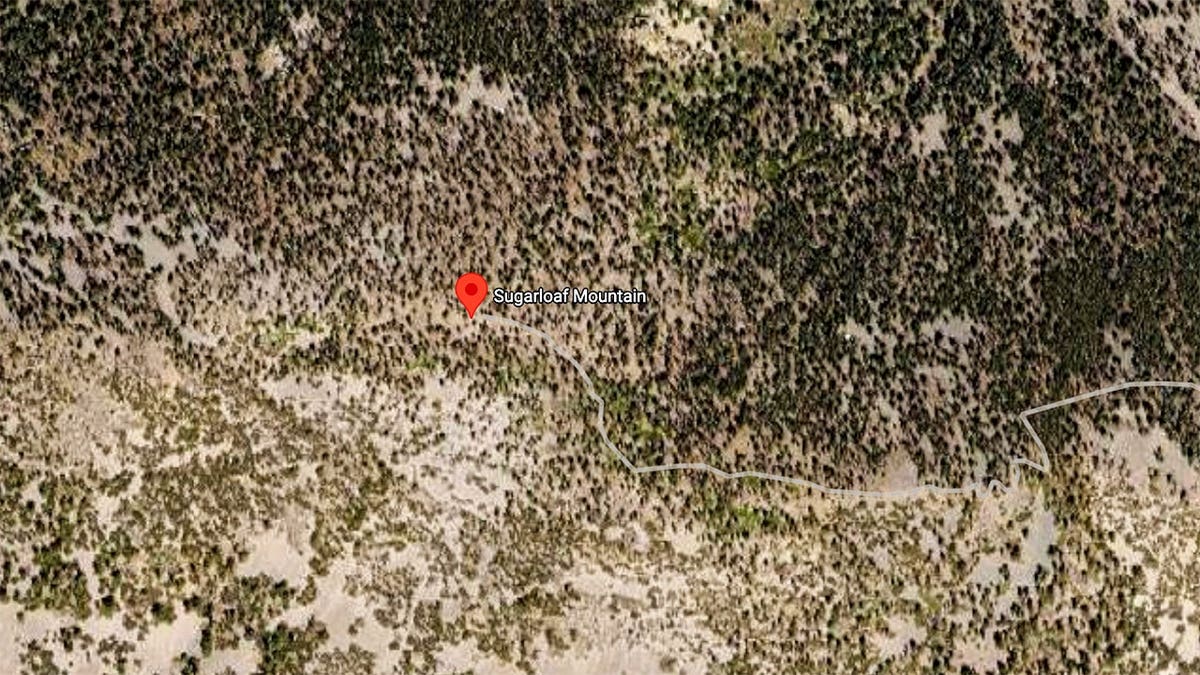
Map showing the Sugar Loaf Mountain area in Riverside County, California, where unidentified human remains were discovered in 1981 before investigators identified the victim decades later through forensic DNA. (Google Earth)
For decades, she was listed simply as an unidentified homicide victim, her name lost as the investigation went cold.
UPI archives show Gaston, an 80-year-old multimillionaire real estate investor with an estate estimated at about $20 million, vanished on June 28, 1981. A note left on the door of her home said she had gone out to search for a missing cat, but she never came back.
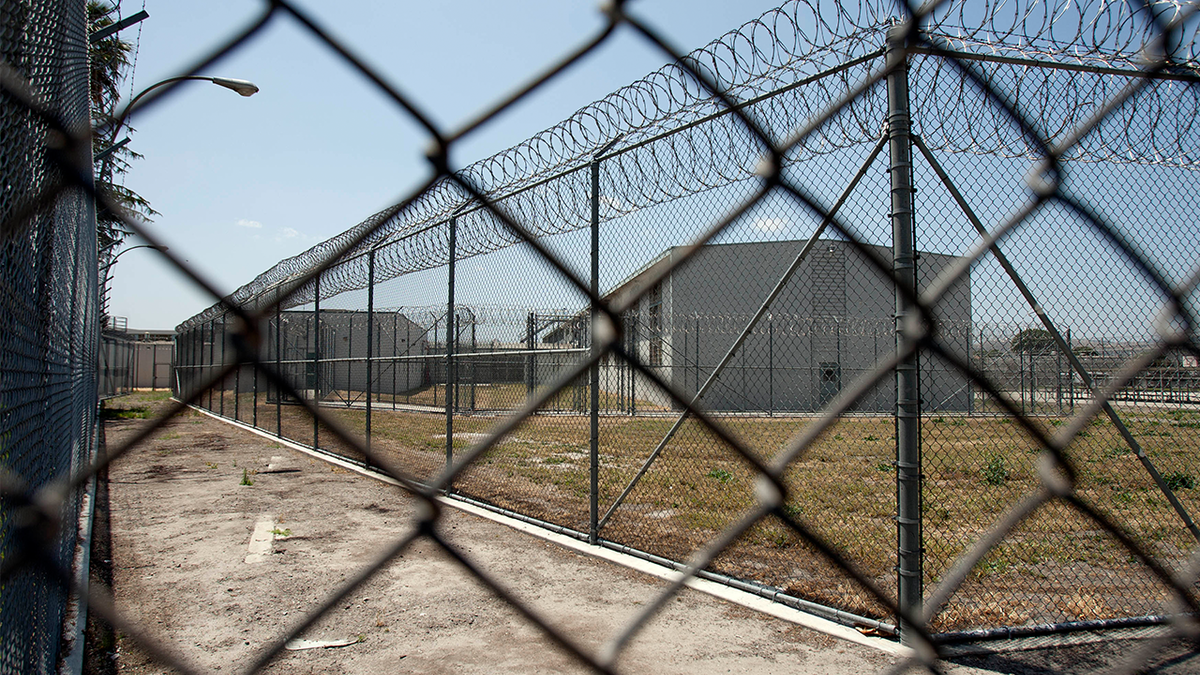
Barbed wire fencing surrounds the California Institution for Men in Chino, highlighting security measures at the state prison. (Ann Johansson/Corbis via Getty Images)
Prosecutors later accused Lawrence Remsen, then 39, of killing Gaston to gain control of her multimillion-dollar estate. Police described Remsen as Gaston’s “sometime companion.”
He pleaded not guilty to charges including murder, forgery, grand theft and attempted grand theft after authorities alleged business associates received forged letters naming him as the person who would control Gaston’s fortune.
According to the Riverside County Sheriff’s Coroner’s Bureau, the Los Angeles Police Department ultimately identified Remsen as the suspect after determining he had falsely represented Gaston’s disappearance.
The Los Angeles County District Attorney’s Office later successfully prosecuted the case, and Remsen was convicted of murder and sentenced to life in prison.
While the homicide investigation had long been resolved, what happened to Gaston’s body remained a mystery.
That changed after the Riverside County Sheriff’s Coroner’s Bureau received funding through the Missing and Unidentified Human Remains Grant, giving investigators the opportunity to revisit long-unsolved unidentified remains cases with modern forensic technology.
Investigators revisited the case in November 2024 by exhuming the remains for additional forensic testing. DNA samples were later sent to Othram, a forensic laboratory in The Woodlands, Texas, where scientists developed a comprehensive DNA profile using the company’s Forensic-Grade Genome Sequencing technology, allowing investigators to use forensic genetic genealogy and dental records to positively identify Gaston in May 2026.
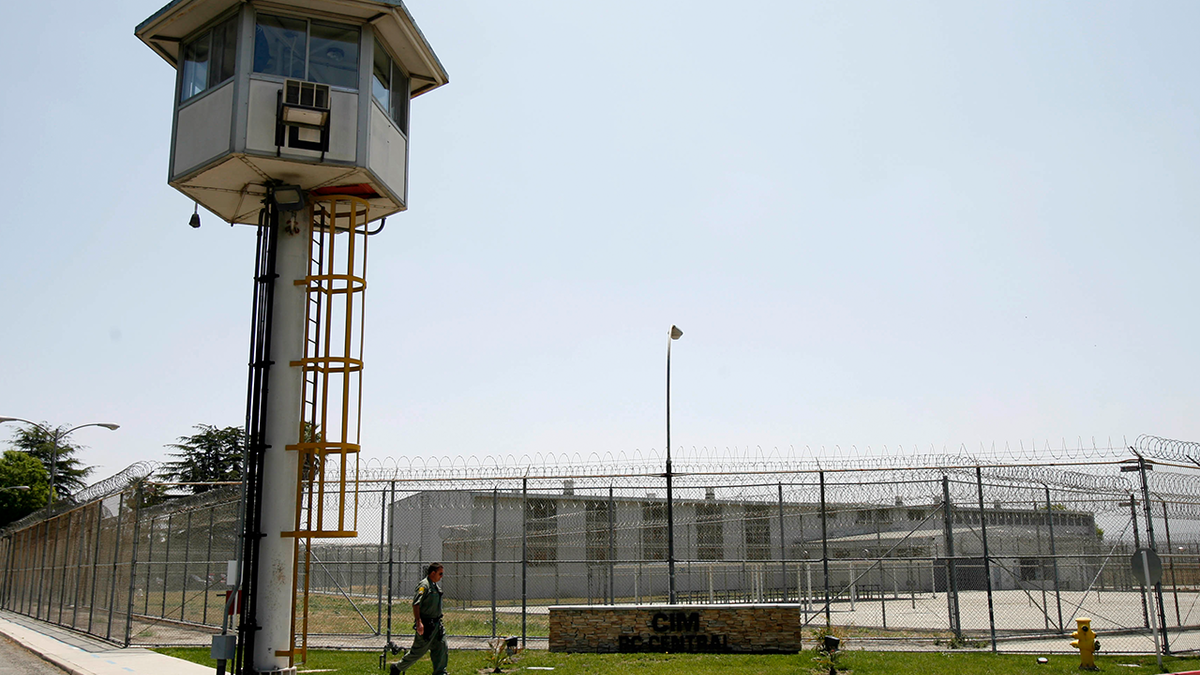
A guard walks outside the California Institution for Men in Chino, a state prison facility. (Photo by Ann Johansson/Corbis via Getty Images)
The identification was made through a collaborative effort involving the Riverside Sheriff’s Coroner’s Bureau, the Riverside Cold Case Homicide Team and Othram.
“This identification ensures that Ms. Gaston has her name—and her story—returned to her,” the Riverside County Sheriff’s Coroner’s Bureau said in announcing the breakthrough.
California prison records show Remsen, now 83, is serving a life sentence at the California Institution for Men in Chino. He was denied parole in July 2025, and his next parole suitability hearing is scheduled for July 2028.
Othram said the case marks the 85th publicly announced California case in which its forensic DNA technology has helped identify an unknown individual.
The case underscores how advances in investigative genetic genealogy continue to solve decades-old mysteries once thought unsolvable, helping investigators identify victims who for years had no name.
INC News has reached out to the Riverside County Sheriff’s Coroner’s Bureau, Othram, the Los Angeles County District Attorney’s Office and the Los Angeles Police Department for additional information.