
In early June, with the 2026 World Cup just days away, I set out across New York City to feel the pulse of a tournament that was already beginning to take over the streets. The first place that pulled me in was Jackson Heights, Queens.
If you have never spent time there, Jackson Heights feels like a globe compressed into a few electric blocks. It is one of New York’s great multicultural neighborhoods, where storefronts, restaurants and family-run shops speak in the colors, flavors and languages of entire communities. Colombia, Ecuador, Mexico, India and South Asia all seem to meet there, often with some of the best food you can find anywhere in the city.
For me, it captured exactly why diversity makes the World Cup feel so alive. Everywhere I looked, soccer fans were already carrying their countries with them — through flags, jerseys, food, music and memory. At my favorite Colombian bakery, a replica of the World Cup trophy sat in the window beside a photo of Luis Díaz. An Ecuadorian food stand had a poster of the seemingly timeless Enner Valencia. Mexican flags were not limited to food trucks; they spilled onto sidewalks and lampposts. One shop selling replica World Cup jerseys looked like a preview of the celebration to come, a bright mosaic of nations gathered around the world’s most beloved game.
In the days after that visit to Queens, as the World Cup drew closer, I kept walking, listening and meeting people from every corner of the city. There was a Senegalese chef in Harlem, a Norwegian restaurant owner in Soho, an English proprietor on the Upper East Side and an Egyptian family-run spot farther downtown on the Lower East Side.
They all spoke with the same spark — proud, eager and often dressed in their national team shirts. They shared World Cup memories, the kind that sit somewhere between childhood nostalgia and present-day hope, and talked about what it means to see their country on soccer’s biggest stage. At one point, I ran into a Scottish family looking for the best place to get a bagel. I pointed them toward Leo’s in the Financial District, and before long we were happily drifting into a conversation about the magic of John McGinn.
And that was only New York City — before a ball had even been kicked.
That was the moment it became clear to me that this World Cup was going to be different. Not because of the spectacle, the scale of the stadiums or the promise of halftime entertainment. Not because of celebrities in the stands, official merchandise, ticket prices, VAR debates or even the superstars on the pitch.
The 2026 World Cup felt special for one simple reason: the people.
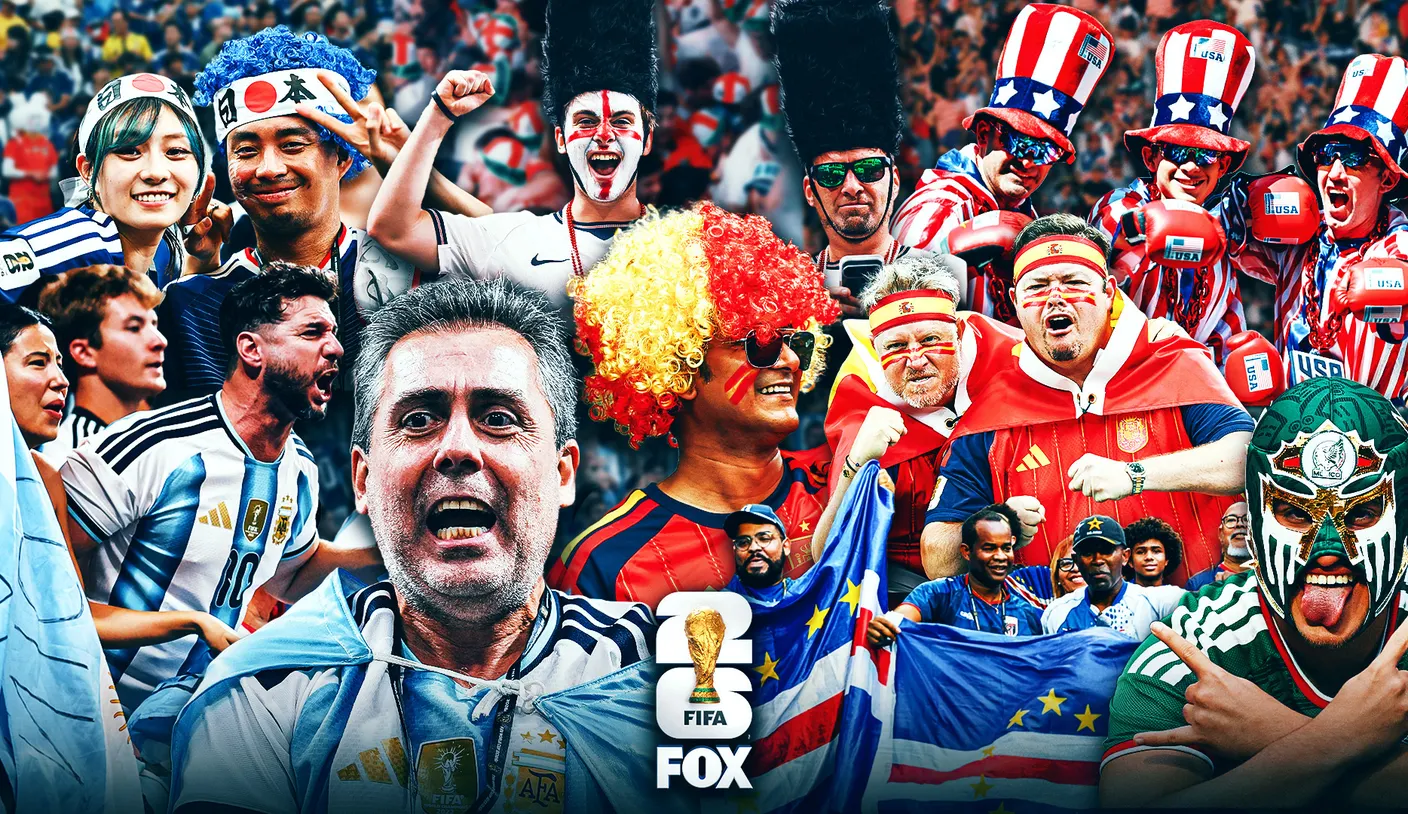
across three nations and 16 cities in Mexico, Canada and the United States, fans from all over the world traveled to not just support their team, but to be with one another. Yes, opponents on the pitch are clearly evident in this game, but outside of it — the sentiment was one of family, where sharing each other’s cultural gifts to the world was now becoming a gift to each other.
Kansas City welcomed Algeria as one of its own, whilst Norway’s iconic Viking row took over the home field of the New York Mets. More than 50,000 Scottish fans drank Boston dry and this only made them become more connected to the city. The mayor held a welcoming ceremony last week for a traffic cone, which is now a symbolic gesture of appreciation after the Tartan Army faithful placed them on top of Boston statues during its run at the World Cup.
Then there was the couple in Arlington, Texas, who created a lemonade stand for fans walking up to the stadium. In the end, supporters from all over the world bought a cup and left messages from around the world, thanking them for the hospitality.
I met a Paraguayan family who runs a beautiful restaurant in the Sunnyside neighborhood of Queens where the entire community would come, watch and celebrate its team doing the almost impossible after beating Germany.
Or how about Oasis’ “Wonderwall” becoming an anthem of nostalgia for England — sung from all corners of the ancient streets of Mexico City to neon-lit boulevards of Miami.
Or how about the Mexican fan I connected with, who was once a server in Cancún, immigrated to the U.S. more than two decades ago and built an empire of restaurants in New Jersey. Or the Colombians in Hackensack, New Jersey. Or the Haitians in Brooklyn, Argentinians in North Miami and South Koreans in Los Angeles.
Then we have the thousands of videos of pure joy, the reaction of what it meant to taste ranch dressing for the first time. The casual conversations with strangers. The commitment to learning about one another. It truly restored my faith in humanity.
once said, travel and exploration of new places and communities isn’t always graceful or pretty, but the journey changes you, leaving a lasting mark on your heart and consciousness.
All of these stories, therefore, much like the Panini stickers on the World Cup album, are collected, restored and remembered for eternity.
There is nothing more precious that the World Cup can give you than this: an invitation to an extended family. The fan is the blood and oxygen of a team. Without it, stadiums — as we remember during COVID-19 — have no soul. No reason to exist.
But when you see a packed stadium, where voices become one singular wave of energy, it moves you. It makes you appreciate life.
And so, beautiful fan, that’s why I dedicate this column to you. Because of you, this World Cup awakened us and made us feel alive. That’s what the World Cup is all about: a celebration of the people and their love for the beautiful game, the beautiful us.
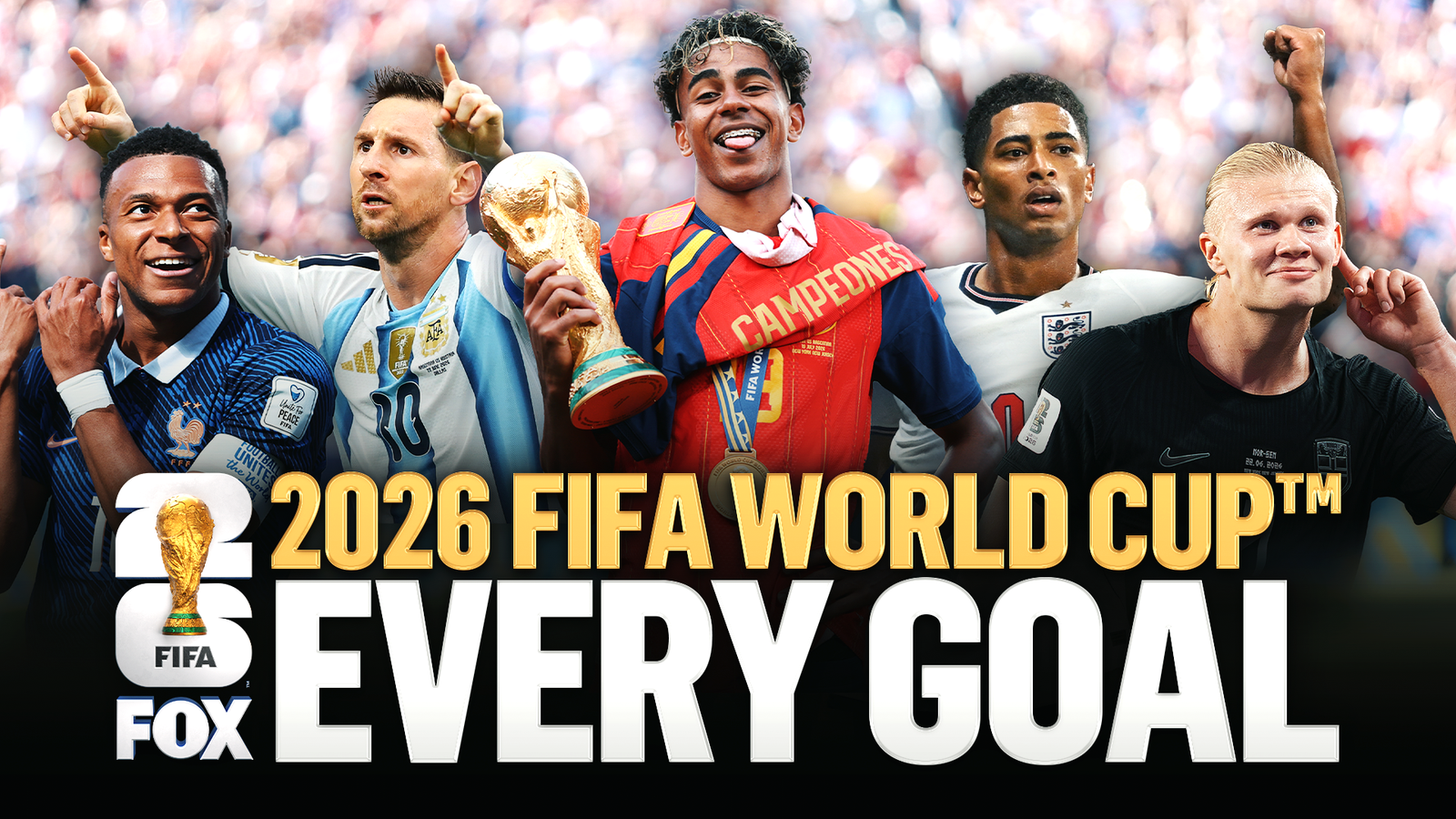
Every Goal From 2026 FIFA World Cup™ ⚽️ 308 Goals Most in FIFA World Cup™ History
]