
Warner Bros.
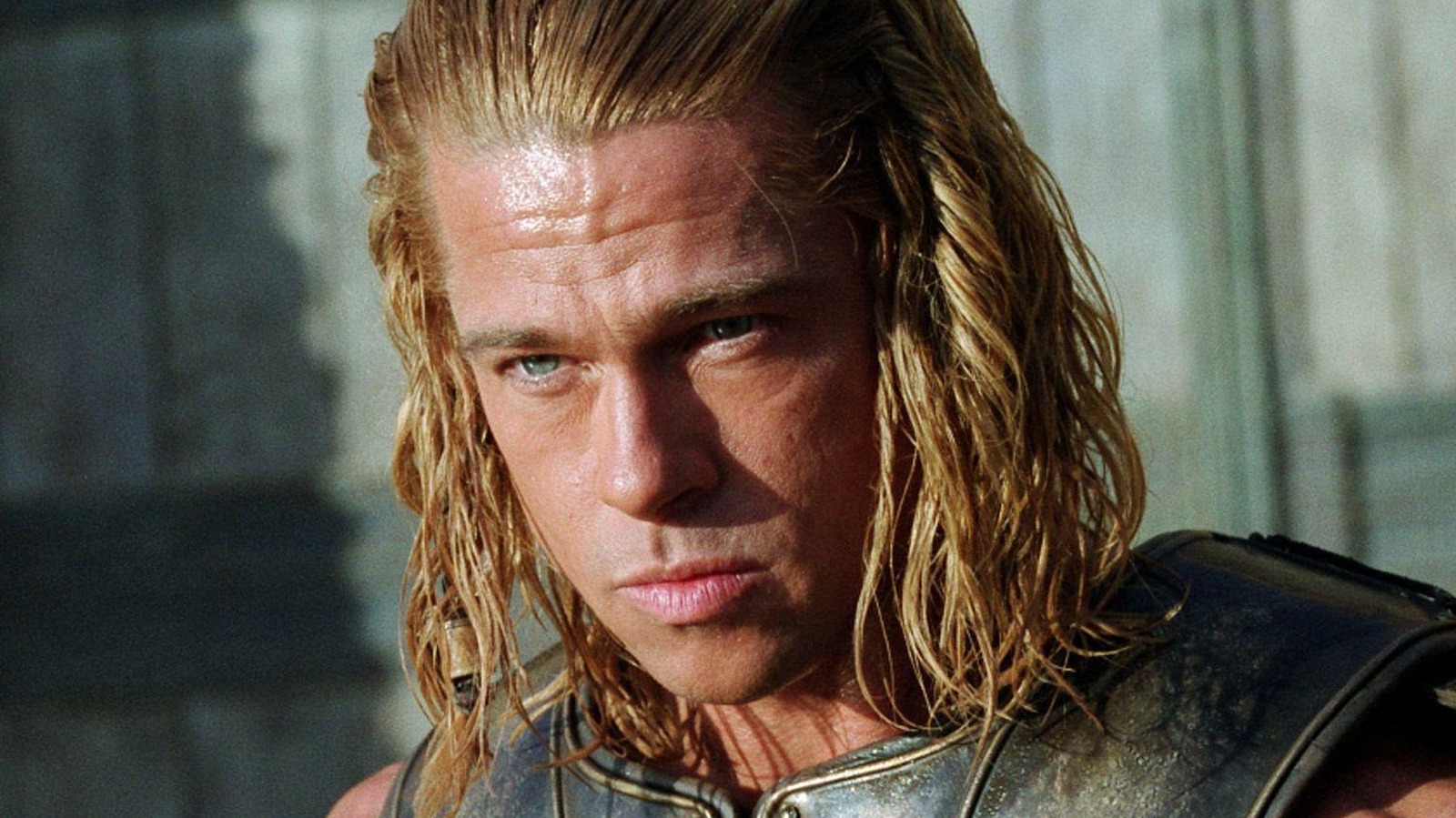
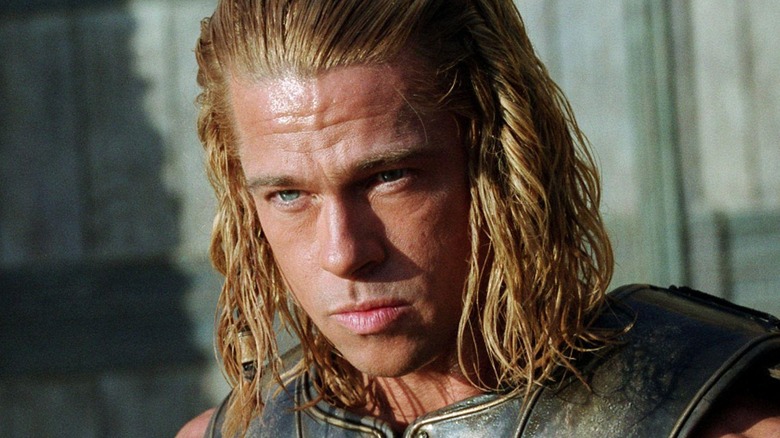
Christopher Nolan’s “The Odyssey” has put ancient Greek mythology back at the center of the blockbuster conversation, proving once again how powerfully Homer’s legendary tales can translate to the big screen. That renewed attention naturally invites comparisons to another major Hollywood swing at Homer: Wolfgang Petersen’s 2004 epic “Troy.” Built around the events of “The Iliad,” the film assembled an A-list cast led by Brad Pitt as Achilles, Eric Bana as the noble Trojan commander Hector, Sean Bean as Odysseus, and a deep bench of recognizable stars in key roles. Adding another interesting layer, the screenplay came from David Benioff, who would later become one of the co-showrunners behind HBO’s “Game of Thrones.”
Unlike Nolan’s acclaimed “The Odyssey,” “Troy” did not arrive as a critical sensation. The film currently sits at a modest 53% Tomatometer score on Rotten Tomatoes, reflecting a mixed response from reviewers at the time. Audiences, however, have long been kinder to it. Its 74% Popcornmeter rating suggests that general moviegoers have embraced “Troy” as a muscular, old-school sword-and-sandals spectacle. Over the years, the film’s reputation has steadily improved online, with many fans praising its grand battles, star power, and rewatchable blockbuster energy. More than 20 years after its release, “Troy” has quietly evolved into a cult favorite for viewers who love sweeping popcorn epics.
The Odyssey functions as a Troy sequel
Warner Bros.
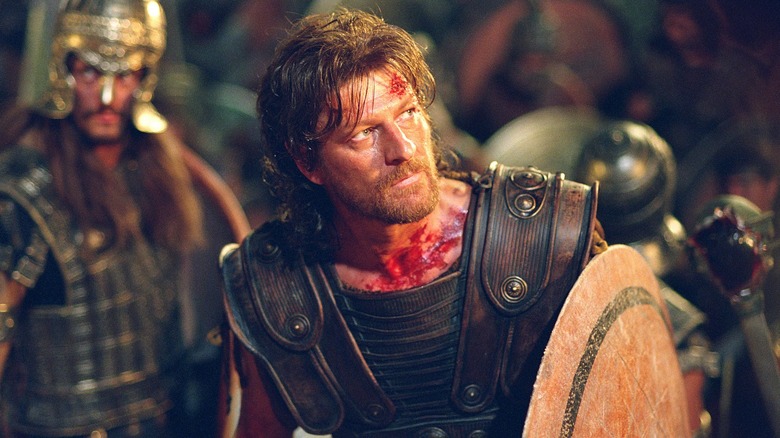
For anyone familiar with Homer’s works, “The Odyssey” essentially follows the aftermath of “The Iliad,” shifting the focus to Odysseus after the Trojan War. That connection carries over to the films as well. Petersen’s “Troy” dramatizes the legendary conflict between the Greeks and the city of Troy, sparked when Trojan prince Paris, played by Orlando Bloom, takes Helen, played by Diane Kruger, from her husband, Sparta’s King Menelaus, portrayed by Brendan Gleeson. The insult leads to war, pulling heroes and kings into a brutal campaign. Of course, “Troy” takes plenty of liberties with the ancient text — Brad Pitt’s strikingly blond Achilles alone signals a glossy Hollywood interpretation — but Nolan’s “The Odyssey” also makes its own adjustments to the source material.
With interest in “The Odyssey” surging, now is an ideal moment to go back and revisit “Troy,” which can be viewed as a loose prequel to Nolan’s box office hit. There is some narrative overlap by the time “Troy” reaches its conclusion, and viewers will need to adjust to Odysseus being played by Sean Bean in one film and Matt Damon in the other. Still, the two movies make for an entertaining Greek mythology double feature. The contrast in tone is noticeable, but it works in the story’s favor: “Troy” presents a brighter, more heroic world with Odysseus still at the height of his powers, while the darker atmosphere of “The Odyssey” reflects the weariness and psychological weight of his long, punishing journey home.