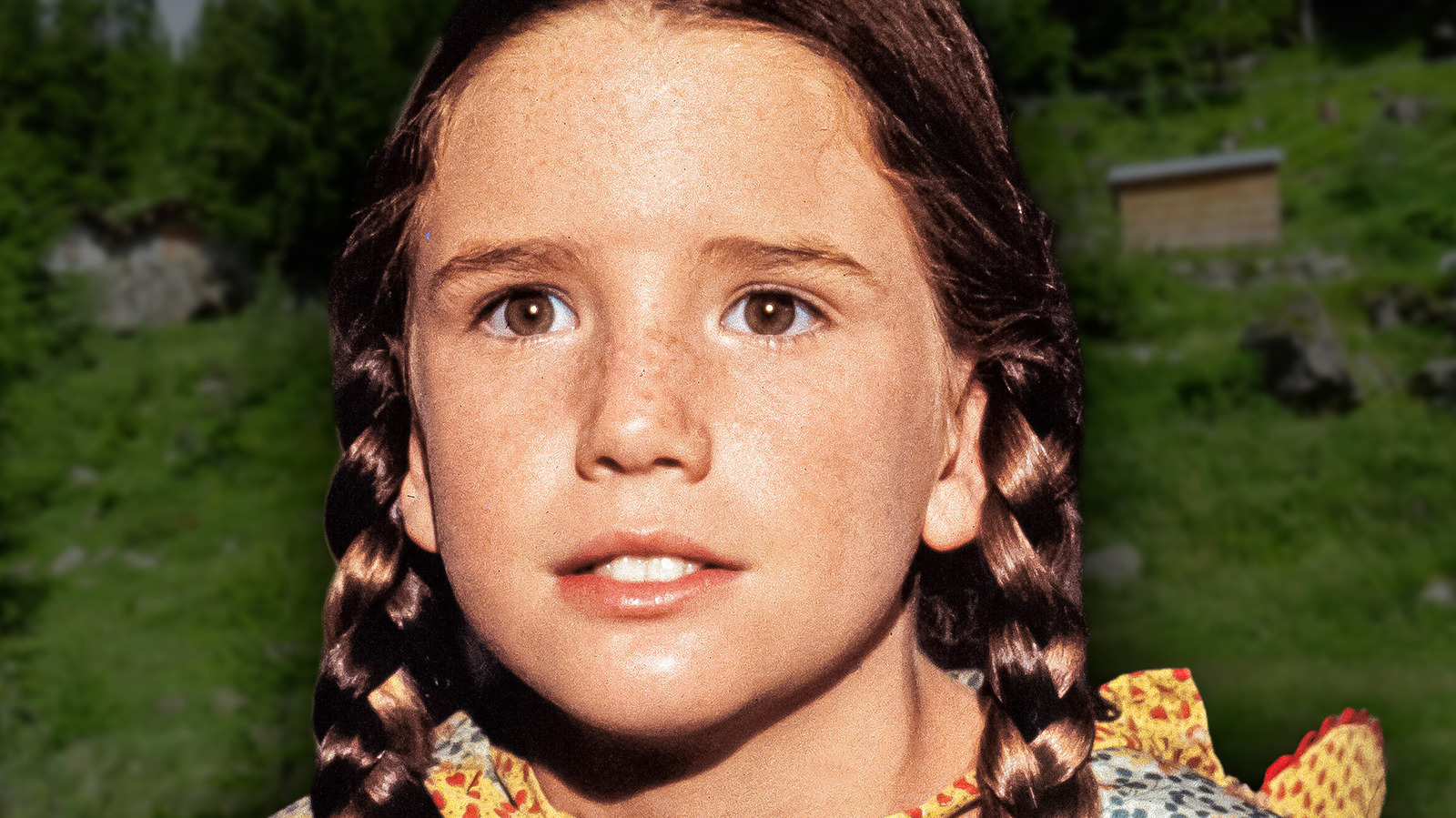


NBC/Static Media
It is difficult to find a Western television fan unfamiliar with Blanche Hanalis’ Little House on the Prairie. The beloved series ran for nine seasons during the 1970s and ’80s, following the Ingalls family as they faced the hardships of farm life in Minnesota. Its warm, family-focused storytelling has made it a classic, but that does not necessarily make it the greatest Western series ever produced.
That is not meant as a criticism of Little House on the Prairie, a show that deserves its enduring reputation. Rather, several other Western dramas explore similar ideas about family, community, survival, and personal responsibility with a little more depth or intensity. Many of these titles are well-known, but each offers a compelling reason for fans of the Ingalls family to give them a chance.
Bonanza
NBC
Bonanza was once among the longest-running programs in television history, delivering hundreds of episodes between 1959 and 1973. Its remarkable longevity reflects the show’s enormous popularity, but its connection to Little House on the Prairie goes even deeper: both series feature Michael Landon. Beyond that shared star, Bonanza remains one of the most influential family-centered Westerns ever made.
The series focuses on the Cartwright family, who defend their Nevada ranch against the criminals and opportunists threatening their home. On paper, that premise may sound like a familiar gunslinger story, but Bonanza is less interested in constant shootouts than in the relationships, moral choices, and family conflicts at the heart of the Cartwright household.
Like Little House on the Prairie, Bonanza emphasizes family loyalty and the importance of looking after one’s community. Neither show depends heavily on violence, though both tackle serious issues, including racism and social prejudice. The comparison becomes even more intriguing because Landon was later accused of reworking certain Bonanza storylines for Little House on the Prairie. Some creative inspiration is difficult to avoid when the source material is that strong.
Dr. Quinn, Medicine Woman
CBS
Often described as a more mature counterpart to Little House on the Prairie, Dr. Quinn, Medicine Woman is set in a tight-knit frontier town and follows a central character surrounded by children, neighbors, and extended community ties. Jane Seymour’s Dr. Michaela Quinn is not only raising a family in a challenging environment; she is also fighting to save lives while confronting sexism and other forms of injustice. Her determination to challenge prejudice makes her an especially rewarding heroine.
Little House on the Prairie occasionally addressed difficult subjects, but it generally presented them in a way accessible to younger audiences. Arriving in the 1990s, Dr. Quinn, Medicine Woman approached similar themes with greater maturity and nuance. The series helped reinvigorate the family drama while offering a thoughtful alternative to tougher, more masculine action shows such as Walker, Texas Ranger. Despite that achievement, it remains surprisingly underappreciated today.
Seymour brings considerable warmth and strength to the title role. Across six seasons, Dr. Quinn faces repeated personal and professional challenges, yet she remains capable, principled, and highly skilled. Audiences have always responded to protagonists who know what they are doing, and watching Dr. Quinn use her expertise to help others is one of the show’s greatest pleasures.
1883
Paramount Network
Few modern Westerns portray the dangers of frontier life as starkly as Taylor Sheridan’s Yellowstone spin-off 1883. The series follows a punishing journey across the American West, where travelers encounter outlaws, rattlesnakes, violent storms, devastating loss, and countless other threats. Much of the story is seen through the eyes of Elsa Dutton, played by Isabel May, as her family pursues the promise of a better life and discovers the tremendous price attached to that dream.
Every entry in the Yellowstone universe has its supporters and detractors, but 1883 is widely regarded as one of the franchise’s strongest installments, earning an 89% fresh rating on Rotten Tomatoes. Like Little House on the Prairie, it uses the frontier as the setting for a story about family, resilience, and growing up. The difference is that Elsa’s journey is far more brutal than anything faced by the Ingalls children. The drama delivers plenty of emotional blows, but Sheridan also finds beauty and romance amid the suffering.
The cast further reinforces 1883’s Western credentials, with Tim McGraw, Faith Hill, and Sam Elliott among its leading performers. Viewers drawn to its sweeping period setting and emotional storytelling may also want to explore other memorable Western dramas inspired by the same traditions.
Heartland
CBC
Few television series capture the rhythms of rural family life as effectively as Heartland. Based on Lauren Brooke’s book series, this long-running neo-Western centers on a Canadian ranch and the family who lives there. Much of the story follows Amy, portrayed by Amber Marshall, a teenager who works with troubled horses after surviving a serious car accident.
Heartland favors gentle, sentimental storytelling and wholesome family drama, but that does not mean its characters avoid pain. The series delivers its share of grief and emotional moments, yet it never loses its hopeful outlook. Its themes of recovery, community, family bonds, and finding purpose make it an ideal recommendation for anyone who misses the warmth of Little House on the Prairie.
At times, Heartland can be unabashedly sweet and even a little corny, but that is part of its appeal. Not every viewing experience needs to be dark or relentlessly dramatic; sometimes a comforting, feel-good series is exactly what audiences want. Since the show premiered in 2007 and has continued for years, fans also have an extensive collection of episodes to enjoy.
Dutton Ranch
Paramount+
Another Yellowstone offshoot earns a place on this list because it examines ranch life through a much harsher lens. Dutton Ranch is a sweeping family drama about survival, loyalty, and the pressures of protecting a legacy. Compared with Little House on the Prairie, however, its world is considerably more dangerous. The Ingalls family faced hardship and occasional enemies, but Beth Dutton, played by Kelly Reilly, and Rip Wheeler, portrayed by Cole Hauser, seem to encounter danger at every turn.
Even so, Dutton Ranch is not without tenderness. The broader Yellowstone franchise has always included romance and family devotion, and this spin-off gives those qualities a more heartfelt emphasis. After adopting Carter, played by Finn Little, Beth and Rip embrace their roles as parents, and the change suits them. Peace proves difficult to maintain, however, when Carter becomes entangled with dangerous people. The Duttons deserve a period of happiness, but the series continues to underline one of its central ideas: life on the ranch is never simple.
There are Western dramas that may ultimately prove even stronger than Dutton Ranch, and they are worth adding to any watchlist. Still, the spin-off deserves recognition for restoring some excitement to the franchise after the divisive conclusion of the original Yellowstone. Its success suggests that the Dutton saga may still have plenty of life left in it.


