
Cambridge University treated Jason Arday as a source of “bragging rights”, Sir James Cleverly has claimed.
The shadow housing secretary said senior figures at Cambridge and other universities appeared to showcase Mr Arday with “glee” because of his age and ethnicity, rather than focusing on his academic ability.
Sir James described the “terrible situation” as “unfair to him”, saying it left Mr Arday with “so far to fall”.
Cambridge chancellor Lord Chris Smith of Finsbury also weighed in, saying the academic had been subjected to a “racist feeding frenzy”.
Mr Arday, 41, was found dead in Battersea, south London, on Friday.
His death came a little over a week after he stepped down from his role at Jesus College, following controversy over plagiarism allegations and questions about his academic career.
Appointed professor of sociology of education at the age of 37, Mr Arday became the youngest black person ever named to a Cambridge professorship.
Sir James, who was Britain’s first black home secretary and foreign secretary, said he was “incredibly angry” about the way events had unfolded.

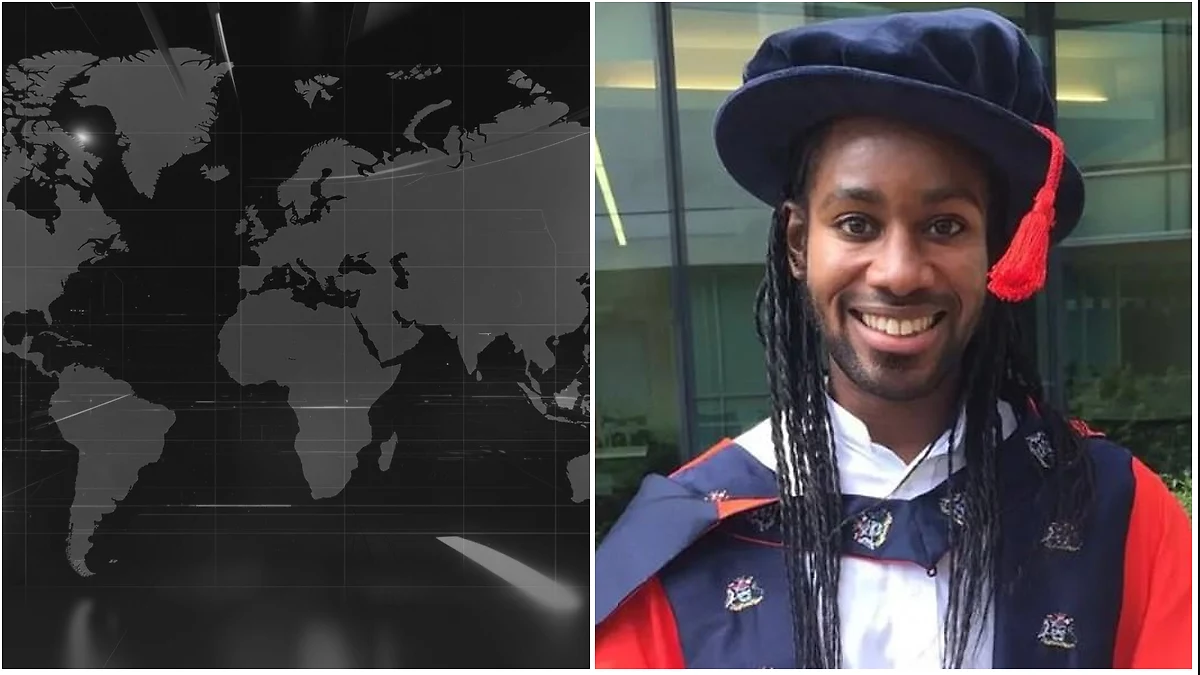
Jason Arday (pictured) was used by Cambridge University for ‘bragging rights’, Sir James Cleverly has claimed
He told BBC Radio 4’s Today programme: ‘It could and should have never come this far, if people within the university establishment, not just Cambridge, had done the robust due diligence and checking that should happen with any senior academic appointment.
‘I can’t help but feel that the rush to use Jason Arday as a bragging right by some universities – the glee with which they said “we’ve got the youngest-ever black professor”, talking about his age and his ethnicity rather than his talent, I think was part of the reason he was lifted so high so quickly.
‘And then when the scrutiny did come – external to the universities – his reputation had so far to fall.
‘I think it was unfair on him and I think it’s been a terrible, terrible situation.’
Asked if he thought some of the scrutiny had been motivated by racism, Sir James answered: ‘quite possibly’.
However, he said that the questions that had been asked about him were ‘genuine and legitimate’.
‘Had those same questions been asked by the institutions involved, he would never have been in such a personally exposed position,’ he added.
‘Anyone who puts themselves into the public eye should expect scrutiny. And he was pushed into the public eye. He was made the poster child, a wunderkind, and I think the people who did that – they surely should have known that a number of the claims he was making were impossible, literally impossible, and yet they did anyway.’
His words came after Cambridge’s chancellor, Lord Chris Smith of Finsbury, spoke publicly for the first time about the affair.
He told the BBC: ‘I do believe it is possible to hold to two principles at the same time: to believe in the importance of academic integrity, and where criticisms of plagiarism arise, about any academic, whoever they are, ensure that they are rigorously investigated.
‘And also to refuse to join in a racist feeding frenzy over a particular academic.’
Mr Arday’s death was referred to the Coroner for the Inner South District of Greater London on Saturday.
No medical cause of death was given.
The coroner will now carry out an investigation, and then make a decision as to whether an inquest will open.
Cambridge initially said claims of plagiarism regarding Mr Arday’s thesis and some journal publications had been investigated by Liverpool John Moores University (LJMU) and the journals in question.
LJMU, which awarded Professor Arday his PhD in 2015, concluded that he had not plagiarised work.
But last week, Cambridge announced an independent investigation into his appointment.
Mr Arday resigned but said this decision should not ‘be mistaken for an acceptance of the narratives that have surrounded me’.
On Sunday, more than 200 people attended a vigil at Cambridge that was organised by Mr Arday’s postdoctoral students.