
If you or someone you know is experiencing suicidal thoughts, contact the National Suicide Prevention Lifeline at 1-800-273-TALK (8255).
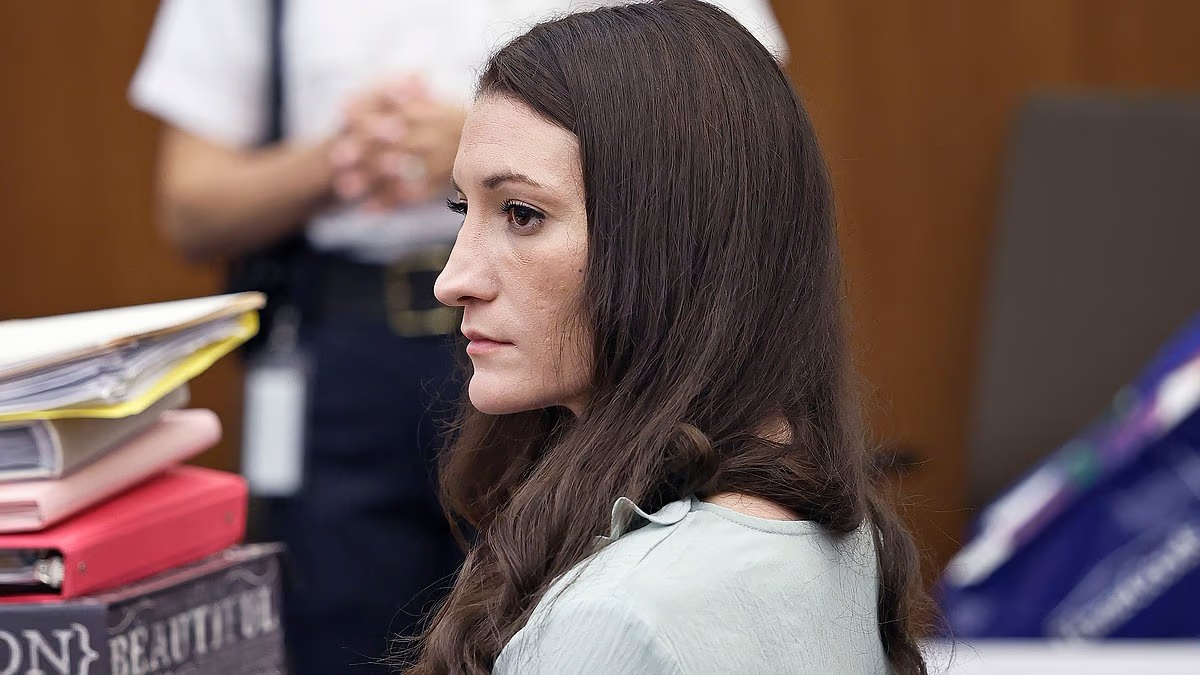
As the Lindsay Clancy murder trial moves toward jury deliberations after Thursday’s closing arguments, the prosecutor who won a conviction against Susan Smith — the South Carolina mother who drowned her two young sons — says Clancy’s legal team failed to establish that she had suffered a true “break with reality.”
Clancy, 36, is charged with three counts of first-degree murder in the deaths of her children, Cora, Dawson and Callan, all of whom were younger than 6. The children were found strangled inside the family’s Massachusetts home in January 2023. Prosecutors finished presenting their rebuttal case Wednesday afternoon, clearing the way for closing arguments Thursday and, afterward, the start of jury deliberations.
Her defense attorney has argued that Clancy was suffering from postpartum psychosis at the time of the killings, a central claim in the defense strategy that prosecutors have repeatedly challenged throughout the high-profile trial.
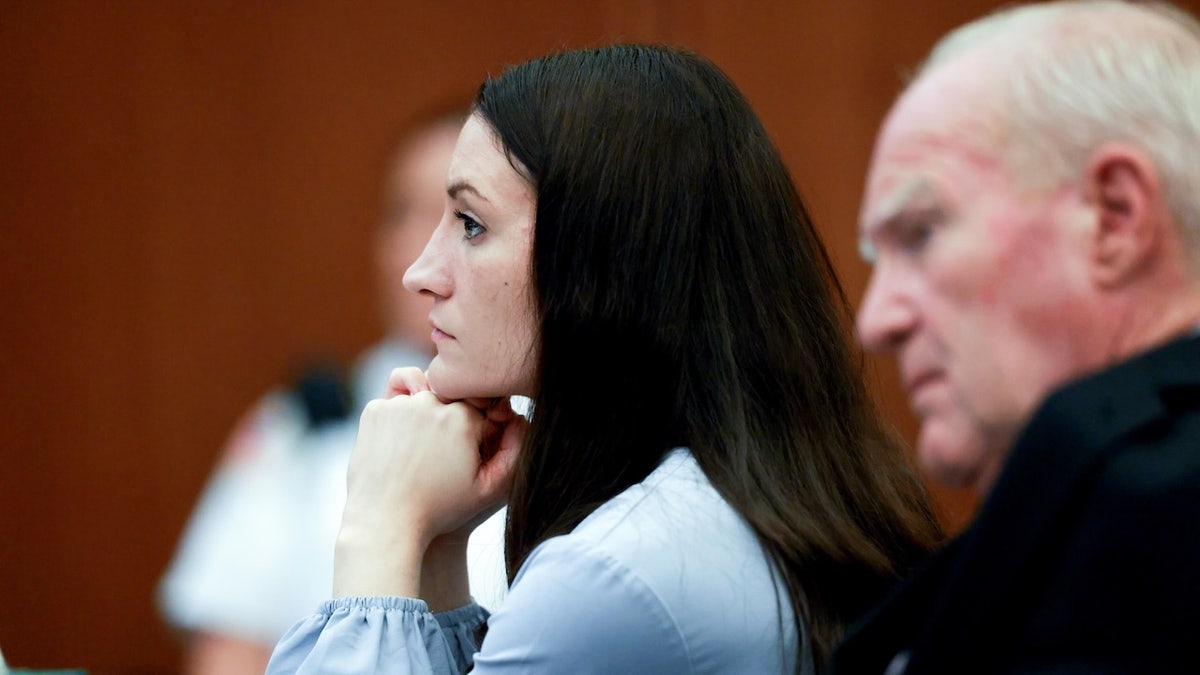
Lindsay Clancy sits next to her defense attorney, Kevin Reddington, during her murder trial at Plymouth Superior Court on Aug. 11, 2026. (Jonathan Wiggs/The Boston Globe via Getty Images)
The case has drawn comparisons to Smith, who was convicted in South Carolina of murdering her sons, 3-year-old Michael and 14-month-old Alexander. Smith had buckled the boys into her car before letting it roll into a lake. At trial, prosecutors argued that she killed them at least partly because the man she was seeing did not want to be involved with a woman who had children. She was sentenced to life in prison.
Smith’s attorneys portrayed her as deeply unstable and severely depressed, arguing that the deaths stemmed from a botched suicide attempt in which she planned to die along with her children.
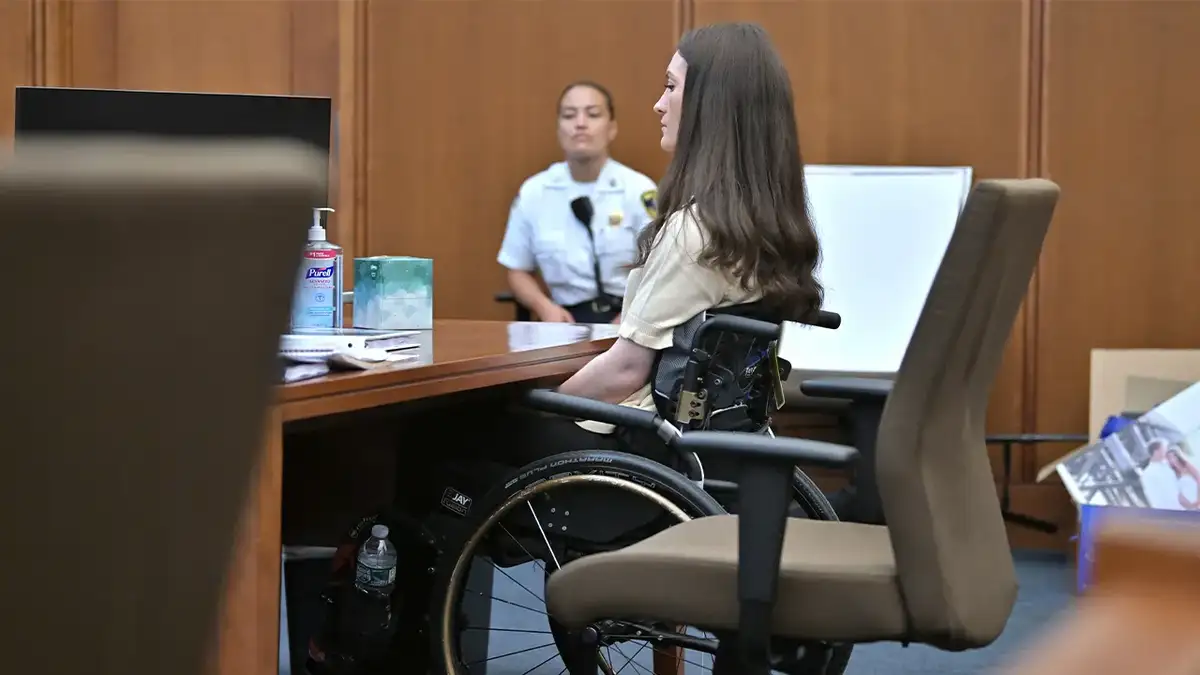
Lindsay Clancy reacts as doctors testify about efforts to save her children Friday, July 31, 2026. (Josh Reynolds for Daily Mail /Pool)
As jurors begin to deliberate on Thursday, Rep. Tommy Pope, who is currently the speaker pro tempore for the South Carolina House of Representatives and prosecuted Smith, told News Outlet he thinks Clancy failed to prove she had a break from reality.
“So as a prosecutor, what you try to do, and you’ve seen it in this case, is the prosecutor will point out all the things that she did that it can be mundane. Sometimes people watch and go, why do they care that she ordered dinner? Why do they hear that she sent her husband away or was able to dial the phone or those things? But that’s what you’re looking at. Was it a break from reality? Or did she just commit a horrible, horrible crime and make a horrible, horrible choice?” Pope said. “In these circumstances, Clancy had, like I said, all the prior treatment. But I still don’t really see the break with reality.”
RELATED: Missing Massachusetts Woman Found Dead a Week After Police Officer Husband’s Death at Home
However, Pope said that one of the things that “jumps out” for him is a clear lack of motive in Clancy killing her children, which was present in the Smith murders.

Exterior view of the home of Patrick and Lindsay Clancy in Duxbury, MA on Wednesday, Feb. 15, 2023. (David McGlynn for News Outlet)
“In this one, it’s hard to see the end game,” Pope said, referring to the murder case against Clancy. “What was her goal after? Let’s say that even jumping out the window was a suicidal gesture, which obviously went terribly wrong for her, if that was the case. But what was her end game? And that’s one disconnect I see.”
Gregory Saathoff, a University of Virginia forensic psychiatrist who consults for the FBI’s Behavioral Analysis Unit, testified Wednesday that financial pressure was among the stressors Clancy faced and may help explain why she killed her children.
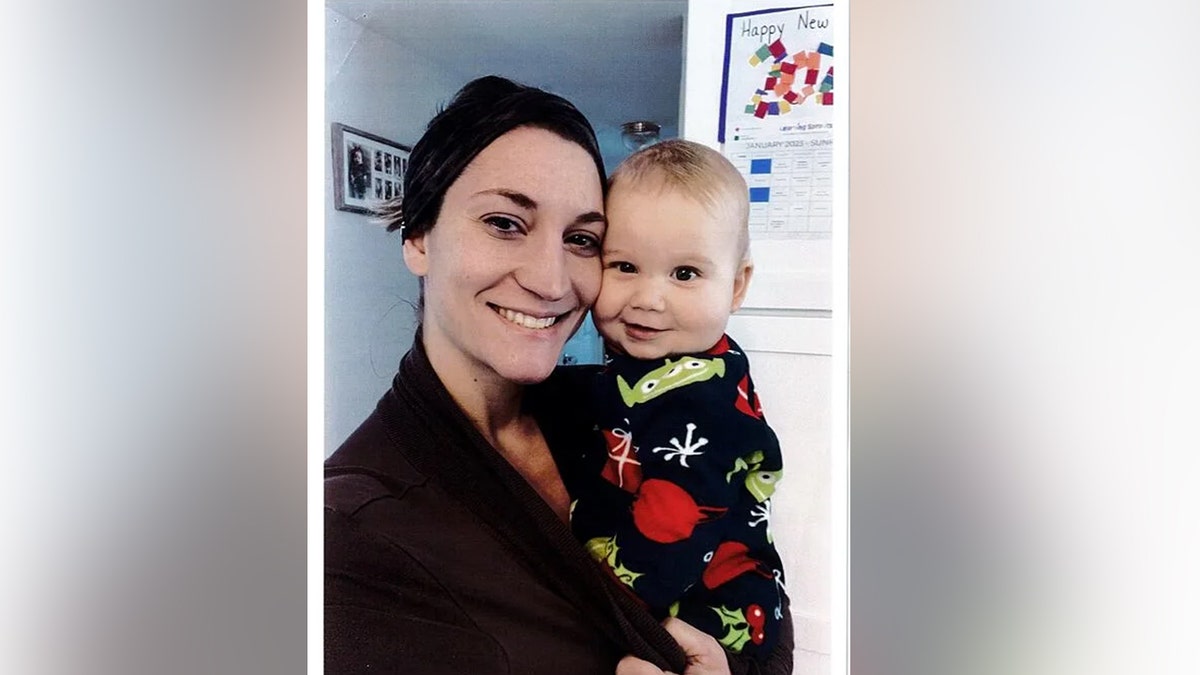
Lindsay Clancy, who is on trial for killing her three children, Cora, Dawson and Callan, in a family photo entered as evidence. (Plymouth Superior Court)
Saathoff said Clancy felt her “brain had been damaged” and could no longer do the work she loved or help support her family, which left her with a sense of being a burden.
Defense attorney Kevin Reddington questioned Saathoff about his experience with terrorism, drawing from him an acknowledgment that sleep deprivation is employed as a form of torture and that severe insomnia “can actually lead to psychosis.” Saathoff confirmed the point, saying, “Yes, it’s possible.”