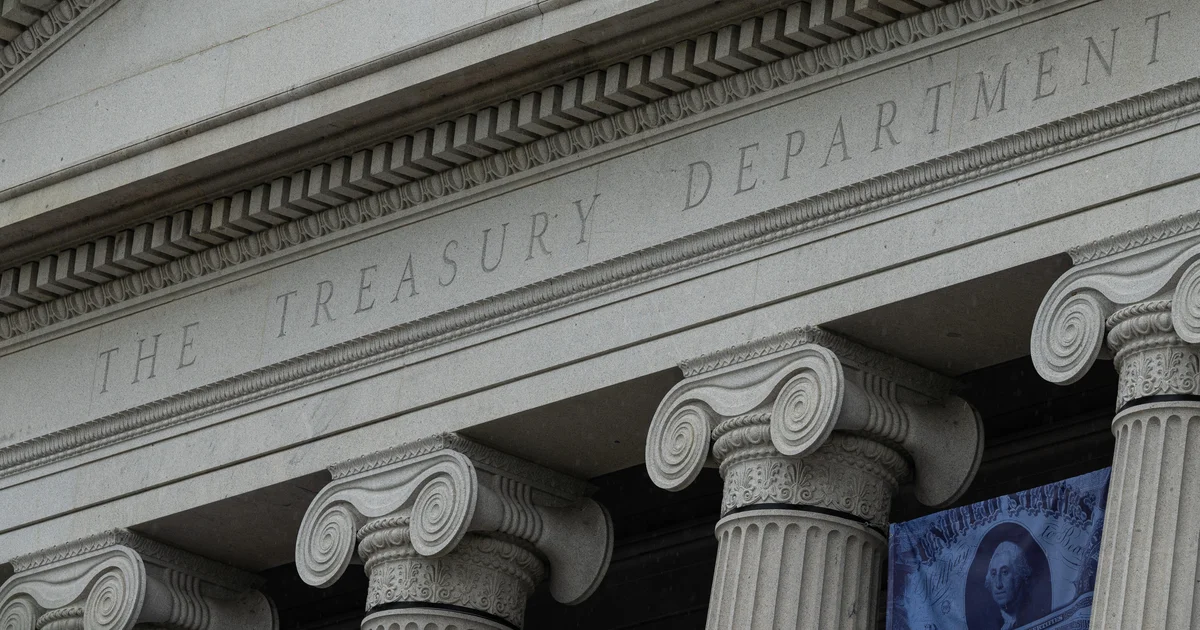

Treasury yields moved higher Tuesday, adding momentum to a widening global bond market sell-off that could translate into steeper borrowing costs for households across the U.S.
The benchmark 10-year Treasury yield, a key driver of mortgage rates and other consumer loans, climbed to 4.78%, up from 4.75% late Monday and its highest point since January 2025. The 2-year Treasury yield, which is closely watched for clues about Federal Reserve interest rate expectations, increased to 4.37% from 4.34%. Meanwhile, the 30-year Treasury yield remained near 5.25% on Tuesday.
The pressure was not limited to the U.S. A widely followed Bloomberg measure of global bond yields rose to 3.72%, the highest reading since June 2008. The latest wave of selling has been fueled in part by stubborn inflation and mounting worries over government debt, with investors demanding bigger returns to offset what they see as greater risk.
“Fiscal concerns, rising energy prices and AI-related investment have lifted long-term government bond yields across major economies to multi-decade highs,” James Reilly, senior markets economist at Capital Economics, wrote in a research note Tuesday.
Here’s a closer look at what is driving the bond sell-off — and how higher Treasury yields may affect your finances.
Why are bond yields rising?
Yields are climbing because investors, rattled by inflation pressures and growing government debt, have been selling government bonds. When bond prices fall, yields rise, and the move generally signals that investors want higher compensation for holding assets they now view as riskier.
Energy markets are adding another layer of anxiety as tensions between the U.S. and Iran continue to escalate. The U.S. carried out military action against Iran in a month over the weekend, sending oil prices higher. The renewed confrontation has deepened fears that the conflict, now in its seventh month, could push inflation back up and increase pressure on the Federal Reserve to lift the federal funds rate.
“The spike in borrowing costs comes as the latest flare-up in the U.S.-Iran war has raised concerns that central banks will hike interest rates to combat inflation from higher energy costs,” investment research firm Morningstar said in a post Tuesday.
Stubborn price pressures have been a concern for the Federal Reserve, which has sought to bring inflation down to its 2% annual target. Speaking at the central bank’s annual conference in Wyoming last week, Federal Reserve Chairman Kevin Warsh said monetary policymakers will have “work to do” if inflation doesn’t subside, suggesting the Fed could be prepared to raise interest rates when it next meets on Sept. 15-16.
Interest rate traders now assign a 66% chance that the Fed will raise its benchmark rate in September, according to CME Group’s FedWatch tool.
What does the bond sell-off mean for you?
Movements in the U.S. bond market influence what everyday Americans pay for loans and how much interest they earn on their savings accounts.
Higher Treasury yields can push up costs for everything from auto loans and credit cards to personal loans and mortgages. The average 30-year mortgage rate tends to track the 10-year Treasury, meaning rising yields can push up home borrowing costs.
Elevated borrowing costs also tend to weigh on stock prices and make it more difficult for businesses to expand.
While higher yields hurt borrowers, they can help increase earnings for savers with high-yield savings accounts and CDs.
Where could bond yields go from here?
Yields could ease, but that’s not likely in the near term, according to economists.
“Unlike past bond sell-offs, which had an obvious and often fixable cause, this one is unlikely to suddenly shift into reverse anytime soon,” Reilly said in Capital Economics’ note on Tuesday.
Ulrike Hoffmann-Burchardi, the chief investment officer of the Americas and global head of equities for UBS Global Wealth Management, said in an email Tuesday that she expects yield volatility to persist in the near term before subsiding toward the end of the year. She projects 30-year and 10-year Treasury yields to end the year at 5% and 4.5%, respectively.
Aimee Picchi
contributed to this report.