Iran is finding it increasingly difficult to absorb the combined weight of a US naval blockade and sweeping economic sanctions, pressures that senior Iranian officials say are further straining an economy already under severe stress.
As Tehran’s oil exports have dropped to fresh lows for seven consecutive weeks — an unprecedented stretch — the government is confronting the possibility that it may be forced to yield first in its economic standoff with Washington, three senior Iranian sources told Reuters.
The pressure has intensified following a new round of US sanctions and Washington’s warning that it will target anyone helping Iran, leaving the regime with dwindling options to obtain foreign currency or purchase needed goods, the sources said.
Iran was still moving roughly 2 million barrels of oil per day at the peak of the war in March, but by August its loadings had fallen to an average of about 250,000 barrels per day, according to estimates from maritime analytics firms Vortexa and Kpler.
The sharp collapse underscores how the renewed US blockade has cut deeply into Iran’s most important revenue stream, a sector Tehran had previously kept alive by finding ways around Western sanctions.
“Even at the height of maximum-pressure sanctions in 2019-20, some Iranian crude cleared Hormuz every single month; at no point did outbound flows fall to near-zero for a sustained stretch as they have since mid-July,” Vortexa analyst Claire Jungman said.
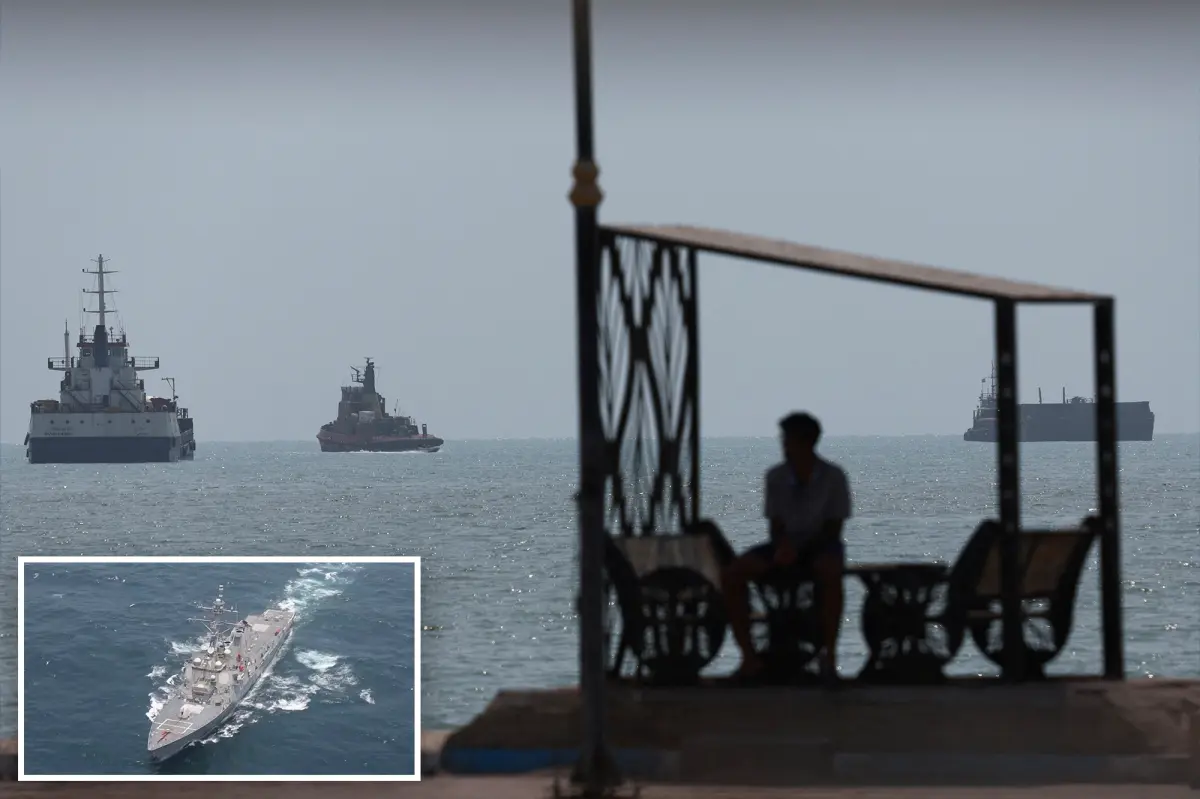
US Central Command says the Navy has so far intercepted 86 commercial vessels attempting to enter or leave Iranian ports, including three ships that were disabled and two that were boarded by troops.
Iranian officials insist the country still has tens of millions of barrels of oil stored on tankers beyond the blockade zone and available for sale, but converting that stockpile into cash presents its own challenge.
The drop in oil revenue, combined with high inflation and the plummeting value of Iran’s rial currency, has left the regime with less cash on hand to pay the high premiums it requires to actually skirt the sanctions, the Iranian sources added.
Iran is believed to have a total of 107 million barrels of oil afloat at sea, according to Vortexa, but once that’s sold off, the tankers cannot return to restock under the blockade.
Treasury Secretary Scott warned of even harsher economic woes to hit Iran earlier this week, vowing to asphyxiate” the Iranian government until it agrees to a peace deal with President Trump.
Along with the sanctions, Scott said he plans to target assets in the British Virgin Islands and “$100 million houses” — likely a reference to Supreme Leader Mojtaba Khamenei’s alleged $130 million London real estate portfolio.
With Post wires