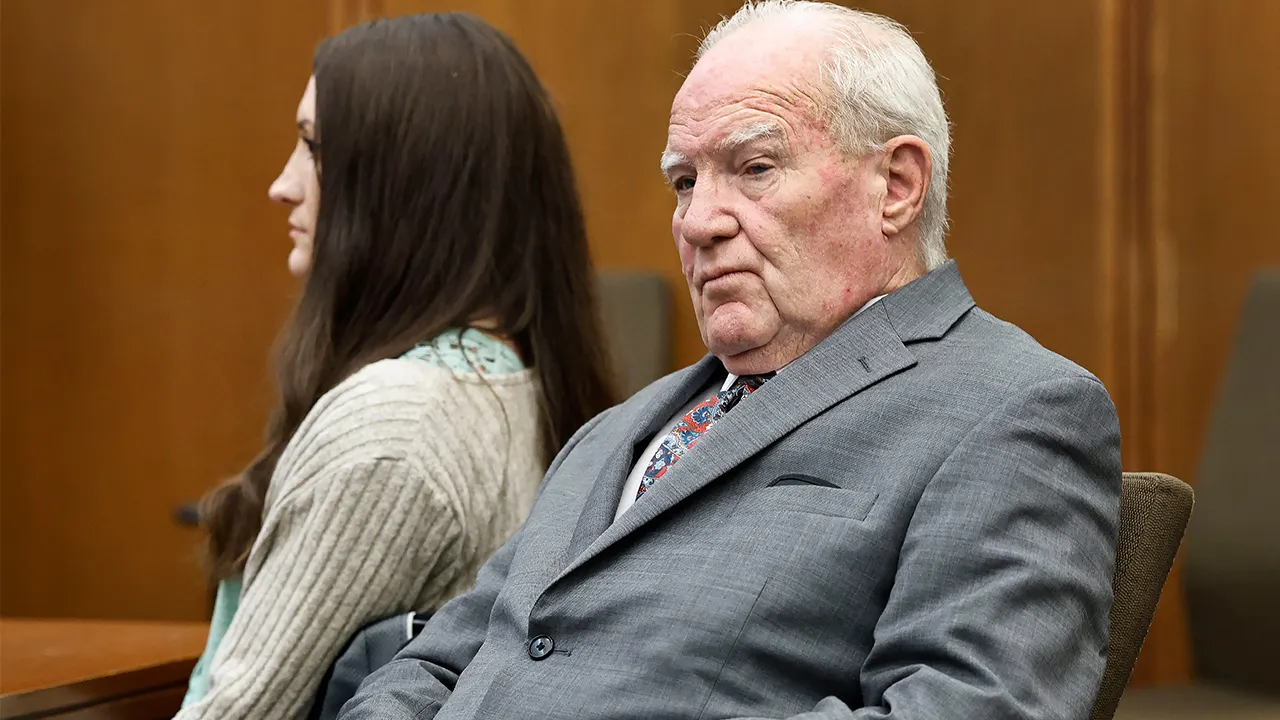

As jurors moved toward the close of a sixth day of deliberations in Lindsay Clancy’s murder trial — after twice informing the judge they were unable to agree on a verdict — one of Karen Read’s former defense lawyers commended Clancy’s attorney for his handling of the high-profile case.
“It immediately brings back the stress and the pressure that comes from having somebody’s life in your hands and the very worst part of a trial, which is when the jury’s out,” said David Yannetti, a central figure on Read’s defense team during both of her Massachusetts murder trials. “So I feel for Kevin now, as I feel any lawyer in that situation, but he appears to be confident.”
Yannetti said the Clancy and Read cases stand out for another reason: both involve professional women with no known criminal histories or prior entanglements with the court system, and both attracted passionate public backing.
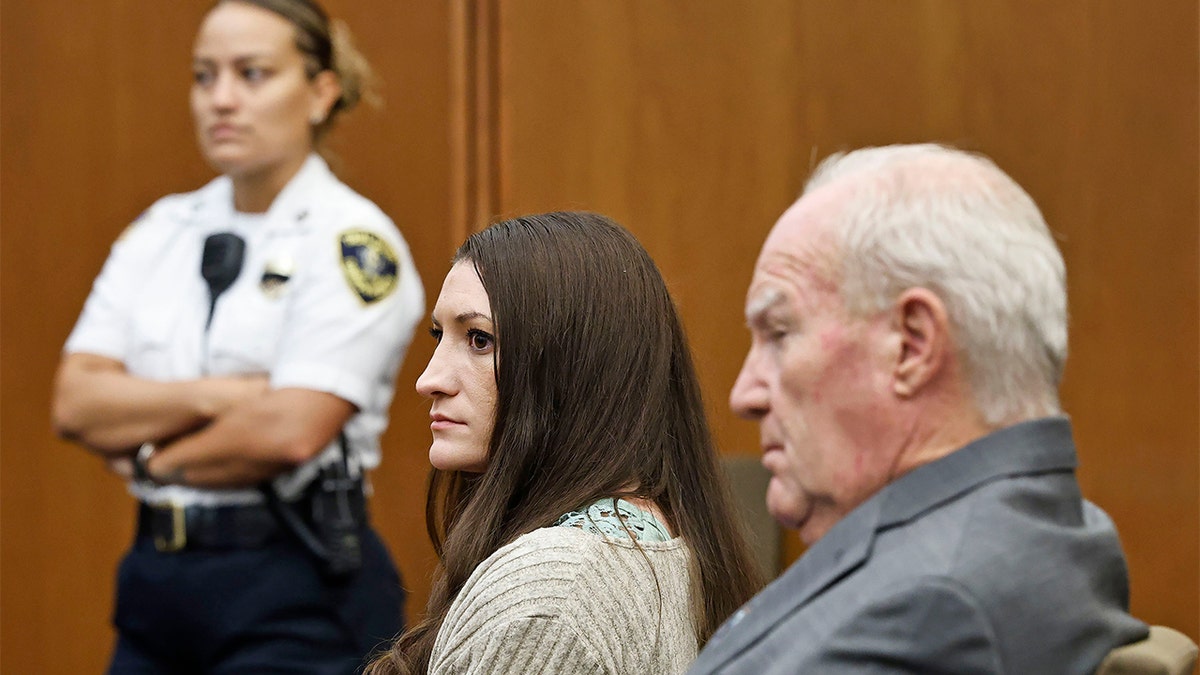
Lindsay Clancy looks at jurors as Judge Sullivan asks them to start deliberations for a sixth day. The Lindsay Clancy jury resumes deliberations for a sixth day on Thursday, Sept. 3, 2026. (Greg Derr/Pool The Patriot Ledger via AP)
“I think by all accounts, he did a wonderful job with this case, defending this woman in what is a horrific set of facts,” Yannetti told News Outlet. “I think Kevin has succeeded to a large degree already.”
Clancy faces three counts of murder in the deaths of her three young children: Cora, 5, Dawson, 3, and Callan, who was 8 months old. The jury has several possible outcomes before it, including convictions for first- or second-degree murder, manslaughter, or a finding that Clancy is not criminally responsible under her insanity defense.
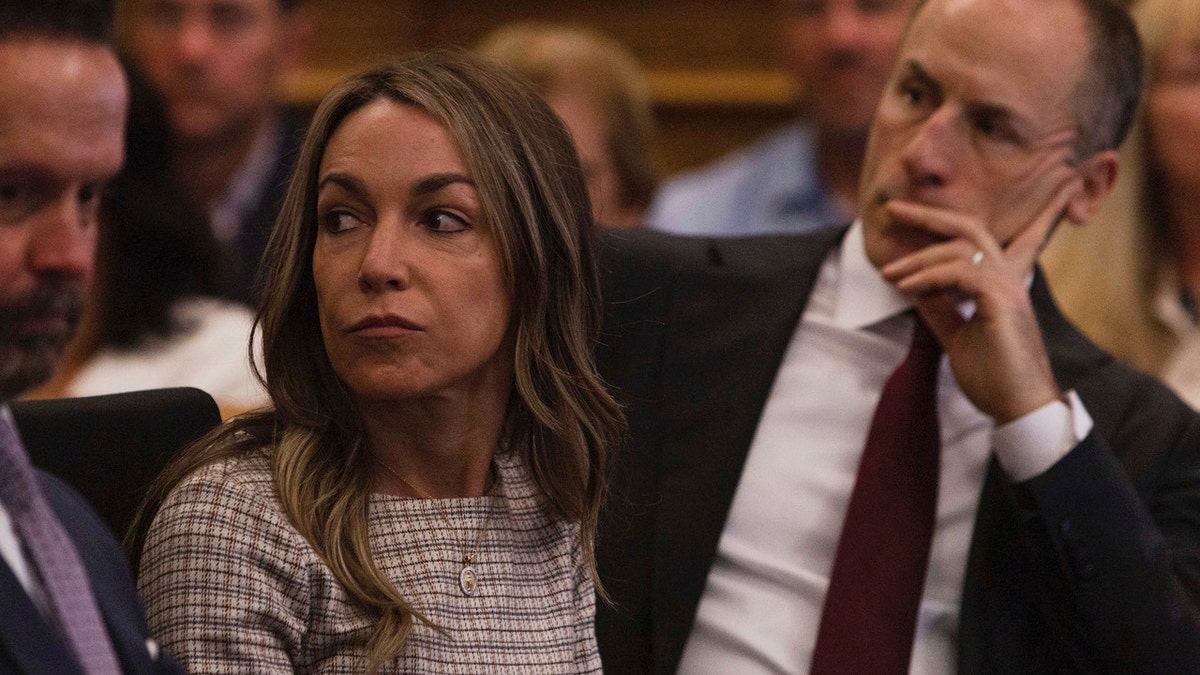
Karen Read and defense attorney David Yannetti listen to testimony during Read’s murder trial in Norfolk Superior Court in Dedham, Mass., Tuesday, June 3, 2025. (Libby O’Neill /The Boston Herald via AP, Pool)
Although the underlying facts in the two Massachusetts cases are sharply different, each has unfolded under a glare of public attention, extensive media coverage and intense online debate.
Judge William Sullivan, who is presiding over the Clancy trial, explained the prosecution’s burden of proof beyond a reasonable doubt after receiving a new note from the jury Thursday afternoon.
Then he sent jurors back to continue deliberating.

Callan, left, Dawson and Cora Clancy. The three children were killed at their Duxbury, Massachusetts, home in January 2023. (Lindsay Marie Clancy/Facebook)
With jurors out of the courtroom, Reddington made a fiery request to the judge, asking for the removal of an apparent single holdout whom he said another juror accused of failing to follow the law.
Sullivan rejected the request.
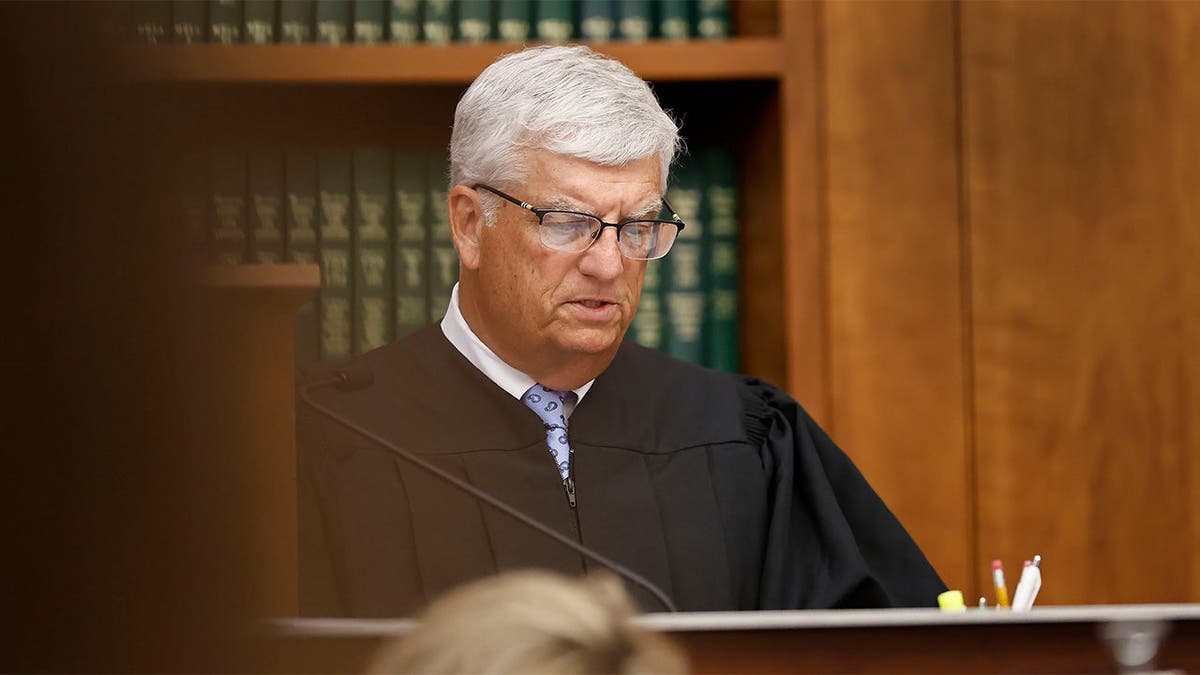
Superior Court Judge William Sullivan presides over day three of jury selection Wednesday, July 22, 2026 in the triple murder trial of Lindsay Clancy, who is accused of murdering her three young children in 2023 in their Duxbury, Massachusetts home. The case is being tried in Plymouth Superior Court. (Greg Derr/The Patriot Ledger via Pool)
“Refusing to deliberate and refusing to agree are not the same thing,” said retired Massachusetts Judge Carol Erskine, who is not involved with the case. She explained in an X post that judges are also required to be “extremely cautious” not to interfere with deliberations.
The court recessed for the day shortly after 4 p.m., and jurors will return Friday morning for their seventh day of deliberations.
The wait can be brutal for attorneys and their clients, Yannetti told News Outlet.
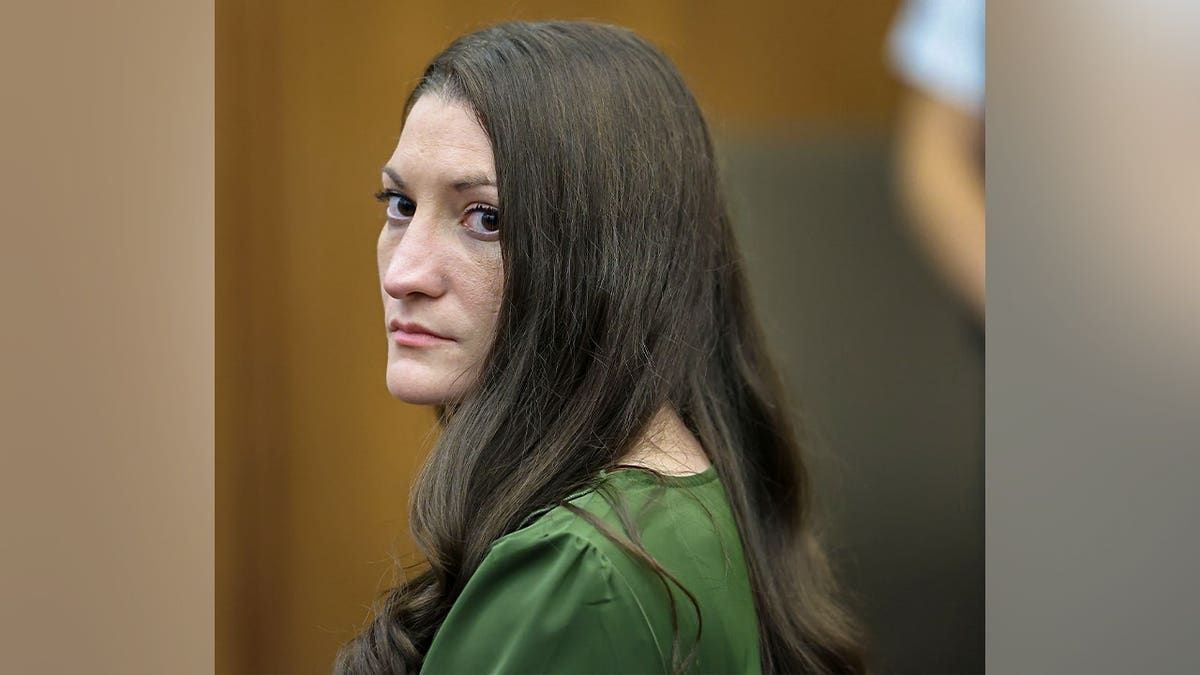
Lindsay Clancy is charged with murdering her three children. (Greg Derr/The Patriot Ledger via AP, Pool)
“It’s torture,” he said. Trial attorneys like to be in control, he explained, but once the jurors are out, there’s nothing to do but watch and wait.
“You’re all just sort of on the frying pan, being cooked,” he said.
Read’s first trial ended with a deadlocked jury after five days in 2024. She was acquitted of all homicide-related charges after her second trial last year, when jurors deliberated for four days.