Additional environmental testing began Sunday in the affluent Southern California community of Ladera Ranch after six cases of a rare form of cancer raised widespread concern among residents.
Students and researchers from Cal State Fullerton collected samples at three parks in the Orange County community. The testing follows growing alarm over cases of Ewing sarcoma, a rare bone and soft-tissue cancer reported among local residents.
The researchers are examining the parks for possible environmental factors that could be connected to the cancer cases.
“It’s very difficult to prove causation, and we don’t even know that this is environmental. It could be something else that’s potentially causing childhood cancers, but what we want to do is figure out if there is something in the environment. We can figure out if it’s here,” Daniel Curtis, a professor in the university’s chemistry department, told NBC 4.
Cal State Fullerton researchers could receive the test results as early as the end of this week.
The testing comes as Ladera Ranch residents call on the community’s homeowners association to stop using pesticides.
At a Ladera Ranch Maintenance Corporation meeting last Wednesday, at least 10 residents spoke about pesticide use. One of those residents was a mother whose son died of cancer earlier this year.
There is no clear evidence that pesticides caused the illnesses. Still, the deaths of several young people from the rare cancer in the small community have intensified residents’ fears.
A county-level review conducted in 2024 found no unusual pattern. However, officials acknowledged that the available data was limited and urged a more “focused assessment.”
Ewing sarcoma most commonly affects children and teenagers. The disease represents about 1% of childhood cancers, with approximately 225 children diagnosed each year, according to Johns Hopkins.
Even so, Ladera Ranch and surrounding areas have reported between nine and 12 cases of Ewing and synovial sarcoma, along with six deaths.
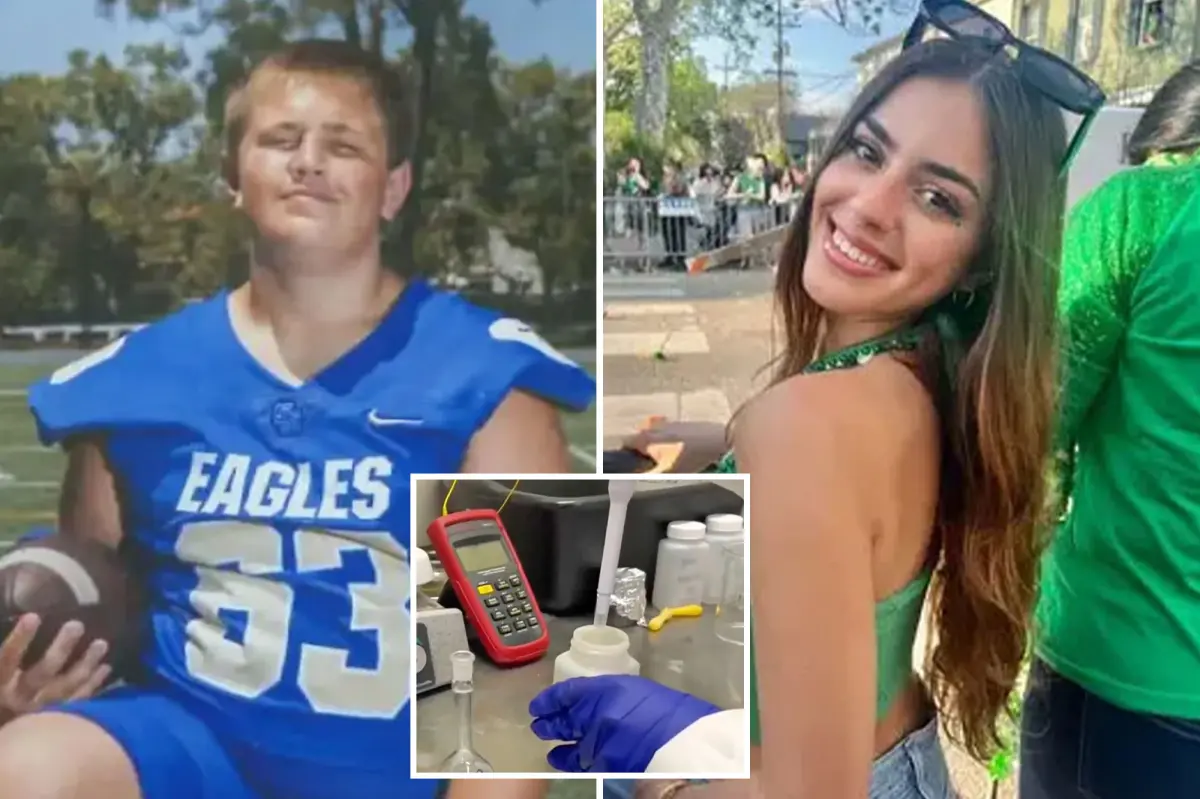
Lily Dalton, 23, died in January, while Brody Matteson, 17, died in March.
Researchers from USC have also agreed to conduct a separate investigation.