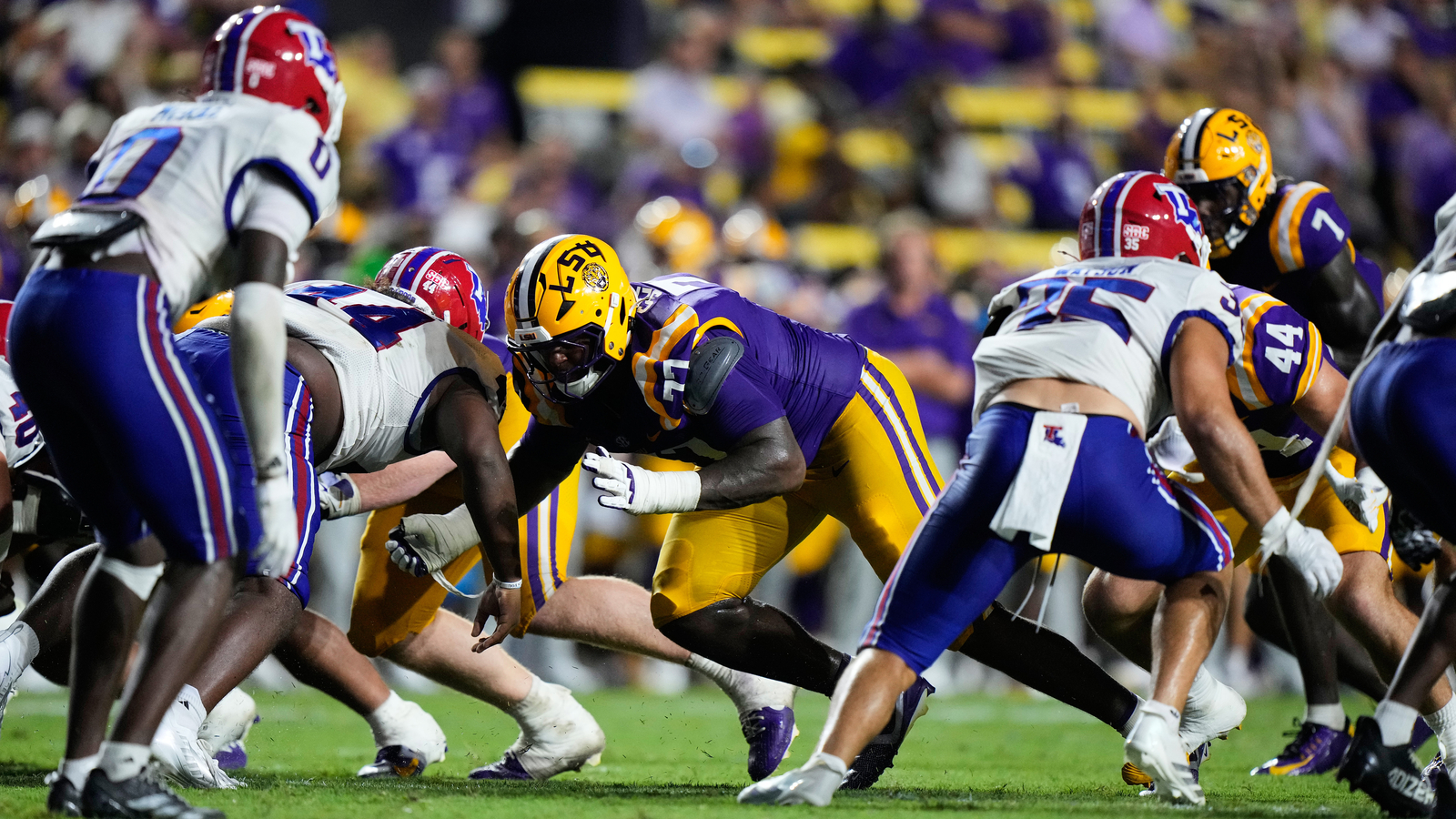

The Senate moved closer Tuesday to reshaping the college sports landscape, voting 74-24 to clear a procedural hurdle for legislation that could bring sweeping changes to how collegiate athletics is governed.
The bipartisan Protect College Sports Act would create a nationwide legal structure for name, image and likeness (NIL) agreements, athlete transfers and eligibility. Supporters say a federal standard is needed to replace the patchwork of state laws now governing college sports.
The measure also calls for additional protections for student-athletes, including limits on agent fees, along with scholarship and health care benefits. In return, it would expand the NCAA’s power to enforce uniform national rules. The push comes as college athletics faces mounting legal challenges and scrutiny over regulations that have complicated the relationship between athletes and their schools.
The legislation has the backing of the Trump administration. President Donald Trump said last month that he would sign the bill “immediately” if it reached his desk.
Republican Sen. Ted Cruz, the bill’s lead sponsor, framed the vote as a choice between national clarity and continued legal uncertainty. “The fundamental question before the Senate today, do we want college sports to have clear, national, enforceable rules, or do we want another decade of lawsuits, conflicting state laws, bidding wars, roster chaos, and uncertainty?” Cruz said before the vote. “The status quo is not working, and the people who will ultimately pay the price if Congress fails to act.”
Backers contend that the Protect College Sports Act would bring much-needed stability to college athletics. Critics, however, say it would strengthen the hand of schools and the NCAA without providing sufficient safeguards for the athletes at the center of the debate.
Under the proposed compensation system, schools could pay athletes directly through revenue-sharing arrangements. The bill would also shield the NCAA from federal antitrust lawsuits related to the enforcement of its rules.
Although the legislation could increase the portion of sports revenue reaching some athletes, opponents warn that earning limits and new regulatory requirements could ultimately weaken players’ negotiating leverage and restrict their income opportunities.
Democratic Sen. Cory Booker argued on the Senate floor that the bill primarily serves the institutions that run college sports. “They claim that schools and conferences and NCAA and coaches support the Protect College Sports Act. Of course they support it. They’re getting all the financial gain and putting all of the burden and compromises and givebacks to college athletes, including your ability to win in court,” Booker said ahead of the vote.
Booker added that many of the bill’s opponents believe it falls short of protecting athletes. “I could go on and on about those people who object to this bill because it is not protecting athletes. And think about this: it is doing all kind of things to stop players from earning money, putting bureaucracy between them and the possibilities,” he said.
The House is not expected to consider the legislation before lawmakers leave Thursday for the midterm recess.
Copyright © 2026 ABC News Internet Ventures.