
The surge in artificial intelligence data-center construction is adding pressure to the nation’s “borderline disturbingly high” inflation, as the sector’s extraordinary business investment indirectly pushes up service prices, Federal Reserve Bank of Chicago President Austan Goolsbee told reporters Thursday.
“The AI boom is contributing to the potential for the economy to overheat,” Goolsbee said. “It is difficult to view it any other way when business investment is reaching such major, almost unprecedented levels.”
Goolsbee, who is scheduled to become a voting member of the interest rate-setting Federal Open Market Committee in January, declined to predict the central bank’s next interest-rate decision. He said, however, that the Fed’s policy will depend on whether U.S. inflation is moving toward its 2% annual target.
“The evidence does not suggest that we are on a path back to 2%,” Goolsbee said.
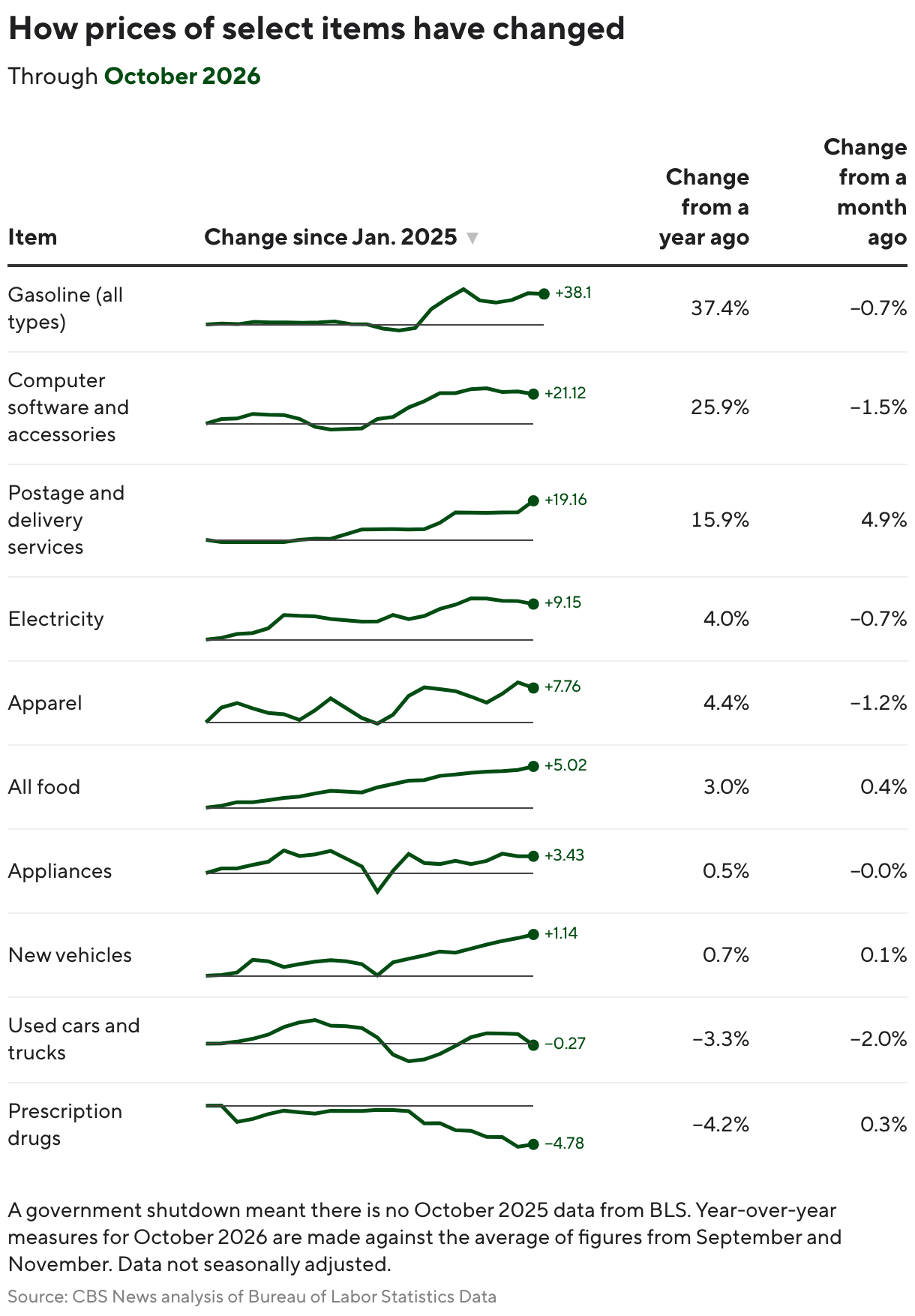
Consumer prices in the United States rose faster than economists expected in October, increasing 0.4%, according to government data. Although inflation in recent months has been driven largely by higher energy costs, the report also showed increases across other goods and services.

Goolsbee spoke after minutes from the Fed’s October meeting indicated that nearly all officials expected the central bank to raise its key interest rate by a quarter percentage point in December. Some officials had favored an increase in October, when the committee left rates unchanged, while two members backed a half-point hike at the next meeting.
IN CASE YOU MISSED IT: Trump Reportedly Launches Angry Tirade Over Europe’s Funding for Ukraine
The opportunities and risks linked to artificial intelligence were also highlighted Thursday by Anthropic’s blockbuster initial public offering, described as the largest in history. Anthropic shares surged 17% on their first day of Nasdaq trading, even as the broader market plunged and the Dow Jones Industrial Average fell by more than 1,100 points.
The wealth generated by the Anthropic IPO, which turned its seven co-founders into multibillionaires, is something policymakers will need to monitor, Goolsbee said.
“The question of what people are going to do with that money … will become a macro-relevant statistic,” he said.
At the same time, consumer sentiment remains weak despite relatively strong economic conditions, creating a puzzle for economists. Goolsbee said inflation is one explanation, with Americans generally feeling “very sour” about rising prices.
Most Americans are not benefiting from the AI boom or Anthropic’s IPO. Instead, they are facing higher prices without sharing in the gains produced by the sector’s rapid expansion.
“Consumer sentiment about inflation has not been wrong,” Goolsbee said.