To Prohibition-era gangsters, history enthusiasts and true-crime followers, he was Meyer Lansky—the financial strategist who helped build an international gambling empire. To his grandson, however, he was simply “grandpa.”
In his new book with S. J. Peddie, The Lansky Legacy: The Life and Letters of Meyer Lansky, Meyer Lansky II offers a personal portrait of the late mob boss through family letters, photographs and memories from his own life.
“He never mentioned the names of anybody that he worked with. He was always cautious with that,” Lansky told News Outlet.
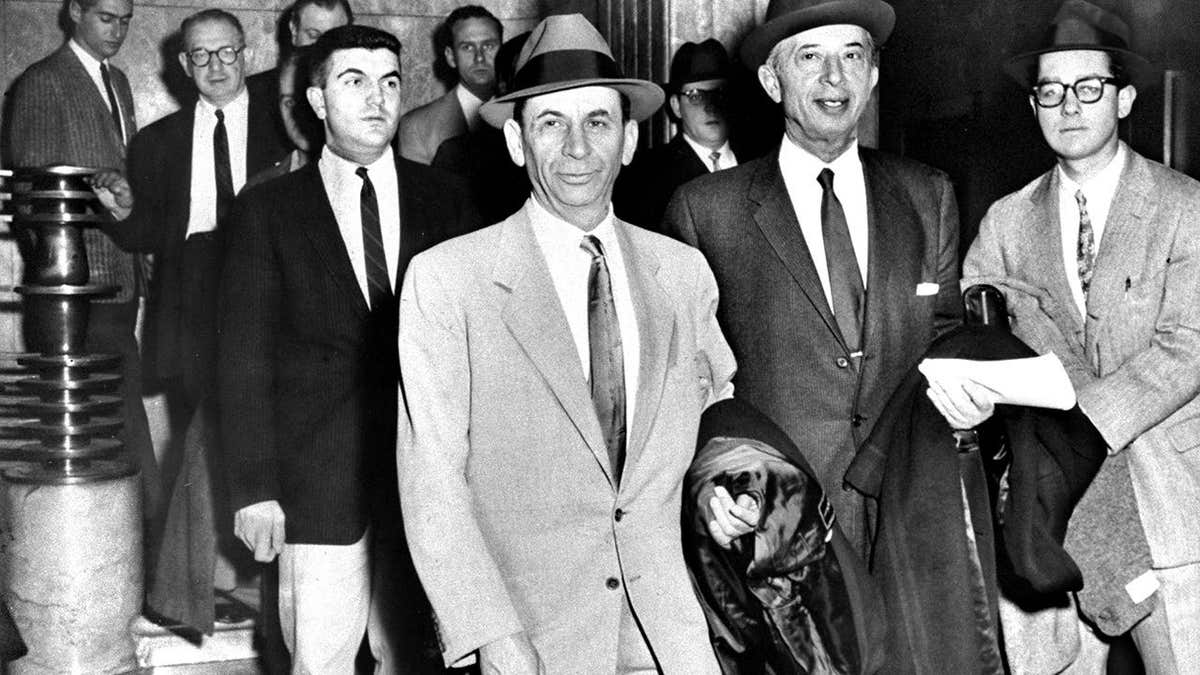
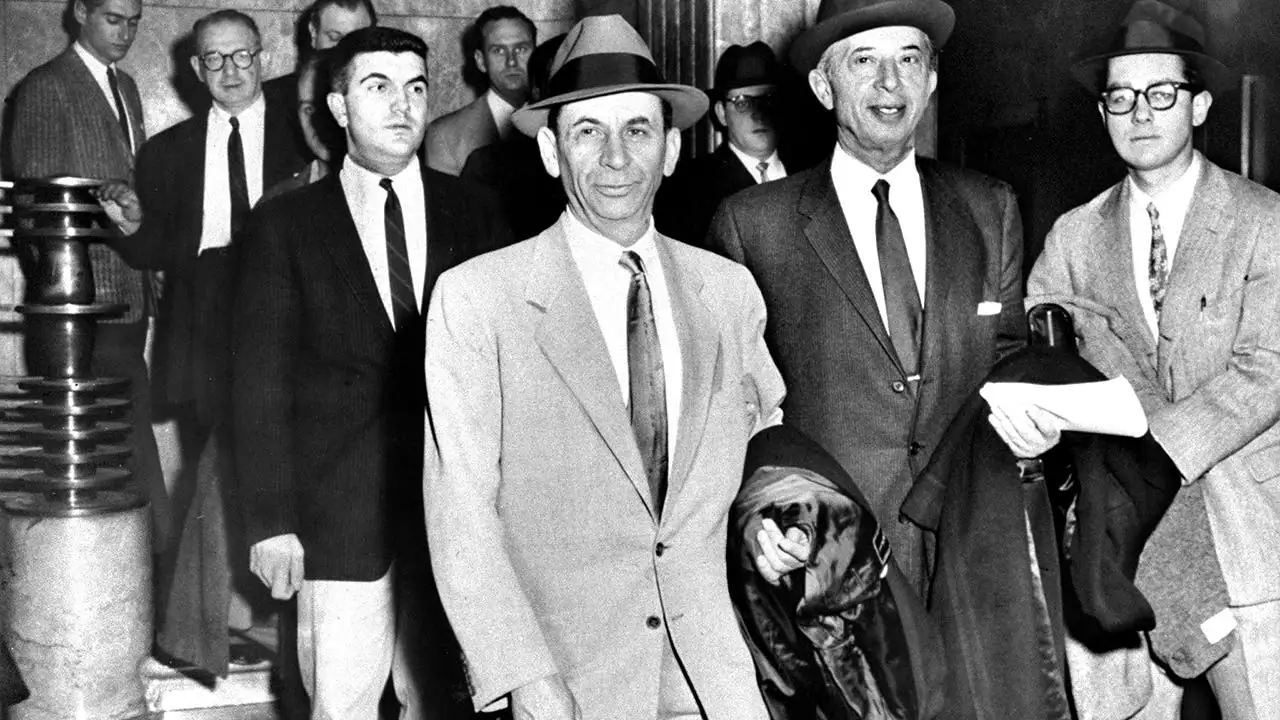
Underworld figure Meyer Lansky, center, with his lawyer Morris Polankoff. Lansky was a key figure in ushering in the mob’s golden era. (NY Daily News via Getty Images)
Raised in Washington state, the younger Lansky first knew his grandfather as a stern, reserved man who kept his personal worlds strictly separate. Meyer Lansky never discussed his underworld activities with him. Instead, he taught his grandson how to carry himself, down to seemingly minor details such as tie pins and shoehorns.
“Growing up in Washington state, I wasn’t exposed to those kinds of things anywhere else,” Lansky said. “He was always asking me about my grades, my studies and what books I was reading.
“He’d give me basic advice: ‘Whatever you do, do a good job. Be honest with people, provide good service and people will come back to you.’”
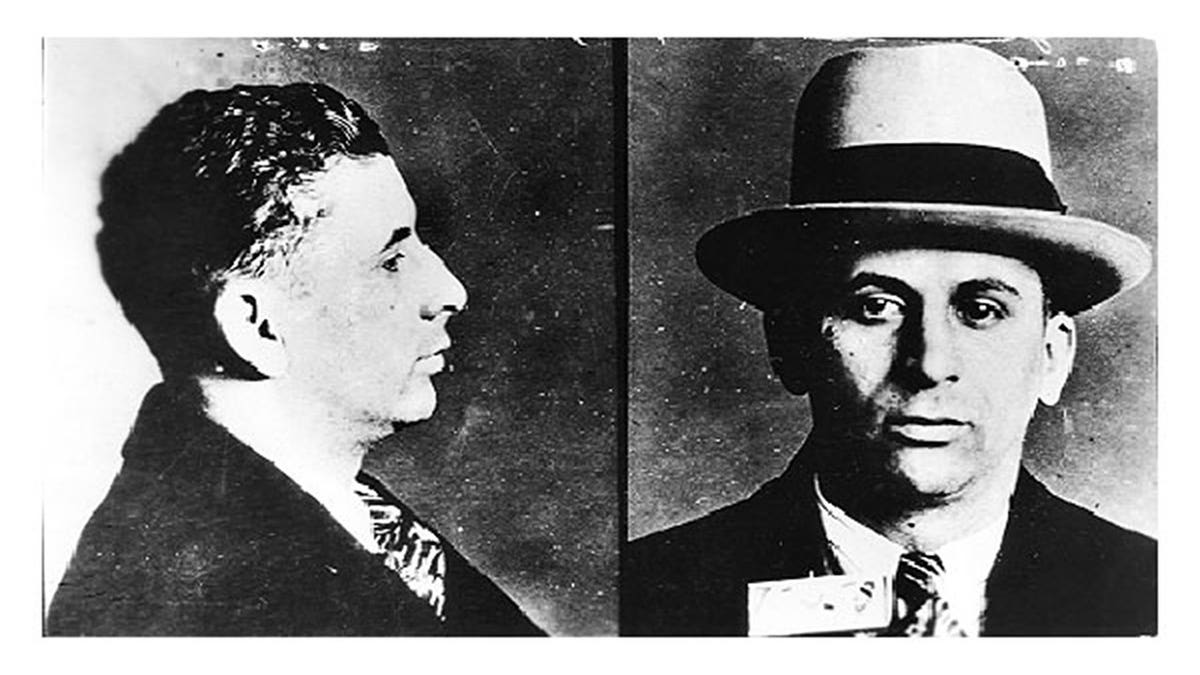
Meyer Lansky’s mugshots, circa 1935. Lansky remained the focus of federal investigations for decades. (Getty Images)
Often called the “mob’s accountant,” the elder Lansky rose to prominence in the early 20th century alongside childhood friends Benjamin “Bugsy” Siegel and Charles “Lucky” Luciano. Together, they reshaped organized crime and established profitable gambling operations stretching from Havana to Las Vegas.
“He was right alongside Luciano and Bugsy Siegel during the transformation of the syndicate into the modern American Mafia,” Lansky said.
That notoriety also created a real danger for the family. Lansky recalled a frightening episode from childhood in which his grandfather’s reputation—and the wealth people believed he possessed—nearly made him the target of a kidnapping.
As he grew older, Lansky began to see beyond the carefully maintained family image.
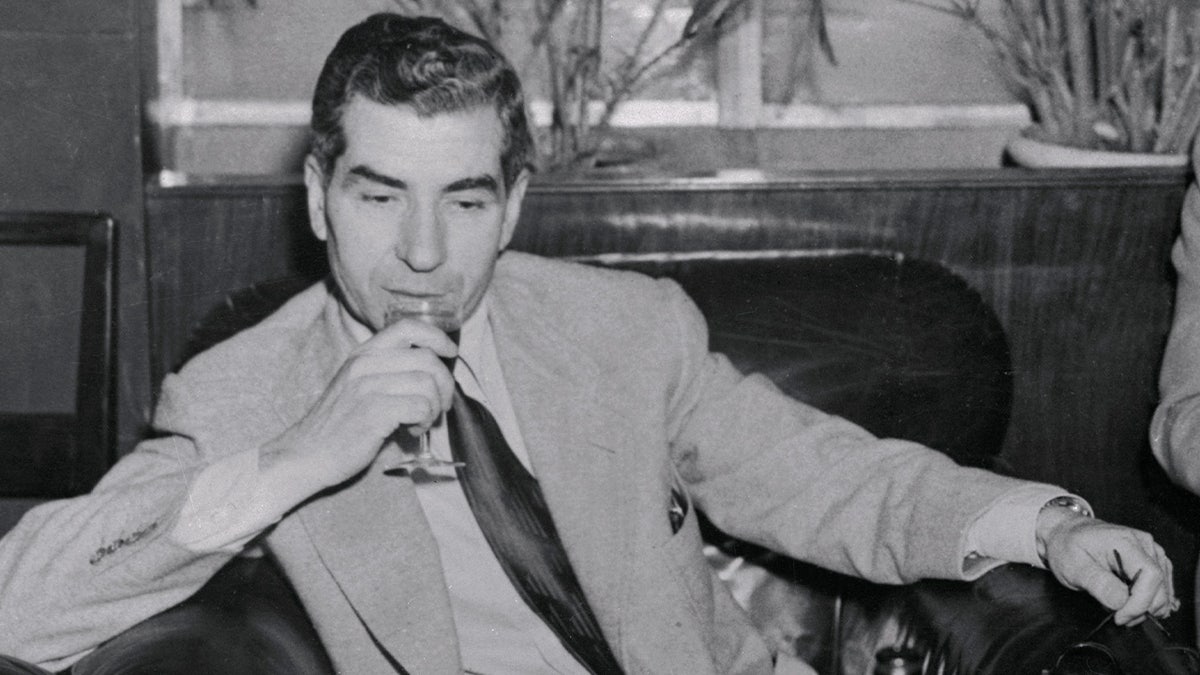
Lansky was linked to Charles “Lucky” Luciano, above, the infamous 20th-century mobster. (Getty Images, File)
“One day I was listening to the radio and heard that Treasury Secretary John Connally was going to Las Vegas to investigate Meyer Lansky,” he said, referring to the federal government’s unsuccessful, decades-long effort to convict his grandfather.
“When my grandfather visited a week later, I told him, ‘Hey, I heard your name on the radio.’ He looked at me, smiled, and said, ‘You did?’ He didn’t elaborate, but I knew at that point he realized I was going to figure out who he really was.”
Mob historians maintain that the Polish-born gangster perfected modern money laundering and accumulated an enormous fortune. Yet one question continues to linger: What became of the money?
If the elder Lansky did hide millions, his grandson said, none of that fortune ever reached the family.
What remains, however, is a tangible legacy that cannot be easily dismissed.

Lansky, widely known as the “mob’s accountant,” rose to prominence by developing profitable gambling operations from Havana to Las Vegas. (Clive Mason/Getty Images, File)
“He was heavily involved in transforming the American Mafia into something that still holds an irresistible, nostalgic grip on culture,” Lansky said. “These guys are major figures of history.
“They took a barren desert and turned it into a sophisticated gambling empire.”