
Gen Z is moving away from sleek, ultra-modern interiors in favour of homes that channel the warmth and character of “Grandma’s House”.
Britain’s youngest adult generation is showing a growing preference for dark wood furniture, patterned textiles and other design details linked to the 1970s, according to interior experts.
The reign of grey walls and minimalist styling appears to be fading. In its place, Gen Z is embracing maximalism: layered rooms filled with ornaments, vintage floral lamps, ceramics and carefully chosen clutter.
Celebrity influence has helped propel the look into the mainstream. Kendall Jenner, for example, unveiled her “granny chic” mountain home in Wyoming in December last year.
Homeware retailers have also revived the once-dated aesthetic. High street brands including Zara are stocking crystal glasses, floral crockery, patterned blankets and vases designed to evoke a vintage interior.
Interior designers at My Bespoke Room, who have worked with dozens of clients aged between 18 and 30, say they are seeing the same shift among TikTok users. The firm has dubbed the emerging style “Grandma’s House”.
Designer Milena Vallier said: “Gen Z want classy clutter, mid-century furniture, brought up to date with modern tones.”

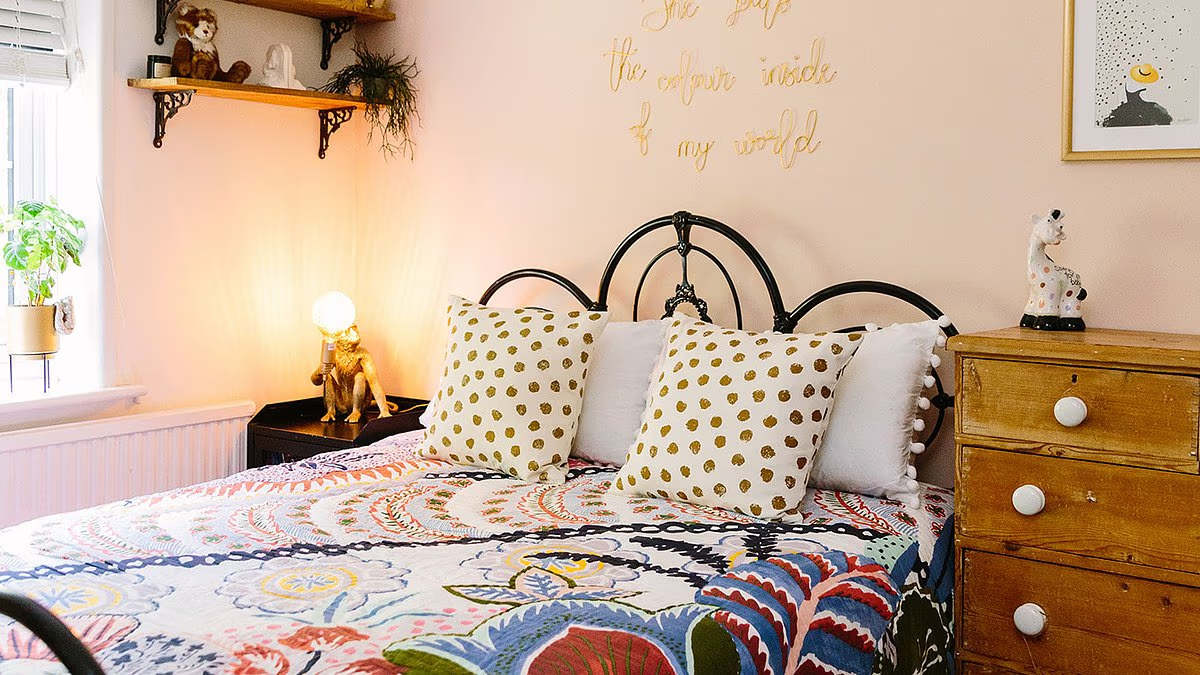
This Gen Z bedroom combines aged wooden furniture with bold vintage patterns, distinctive lamps and eye-catching ornaments

The living room features a £150 vintage storage unit, a £60 leather armchair and a £10 globe

Vintage artwork is proving popular with younger homeowners. This room includes £5 floral paintings, £10 framed pieces and a larger £35 print
Over the past year, My Bespoke Room has designed 42 living rooms for Gen Z clients, with an average spend of £965. Full-room design packages accounted for 88 per cent of those projects.
Living rooms were the most requested spaces, accounting for 48 per cent of projects. A further 26 per cent of customers sought help with their kitchens, while 15 per cent wanted to create an office or dedicated workspace.
Although most Gen Z adults in the UK still live with their parents, a recent study found that 34 per cent expect to purchase their first home in 2026.
Furniture once dismissed as unfashionable hand-me-downs is now being given a second life. Original 1970s pieces found in charity shops or second-hand stores are particularly sought after.
Instead of buying coordinated furniture sets, younger homeowners are creating more individual interiors by combining colours, patterns and pieces from different periods.
Chocolate brown, burgundy, earthy green and butter yellow are among the preferred shades, often paired with warm neutrals and more unexpected colour combinations.
Dark timber is making a strong comeback, joined by coloured glass, ceramics, chrome, brass and richly textured fabrics.
Rather than hiding belongings and keeping every surface bare, Gen Z is putting personality on display with books, framed prints, candles, ceramics, unusual lighting and decorative ornaments.

Maximalism is taking hold among Gen Z, with rooms layered with decorative pieces. This space includes a £50 rattan chair, a £75 green console table and a £30 plant stand

An ornate mirror adds another classic touch to this living room, echoing the look of a traditional grandmother’s home

Britain’s youngest generation of adults are embracing dark wooden furniture and patterned fabrics

A kitchen and dining room features mismatched chairs that look obviously secondhand
They are also more comfortable combining second-hand and vintage furniture with high-street purchases and expensive statement pieces.
That means a £40 vintage table can happily sit alongside a £1,500 sofa with no attempt to disguise the difference.
Gen Z homes tend to perform multiple jobs, particularly in smaller properties where one room is used for working, relaxing, entertaining and storage – while it must still look good for ‘The Gram’.
Design inspiration for Gen Z comes from TikTok, Instagram, Pinterest, interiors creators, restaurants and hotels, as well as second-hand marketplaces.
My Bespoke Room founder Laura Simpson said: ‘While Gen Z may believe they’re ripping up the rulebook, many of their favourite trends will look extremely familiar to their grandparents.’