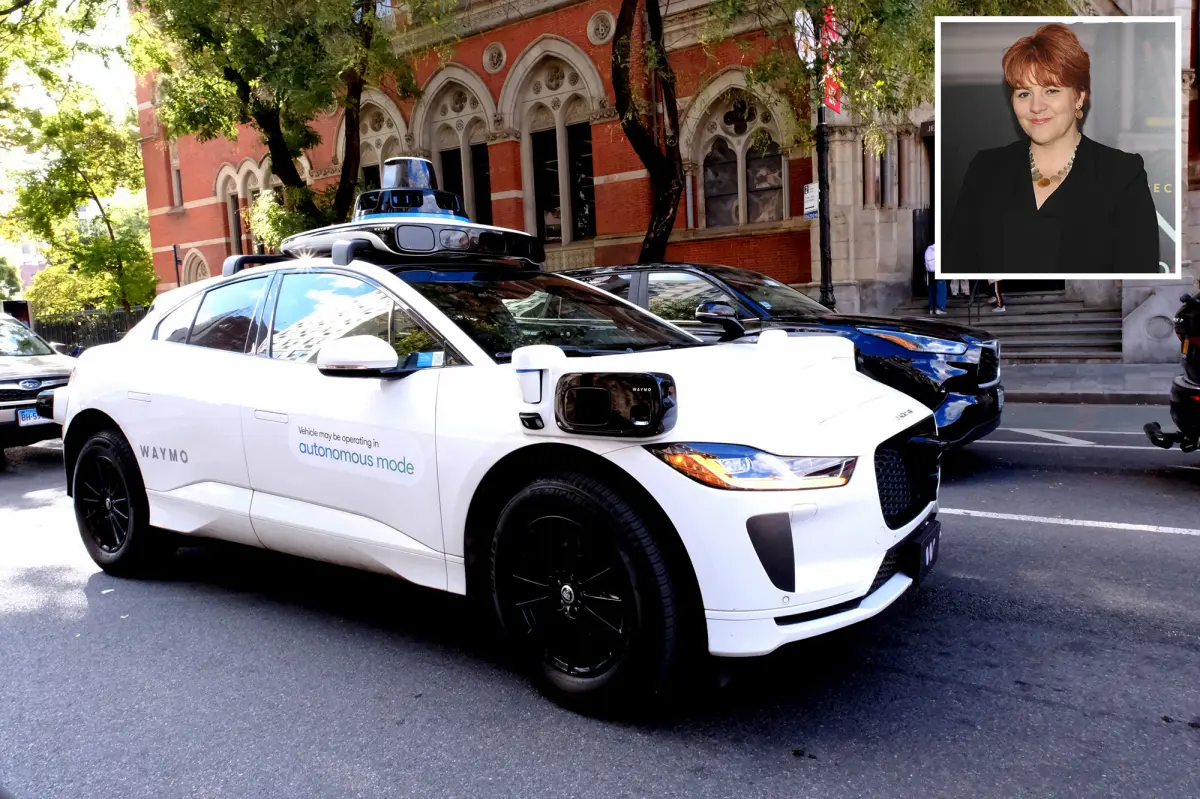
A new nonprofit is campaigning to bring driverless robotaxis, including Waymo, to New York after a report intended to highlight the vehicles’ safety risks was forced to retract a key part of its analysis.
Waymo, the autonomous-driving company owned by Google parent Alphabet, saw its New York City pilot expire in March. The company’s vehicles remain on city streets, however, with human drivers behind the wheel as they continue testing and collecting data.
The nonprofit A Better Road Forward is now taking its case directly to New Yorkers, launching television advertisements aimed at voters and planning informational events across the state, Politico reported.
“For too many New Yorkers, safe and reliable ways to get around still depend on where you live,” said former City Council Speaker Christine Quinn, who is involved in the campaign. “The women and families I work with know that better than anyone — a late shift, a subway that doesn’t come, a stretch of street you don’t want to walk alone at night.”
Gov. Kathy Hochul previously rejected a proposed Waymo expansion in upstate New York after opposition emerged from taxi drivers and labor unions.
Companies seeking to participate in an autonomous-vehicle pilot may still submit applications through the state Department of Motor Vehicles and the New York City Department of Transportation.
A recent report by groups opposed to robotaxis had to withdraw a significant portion of its findings after researchers improperly analyzed crash data. The report initially suggested that Waymo vehicles were more dangerous than traditional taxis and other for-hire services.
The August report compared New York City’s much narrower “critical injury” classification — injuries requiring life-sustaining treatment in an intensive care unit — with Waymo’s broader “serious injury” category. Waymo’s measure includes fractures, severe cuts and other major injuries that may not be life-threatening.
After the comparison was corrected, Waymo’s nationwide injury-crash rate stood at 0.712 incidents per million miles, compared with 1.871 per million miles for New York City taxis and for-hire vehicles — roughly 62% lower.

Even so, the revised analysis of crashes involving fatalities or serious injuries relied on just three Waymo-related vehicle crashes nationwide: two in the Bay Area and one whose location was not identified.
The report was released not long after Sam Schwartz published Autokill, a work of fiction centered on a terrorist plot involving autonomous vehicles.
Representatives of the Sam Schwartz Transportation Research Program at Hunter College did not respond to requests for comment.
“We’re eager to work with the administration and with leaders around the state to create a thoughtful policy framework that allows for the deployment of autonomous vehicles,” a Waymo spokesperson told The Post.