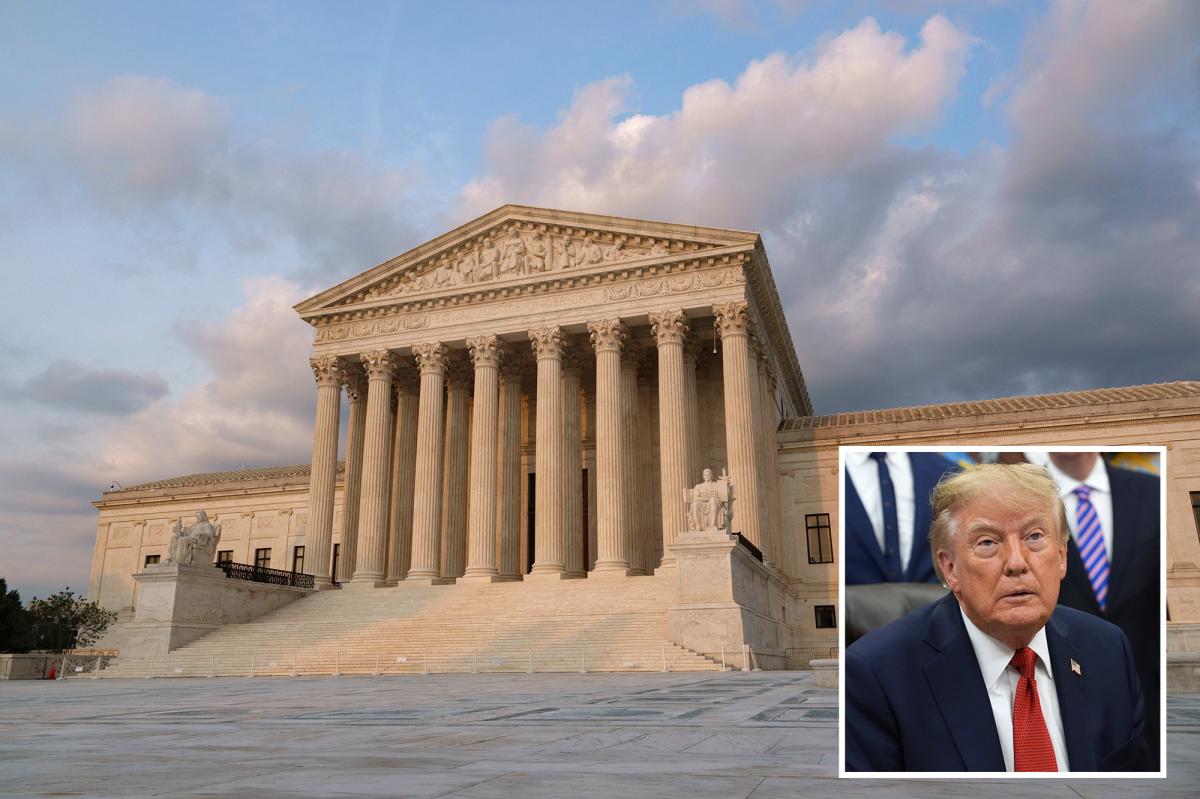

The Supreme Court ruled Friday that the Trump administration may review Social Security numbers, citizenship records and other personal data when determining voter eligibility for the Nov. 3 midterm elections. The decision overturned a lower-court order and delivered the White House a temporary win on a central election issue.
In an unsigned per curiam opinion, the court’s six conservative justices said the Department of Homeland Security could use the Systematic Alien Verification for Entitlements (SAVE) system to conduct “individualized inquiries” — with the emphasis in the original opinion. The justices cautioned, however, that the 2026 election cycle was already too far along for state and local officials to carry out broad voter-roll purges.
The ruling reverses a June decision by DC US District Judge Sparkle L. Sooknanan, who prohibited DHS from using SAVE. The database was created 40 years ago to prevent government benefits from being distributed to noncitizens. It was later overhauled in response to President Trump’s March 2025 executive order directing officials to ensure that only Americans vote in national elections.
DHS had expanded the system to include natural-born citizens and permitted bulk searches based on names, dates of birth and Social Security numbers, instead of the specialized identification numbers issued by the agency.
RELATED: Pittsburgh Doctor Murder Suspect Was Released Without Bail on Burglary Charge, Court Records Show
In her 75-page opinion, Sooknanan wrote that “Congress put protections in place to prevent precisely this type of centralized data bank.” She also accused the administration of “haphazardly combin[ing] and repurpos[ing] the private information of millions of Americans,” including citizenship data officials knew was unreliable. That approach, she said, allowed states to “actively remov[e] United States citizens from voter rolls based on inaccurate information.”
The Supreme Court majority rejected that reasoning, stating that “the Federal Government has an obligation to respond to requests from state and local election officials seeking to verify the citizenship of voters.” The justices added that Sooknanan’s order blocked the federal government from using the system it considered best suited for verifying voter citizenship.