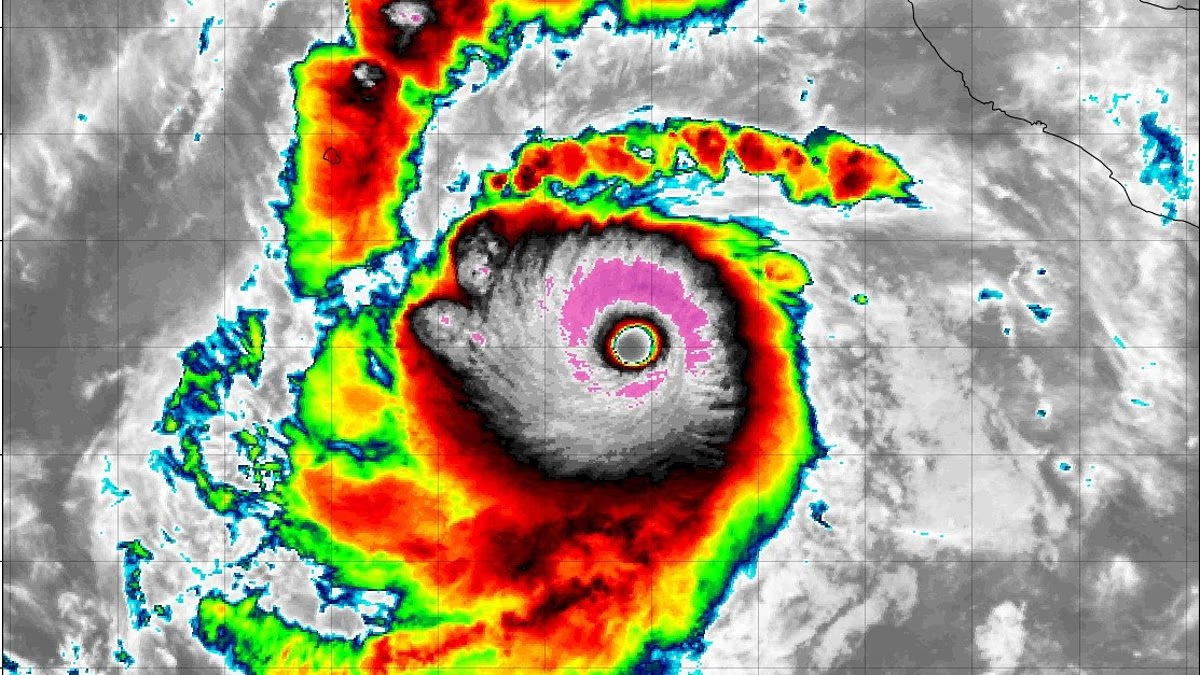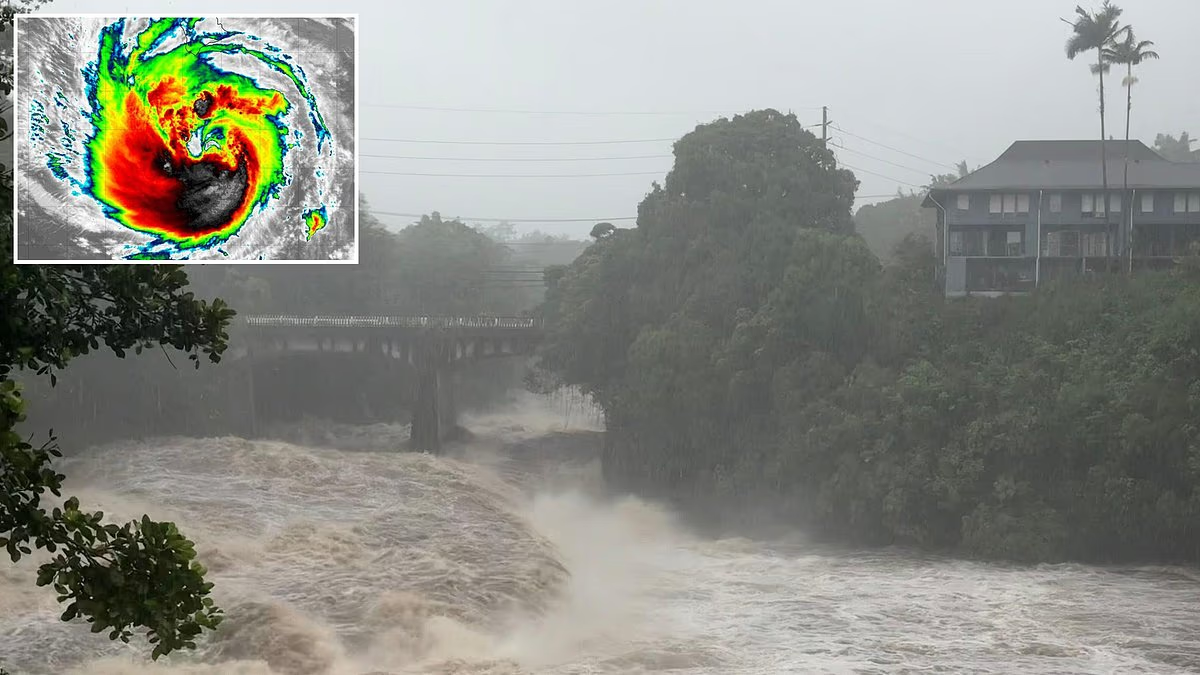
Hurricane Nolo is threatening Hawaii with catastrophic flooding as the dangerous storm approaches the islands, putting more than one million Americans at risk this weekend.
Hawaii has already declared a state of emergency, while forecasters warn that Nolo could produce historic rainfall, with the Big Island—officially known as Hawaii Island—expected to face the greatest danger.
AccuWeather meteorologists say the prolonged storm could unleash up to 55 inches of rain on the Big Island, an amount equivalent to nearly five feet of precipitation.
If the forecast holds, Nolo would rank as the second-wettest hurricane ever recorded in Hawaii, behind Hurricane Lane, which delivered 58 inches of rain in 2018.
The National Hurricane Center (NHC) cautioned: ‘Life-threatening, catastrophic flooding and mudslides are possible, especially in areas of steep terrain across the eastern and southern portions of the Big Island and Maui.’
Officials across the islands are urging residents and visitors to prepare for possible evacuations, particularly those living or staying in flood-prone locations as Nolo draws nearer.
While Nolo is not expected to make landfall, AccuWeather forecasts at least two to four inches of rain across the island chain. The hurricane was approximately 140 miles from Hawaii at the time of the report.
Maui and the Big Island could also endure sustained, hazardous winds of 60 to 80 mph through Monday.

Hurricane Nolo could strengthen into a Category 4 storm this weekend, bringing winds of more than 130 mph

Hawaii residents began taking precautions this week ahead of the threat of catastrophic flooding
Nolo developed into a tropical storm Wednesday, less than 400 miles south of the Hawaiian islands, and has continued to intensify gradually throughout the week.
AccuWeather and the NHC both forecast that Nolo could reach major hurricane strength by Saturday afternoon, becoming a Category 3 system with sustained winds above 111 mph.
Saturday is expected to bring the most serious conditions for Hawaii, when Nolo makes its closest pass to the islands.
The heaviest rain and potentially hurricane-force winds are forecast for the exposed eastern slopes of the Big Island. Some projections indicate that the area could receive at least two feet of rain.
Maui, a popular tourist destination about 30 miles west of the Big Island, is also expected to see worsening rainfall and possible tropical storm conditions Saturday, with winds ranging from 40 to 60 mph.
READ MORE: China Plans U.S. Coal Purchases as Bilateral Trade Talks Continue
Maui County Mayor Richard Bissen said in a statement: ‘During this above-normal hurricane season, recent storms remind us that we cannot afford to be complacent.’
‘Our top priority is the safety of our community. Now is the time for all of us to review household emergency plans, check supplies and make sure you can receive important alerts and information.’
National Weather Service officials in Honolulu issued a direct warning: ‘Leave immediately if evacuation orders are given for your area.’

Hurricane Lala killed at least two people and caused billions of dollars in flood and mudslide damage in August

Forecasters warn that more than three feet of rain could fall across Hawaii’s Big Island

A prediction of 55 inches of rain by AccuWeather would make Hurricane Nolo the second wettest hurricane in Hawaii’s history
Hawaii’s Big Island is home to more than 200,000 people, and the island is still recovering from the devastating effects of Hurricanes Lala and Lowell this summer.
The storm destroyed over 100 homes, damaged hundreds more and killed at least five people across the state, with the heaviest damage occurring on the Big Island during Lala’s approach on August 15.
Downpours, flooding and mudslides, similar to what is expected during Nolo, led to more than 100 homes on the Big Island being washed away during the August hurricane.
Hurricane Lowell struck the opposite end of the island chain in September, causing widespread power outages and property damage on the islands of Kauaʻi and Niʻihau.
Emergency shelters have been opened on the Big Island ahead of the hurricane’s arrival.
Hawaii County Mayor Kimo Alameda said in a statement: ‘If your home flooded before, or is at risk, consider moving to safer shelter before the full force of the storm hits. Because the ground remains saturated, flooding may happen rapidly.’
By Sunday, Nolo is expected to start moving away from Hawaii, although the hurricane will likely continue strengthening, growing into a Category 4 storm with winds surpassing 130 mph.
Rain and flooding will likely continue before gradually easing heading into the new week.