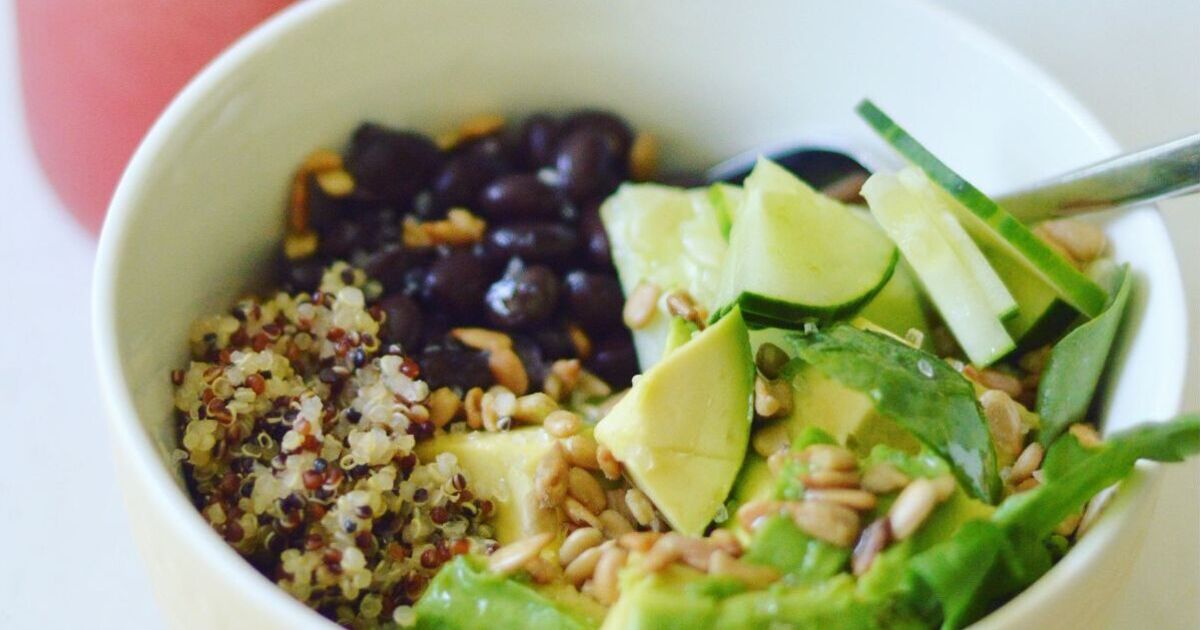

Increasing your fibre intake may help reduce the risk of cardiovascular disease (CVD) and coronary heart disease (CHD), according to research published in the British Medical Journal. The study examined the relationship between dietary fibre consumption and both conditions, finding that people who ate more fibre generally had a lower risk of developing CVD and CHD.
The results support existing advice to eat more fibre. Researchers found that every additional 7g of total fibre consumed per day was linked to a 9% lower risk of both cardiovascular disease and coronary heart disease.
“Because CVD is one of the major causes of death in the UK and prevalence rates among the population are estimated to be around 13-16%, small reductions in risk could affect many thousands of individuals,” the study’s conclusion states.
The researchers noted that an extra 7g of fibre, measured using the AOAC method, could come from one portion of whole grains alongside beans or lentils, or from two to four portions of fruit and vegetables.
Nuffield Health highlights a range of fibre-rich foods from different food groups, giving people plenty of simple ways to add an extra 7g to their daily intake.
Here are five high-fibre options that can be easily included in everyday meals:
Lentils
Lentils offer an inexpensive way to increase both protein and fibre intake. They work well in curries, while tinned lentils are already cooked and can be stirred directly into a sauce as it simmers.
Nuffield Health says lentils provide 7.9g of fibre per 100g.
Avocados
Avocados have become a popular choice for breakfasts and brunches in UK households in recent years. Alongside their other health benefits, they provide 6.7g of fibre per 100g.
Chickpeas
Chickpeas deliver both fibre and protein, making them a popular meat alternative in salads, curries and pasta dishes, particularly among vegetarians and vegans. They are often available for less than £1 in supermarkets and contain about 7.6g of fibre per 100g.
Chia seeds
Chia seeds can be mixed into smoothies, porridge or cereal for a substantial fibre boost. With around 34.4g of fibre per 100g, only a small amount is needed to increase your daily intake.
Black Beans
Black beans are another affordable and versatile source of fibre. They can be added to salads, blended into vegetarian burgers, stirred through sauces or cooked into chilli. According to Nuffield Health, black beans contain 8.7g of fibre per 100g.