
Unchecked mass migration, especially in Western countries that have received millions of people from developing nations, can weaken national sovereignty, according to one expert. The issue was also central to President Donald Trump’s address last week to world leaders at the United Nations General Assembly.
As migrants continue arriving in Western countries, governments are facing pressure on public resources and growing friction between newcomers—including some who entered illegally—and native-born residents. Many citizens believe officials have failed to protect their interests or preserve their cultural identity.
That resistance runs counter to the idea of “global citizenship” promoted by organizations such as the World Economic Forum and through U.N. initiatives. At the same time, nationalist opposition has gained momentum under leaders including Trump.
Lora Ries, director of the Border Security and Immigration Center at The Heritage Foundation, told News Outlet that non-governmental organizations and other grantmaking networks are behind much of the support for illegal migration.
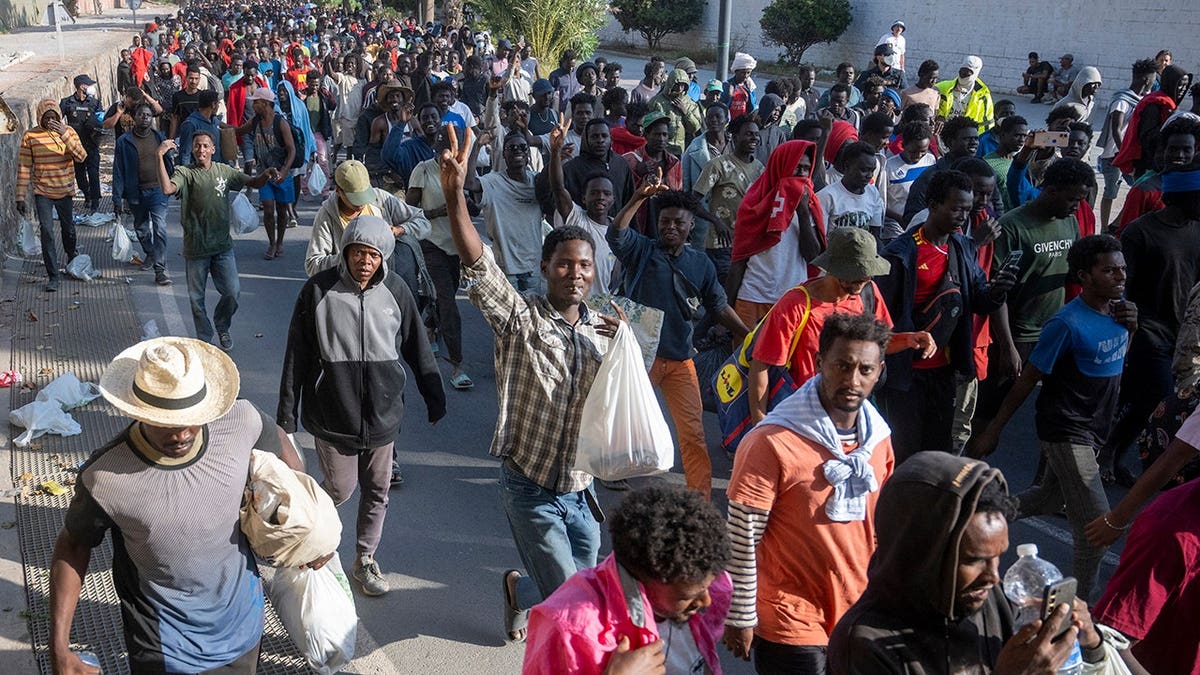
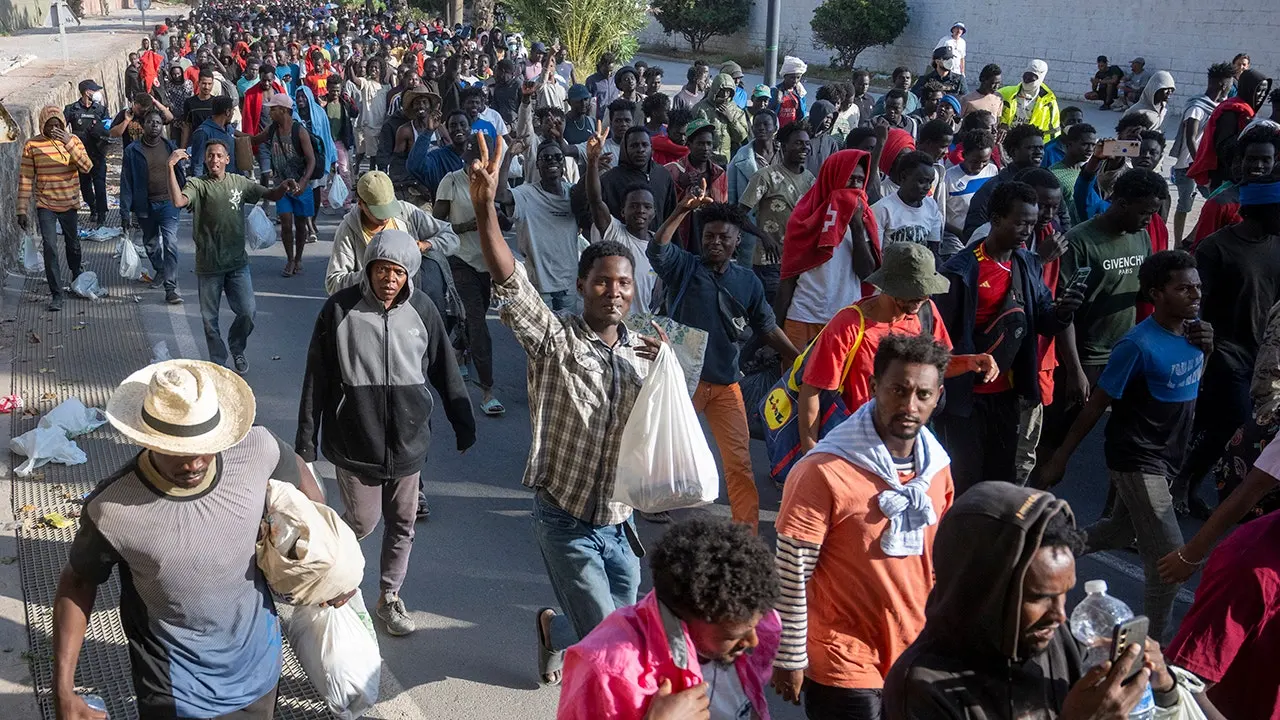
Migrans in in Ceuta, Spain, on Aug. 20, 2026. The migrants were relocated following a historic mass influx of more than 70,000 migrants who crossed the Tarajal on July 30 and 31. Experts have warned that mass migration can erode the sovereignty of the countries that taken them in if the influx is left unchecked. (Europa Press via Getty Images)
“It’s no coincidence that we’ve seen the same tactics in a handful of countries at the same time, whether that’s to the U.K., to France, to Germany, other parts of Western Europe, or to the U.S., particularly during Biden’s four years,” said Ries. “And what that does is it erodes the sovereignty of the nation-state. So no longer do people in a nation get to decide who’s coming, how many, for what reason, and for how long, and whether people are complying with our laws.”
Organizations including the United Nations, the World Economic Forum and the International Organization for Migration support managed, legal and orderly migration. They describe cross-border movement as a natural feature of economic and demographic change.
Critics of mass migration, however, argue that European nations are being pushed beyond their capacity as large inflows reshape local demographics and culture. Ries pointed to what she described as limited assimilation among some migrants, the growth of ethnic enclaves, changes in language use and reluctance among law enforcement agencies and elected officials to confront the issue because of political correctness.

Migrants run and cheer as they cross on foot into the North African enclave of Ceuta from Morocco, after swimming over from the Moroccan side and overwhelming police at the city’s breakwater, according to Spain’s Guardia Civil, in Ceuta, Spain, July 30, 2026. (FARO TV via Reuters)
“And now we’ve got Western countries like the U.K. and France really teetering on, are they still the same countries?” said Ries. “The U.S. is on the same path—we’re just further behind. And so now… we have to ask ourselves, ‘Do we want to continue down the same path that the U.K. has been on? Or do we want to get off this path?’”
In his speech to the United Nations General Assembly last week, Trump repeated his administration’s firm stance on border enforcement and used the address to criticize the U.N.
MORE STORY: Meghan Markle Faces Mockery Over Her Latest Hosting Tips
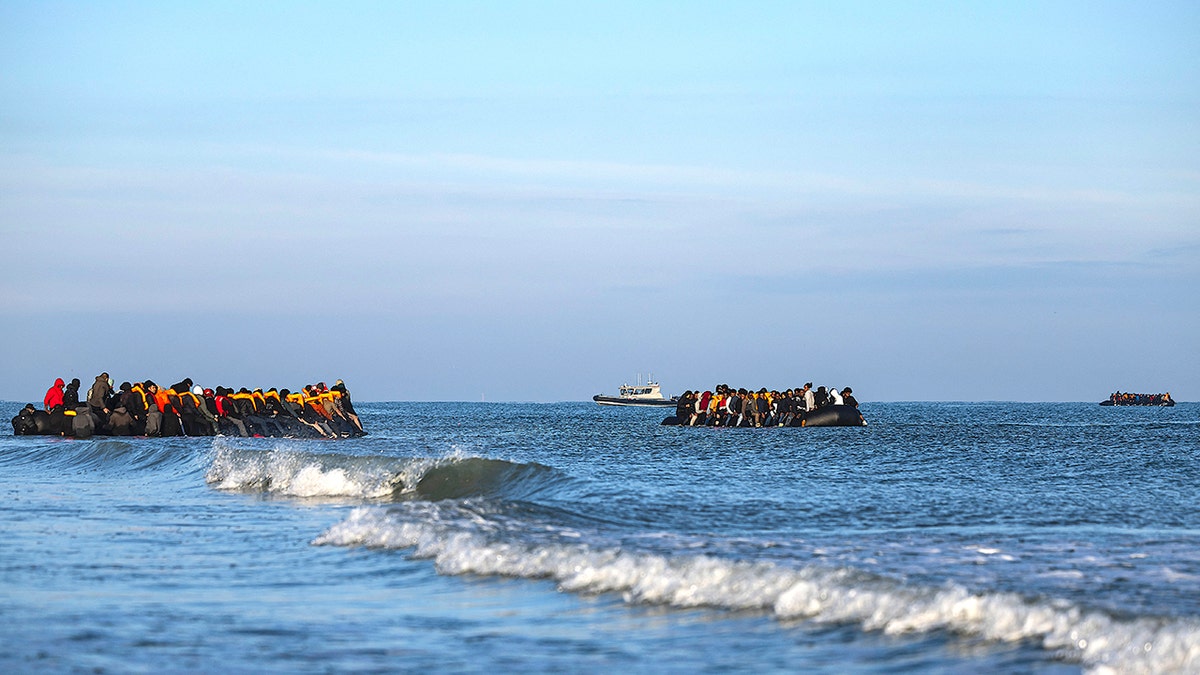
Illegal migrants try to board smugglers’ boats in an attempt to cross the English Channel off the beach of Gravelines, northern France on Sept. 27, 2025. (Sameer Al-Doumy/AFP via Getty Images)
“It is deeply ironic that the United Nations has an entire institution, the UNESCO group of people and countries, devoted to protecting cultural heritage—yet, with their ceaseless promotion of mass migration, these globalists are actively destroying the greatest cultures and most extraordinary heritage in history,” he said. “There is no human right to illegal immigration, but there is a right to remain a sovereign nation.”
The International Organization for Migration, a U.N. agency, says it supports humane and orderly migration on the grounds that it benefits both migrants and host societies. Ries also referenced the U.N. 2030 Agenda, a global action plan adopted by member states in 2015 to address poverty and climate change.
The agenda is built around 17 sustainable development goals.
“They view mass migration as a way to achieve some… all of those 17 goals of sustainable development. But it’s certainly not sustainable for the nation-states that are being overrun,” Ries said.
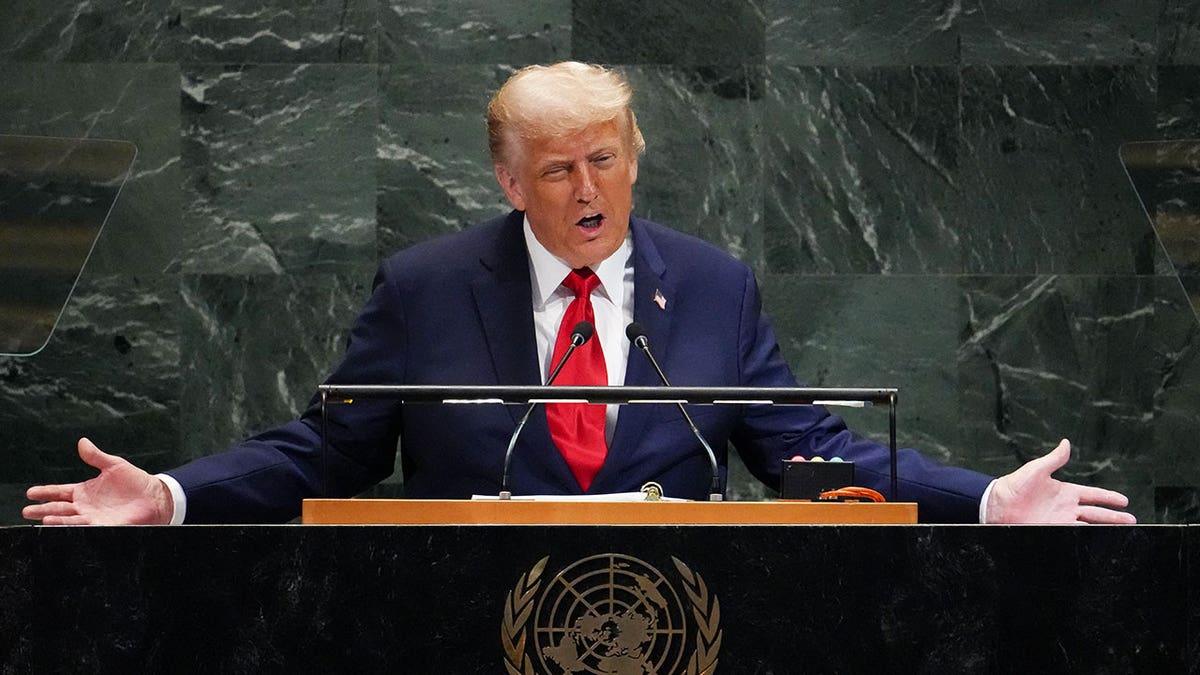
President Donald Trump delivers remarks to the United Nations General Assembly at the UN headquarters in New York City on Sept. 23, 2025. (Timothy A. Clary/AFP via Getty Images)
The asylum system is another major point of contention in the broader mass migration debate. Critics argue that the process is vulnerable to abuse, enabling people without valid claims to enter countries and undermining the meaning of asylum and refugee protections.
“We need to get back to the original objective grounds for persecution, which is it has to be a government actor persecuting you on account of your race, your religion, your nationality, or political opinion,” Ries said. “And really get the meaning of persecution back into a box, because right now it is so watered down.”
“Good for President Trump for calling this out on this world stage,” she added. “We need other leaders to do the same. It takes a lot of political courage, a lot of political will, and the ability to say no to this global funding and these major donors that are involved in this racket.”
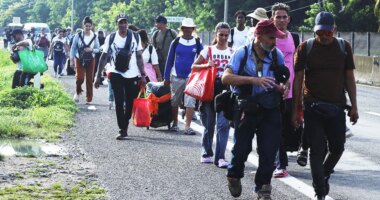
On Monday, a migrant caravan that began last week in Honduras crossed into Mexico as hundreds head north toward the U.S.-Mexico border.
“Migrants considering making the dangerous journey to our country should also be aware that the days of ‘catch and release’ are over, and Biden’s disastrous open border policy has been SEALED SHUT,” the Department of Homeland Security said in response.